Why are so many homes vacant in Greece?
According to a study by the Institute of Economic and Business Research (IOBE), a striking statistic defines the Greek landscape: one in every three homes is currently vacant. For those searching for a place to live and calculating how much of their salary will be consumed by rent, this number seems paradoxical. If there is such a massive surplus of empty housing, why does the search for affordable shelter remain so difficult?
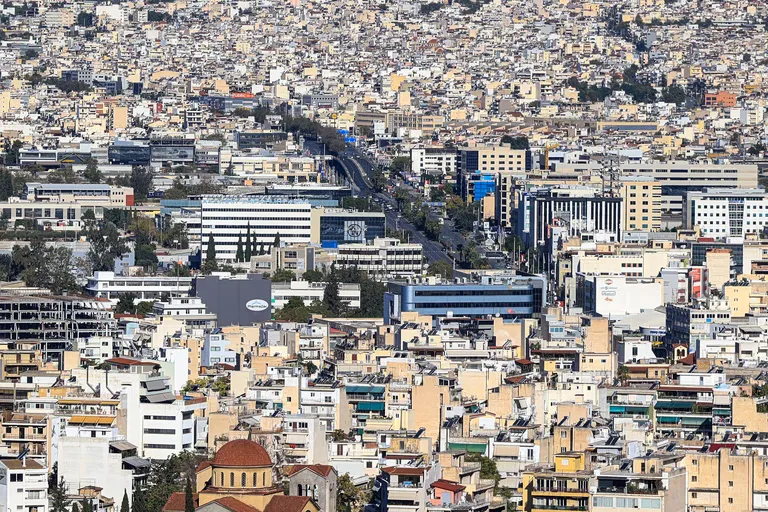
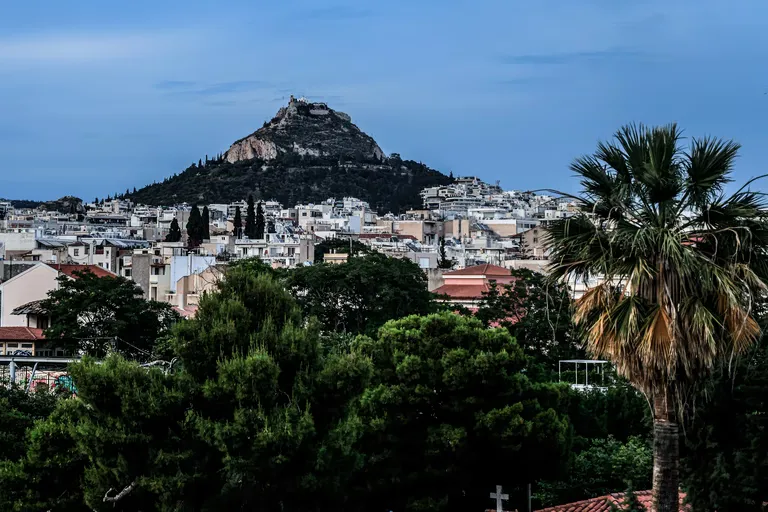
The answer lies in the distribution of these properties. The IOBE study reveals that many of these vacant homes are situated in areas with low demand, such as rural regions or locations primarily intended for secondary or vacation use. These properties contribute to the national stock of vacant dwellings but do not serve the immediate needs of the active workforce. In contrast, urban centers like Athens, where the demand for housing is most intense, actually report the lowest percentage of vacant homes in the country. This geographic mismatch is a fundamental driver of the current crisis.
How does the location of vacant homes affect the housing market?
The core issue is that an empty house in a region with limited demand does not solve the problem of a worker needing a home near their job in the capital. The IOBE highlights that the 'idle stock' of housing is often concentrated exactly where the need is smallest. Meanwhile, the concentration of economic activity in Attica creates a massive gravitational pull for housing demand.
This mismatch means that the national vacancy rate is a misleading indicator of housing availability. While the total number of empty buildings might look high on paper, they are functionally unavailable to the people who need them most. This creates a scenario where supply is physically present in the country but economically and geographically out of reach for the urban population, driving up competition in the few areas where people actually live and work.
The impact of economic concentration and changing demographics
The concentration of economic activity in the Attica region further intensifies the pressure on the local housing market. As jobs and services cluster in the metropolitan area, the demand for residential space follows, creating a localized shortage that the national statistics fail to capture. This is compounded by a significant demographic shift: the average size of Greek households is decreasing.
As households become smaller, the demand for housing shifts toward a need for more, albeit smaller, residential units. This means that even if the total number of dwellings remains stable, the specific type of housing required by the population is in short supply. The current stock may not align with the modern requirement for smaller, more efficient living spaces, adding another layer of complexity to an already strained market.
What other factors contribute to the housing shortage?
Beyond the issue of location, the IOBE report identifies several other critical factors that restrict the available housing supply. First, there is the impact of short-term rentals, which divert properties away from the long-term residential market. Second, the market is burdened by hundreds of thousands of properties tied up in legal or financial limbo. These include assets that are part of the legacy of 'bad loans' and remain in various stages of regulation or auction processes.
These categories—short-term rentals and properties in legal/financial transition—do not technically count as 'vacant homes' in the same way as an abandoned house, but they serve a similar function in terms of availability: they are not immediately accessible to households looking for permanent residency. Together, these factors create a market where a significant portion of the total housing stock is effectively locked away from the traditional rental and purchase market.
How is the construction sector responding?
While the construction sector is showing signs of recovery following the deep slump of the economic crisis, it is not yet performing at levels required to meet demand. The IOBE notes that investment in housing as a percentage of GDP has not yet reached the European average. This slow recovery is hampered by several macroeconomic headwinds.
The rising costs of construction materials, energy, and financing have made it increasingly difficult to add new homes to the market. These rising costs do more than just slow down building; they directly increase the final cost of the homes that are completed, further reducing affordability for the average citizen. Consequently, the expansion of the housing supply is struggling to keep pace with the evolving needs of the population.
The role of financing and international demand
The shortage of supply is met by a significant difficulty in financing the housing market. The IOBE provides a stark comparison regarding mortgage availability: in 2025, new mortgage disbursements were approximately €2.1 billion, a massive drop from the roughly €15 billion seen in 2007. While the rise in interest rates between 2022 and 2024 contributed to this slowdown, the report suggests that interest rates alone cannot explain such a profound decline in lending.
Simultaneously, the market is being influenced by international demand, which has supported rising property prices since 2018, partly through mechanisms like the Golden Visa. This creates a dual pressure: Greek households face limited access to mortgage credit, while they must compete in a market where prices are being pushed upward by foreign investment. This combination of low domestic purchasing power and high international demand creates a significant barrier to homeownership for local residents.
What solutions are being proposed?
To address these systemic issues, the IOBE suggests several strategic interventions. One primary goal is the repatriation of closed or underused homes back into the long-term rental market. To achieve this, the report advocates for renovation subsidies and tax incentives designed to encourage owners to offer their properties for long-term use rather than leaving them empty or using them solely for short-term stays.
However, the analysis warns that simply increasing the purchasing power of buyers through programs like 'Spiti mou' (My Home) may not be a silver bullet. Without a corresponding increase in supply, such programs risk being absorbed by rising prices, as more buyers compete for a still-limited number of homes. Therefore, the IOBE emphasizes that while incentives for existing stock are necessary, they must be accompanied by a genuine increase in new construction to achieve long-term stability.
FAQ: Vacant Homes and Housing Market in Greece
Why are many homes in Greece vacant?
Many homes are vacant due to their location in areas with low demand, such as rural or vacation regions, rather than in high-demand urban centers like Athens.
How does this affect housing availability?
The mismatch in location versus demand means that vacant homes in peripheral areas do not alleviate the housing shortage in urban centers where the demand for permanent residency is highest.
What role do short-term rentals play?
Short-term rentals reduce the availability of long-term housing, further limiting the supply for those seeking permanent residences and contributing to the scarcity in urban areas.
Are there financial barriers to new construction?
Yes, the high costs of materials, energy, and financing act as significant barriers to new construction, slowing the expansion of the housing supply.
What solutions are proposed to address the issue?
Proposed solutions include renovation subsidies, tax incentives for long-term rentals, and the need for increased new construction to ensure supply meets demand.
Key takeaways
- One in three homes in Greece is vacant, but much of this stock is in low-demand or vacation areas.
- A geographic mismatch exists between where houses are empty and where people need to live.
- Short-term rentals and properties tied to legal/financial disputes further restrict the available supply.
- The construction sector is recovering but remains below European averages due to high costs.
- Financing for Greek households has dropped significantly compared to pre-crisis levels.
- Policy interventions must balance buyer support with actual supply increases to avoid driving prices higher.