What is the current average pension in Greece?
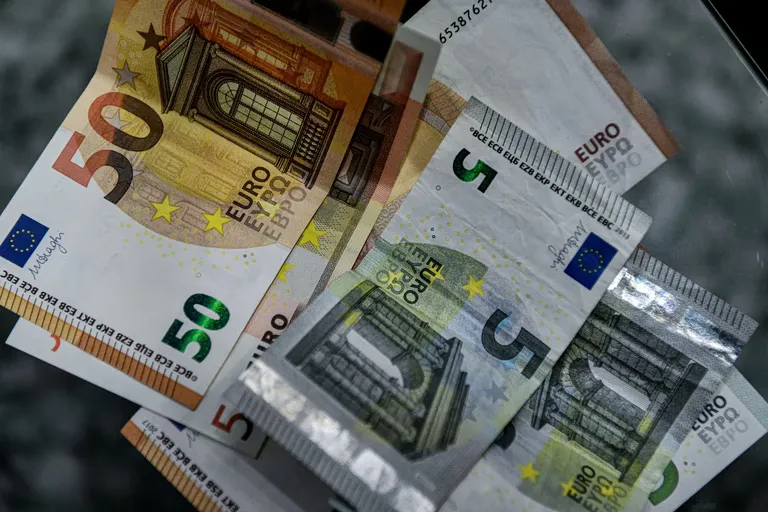
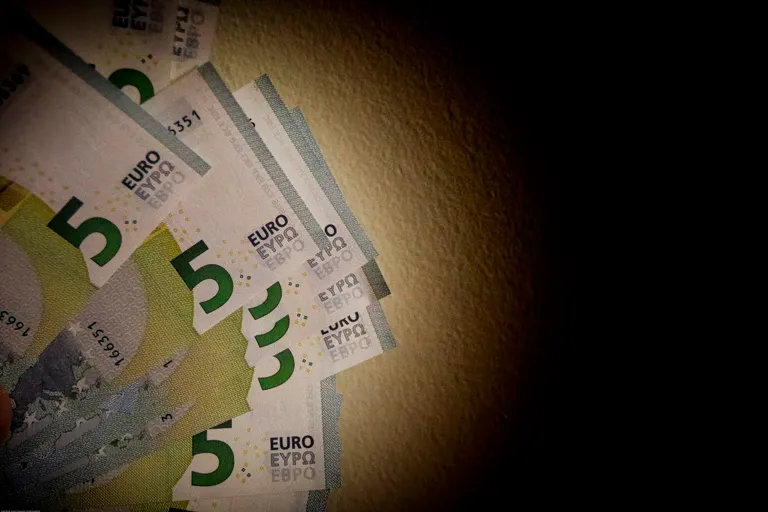
The average pension in Greece, as of September 2026, stands at €869.17 gross. This figure is derived from data provided by the HELIOS system, which monitors pension statistics across the country. The data reveals that a significant portion of retirees, 53.6%, receive pensions below €1,000, highlighting the financial challenges faced by many elderly citizens.
How are pension amounts distributed among Greek retirees?
The distribution of pension amounts among Greek retirees shows significant variation. Approximately 34.7% of retirees receive monthly pensions up to €700, while 16.2% receive up to €500. These figures indicate a substantial portion of the population living on limited retirement income, which can impact their quality of life and financial stability.
What factors contribute to the low pension amounts?
Several factors contribute to the low pension amounts in Greece. The calculation of pensions in the private sector, which often includes periods of low wages, part-time employment, and unemployment, results in pensions that are nearly 36% lower than those in the public sector. Additionally, the economic challenges and austerity measures of recent years have further constrained pension growth.
Impact of economic conditions on pensions
The Greek economy has faced significant challenges over the past decade, including austerity measures and economic restructuring. These factors have directly impacted pension calculations and the overall financial well-being of retirees. The economic environment has necessitated reforms that often result in reduced pension benefits.
What is the age distribution of Greek retirees?
The age distribution of Greek retirees shows that 91.76% are over the age of 60, while only 4.6% are under 55, including widows, orphans, and individuals with disabilities. This demographic data underscores the aging population in Greece and the increasing demand on the pension system to support a growing number of elderly citizens.
How are new pension applications trending?
New pension applications in Greece have reached a high level, with 20,100 applications recorded in September 2026 alone. The total number of applications from January to September 2026 is 164,434, and it is projected that this number could exceed 200,000 by the end of the year. This trend reflects the ongoing demand for retirement benefits and the pressures on the pension system.
When are pensions paid in Greece?
Pensions in Greece are typically paid at the end of each month. For November 2026, payments will begin on October 23 due to the national holiday on October 28. The payment schedule includes both main and supplementary pensions, with funds available in bank accounts by the evening before the official payment date.
Frequently asked questions
What is the average pension in Greece?
The average pension in Greece is €869.17 gross as of September 2026, according to the HELIOS system.
How many retirees receive less than €1,000?
Approximately 53.6% of Greek retirees receive pensions below €1,000 gross.
Why are private sector pensions lower?
Private sector pensions are lower due to factors like low wages, part-time work, and unemployment periods affecting pension calculations.
When are pensions paid in Greece?
Pensions are typically paid at the end of each month, with funds available in bank accounts by the evening before the payment date.
What is the trend in new pension applications?
New pension applications are increasing, with projections suggesting over 200,000 applications by the end of 2026.
Key takeaways
- The average pension in Greece is €869.17 gross as of September 2026.
- Over 53% of retirees receive pensions below €1,000 gross.
- Private sector pensions are significantly lower than public sector pensions.
- New pension applications are projected to exceed 200,000 by the end of 2026.
- Pensions are paid at the end of each month, with adjustments for holidays.
Conclusion
The current state of pensions in Greece highlights significant economic challenges and disparities in retirement income. With a large portion of retirees receiving less than €1,000, the financial stability of many elderly citizens is at risk. The ongoing trend of high pension applications underscores the pressure on the system, necessitating reforms and adjustments to ensure sustainable support for future retirees.