What is causing the Greek railway strike 2026?
The primary drivers for the current industrial action are severe understaffing and significant shortages in specialized personnel roles within the rail network. According to the Panhellenic Federation of Railway Workers (POS), the current operational state of the Greek railway system is increasingly precarious due to these human resource deficits.
The unions have identified several critical areas that require immediate intervention from both the private operator and the state. These include:
- Operational Safety: Concerns regarding the ability to maintain safe traffic circulation under current staffing levels.
- Infrastructure and Rolling Stock: The urgent need for increased maintenance and the modernization of both tracks and train carriages.
- Workforce Management: Better handling of employee needs and the provision of continuous training.
- Resource Allocation: Addressing the growing gap between the required technical expertise and the actual personnel available on the ground.
The unions argue that the health and safety of both employees and the traveling public are non-negotiable priorities that cannot be guaranteed without adequate staffing and modernized infrastructure. Consequently, they are demanding an immediate meeting with the political leadership of the Ministry of Transport, alongside the management of Hellenic Train, to negotiate a path forward.
How did the legal dispute impact the strike's legitimacy?
A significant legal conflict has emerged between the railway unions and Hellenic Train, centering on the legality of the industrial action. The current 24-hour strike follows a previous attempt by the Panhellenic Association of Attraction Personnel (PEPE) that was declared unlawful by the judicial system.
The Piraeus Court of First Instance ruled that the initial mobilization by PEPE was illegal because it failed to adhere to the mandatory legal procedures regarding safety staffing and the specific nature of the mobilization's demands. This ruling has become the focal point of a heated debate regarding the right to strike versus the obligation to maintain essential services.
The position of Hellenic Train regarding judicial rulings
Hellenic Train has taken a firm stance against the recent industrial actions, arguing that they represent an attempt to bypass judicial decisions. According to an announcement from the company, the court's decision explicitly prohibited future strikes involving the same subject matter. The company contends that the current mobilization by the Federation is a direct attempt to circumvent this ruling, thereby causing unnecessary disruption to railway operations and significant hardship for passengers.
The operator further asserts that such practices undermine the institutional role of the judiciary. By proceeding with strikes that have been legally contested, Hellenic Train argues that the unions are prioritizing industrial tactics over the smooth functioning of the transport network and the welfare of the public. The company has stated that it leaves the judgment of these union practices to the passengers themselves, suggesting that the choice to strike despite legal warnings shows a disregard for commuter convenience.
What are the specific demands of the railway unions?
The railway unions, particularly PEPE and the broader POS, are focusing their demands on long-term structural improvements rather than just immediate wage increases. Their platform is built on the premise that the current state of the Greek rail network is unsustainable without systemic changes.
The demands are categorized into several key pillars of railway management:
- Personnel Recruitment: An immediate end to the understaffing in critical technical and operational roles.
- Safety Protocols: Ensuring that traffic circulation safety is not compromised by a lack of qualified personnel.
- Modernization: A commitment to the continuous modernization of rolling stock and technical facilities to meet European standards.
- Political Engagement: Direct dialogue with the Ministry of Transport to ensure that labor issues are integrated into the national transport strategy.
By supporting PEPE, the Panhellenic Federation of Railway Workers (POS) is attempting to create a unified front. Even though their own previous mobilization was declared illegal, they maintain that the underlying issues—safety, staffing, and equipment—remain unresolved and require urgent attention through official political channels.
What is the impact on commuters and the transport network?
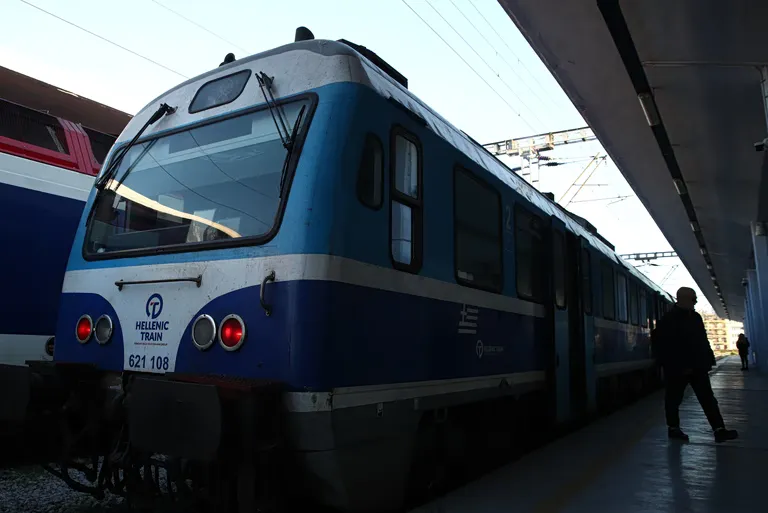
The 24-hour strike has resulted in the total immobilization of both national train services and the suburban rail network. For commuters, this means a complete disruption of daily travel patterns, particularly for those who rely on the suburban lines for access to major urban centers like Athens and Piraeus.
The disruption extends beyond mere delays. The conflict between the unions and the operator creates a climate of uncertainty for passengers. While the unions argue that the strike is a necessary tool to ensure long-term safety, the operator highlights the immediate "hardship and inconvenience" caused to the traveling public. This tension places the passenger in the middle of a complex struggle between labor rights and service continuity.
The scale of the disruption is significant, as the railway serves as a vital artery for both passenger transit and potentially freight, although the current focus of the strike is heavily weighted toward the operational personnel and passenger services. The inability to guarantee regular schedules makes it difficult for businesses and individuals to plan movements, further compounding the economic and social friction caused by the industrial action.
Frequently asked questions
Why was the previous strike declared illegal?
The Piraeus Court of First Instance ruled the previous mobilization illegal because it did not follow the required legal procedures. Specifically, the court found that the strike did not properly address safety staffing requirements and failed to meet the formal criteria for a lawful industrial action.
What is the main goal of the Panhellenic Federation of Railway Workers?
The Federation aims to secure better working conditions, address severe understaffing in critical roles, and demand the modernization of railway infrastructure and rolling stock to ensure the safety of both workers and passengers.
How does Hellenic Train view the current strike?
Hellenic Train views the strike as an attempt to bypass judicial rulings. The company argues that these actions undermine the judiciary, disrupt essential services, and cause unnecessary hardship for passengers through illegal industrial tactics.
Who are the key parties involved in this dispute?
The dispute involves the railway unions (PEPE and POS), the private operator Hellenic Train, and the Greek Ministry of Transport, which the unions are calling upon to intervene and mediate.
Will the strike affect suburban trains?
Yes, the 24-hour strike includes both the national railway network and the suburban train services, meaning that commuters using these lines for daily travel will face significant disruptions.
Key takeaways
- The 24-hour strike on October 30, 2026, affects both national and suburban trains.
- Unions cite severe understaffing and safety concerns as the primary reasons for industrial action.
- Hellenic Train has challenged the strike, citing a court ruling that declared previous actions illegal.
- The Panhellenic Federation of Railway Workers is demanding meetings with the Ministry of Transport.
Conclusion
The Greek railway strike of October 2026 highlights a deep-seated conflict between labor organizations and the private operator regarding the safety and management of the nation's rail network. While the unions argue that industrial action is the only way to force necessary investments in staffing and infrastructure, Hellenic Train maintains that these strikes are legally unfounded and detrimental to the public. As the dispute moves into the political sphere with calls for Ministry intervention, the immediate consequence remains a significant disruption to the movement of passengers across the country.