Why were the student parades cancelled in Magnesia and the Sporades?
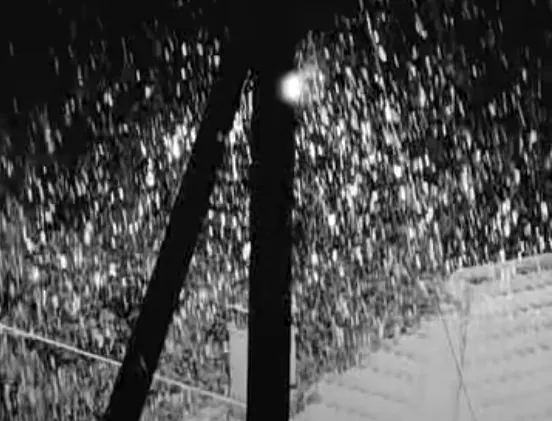
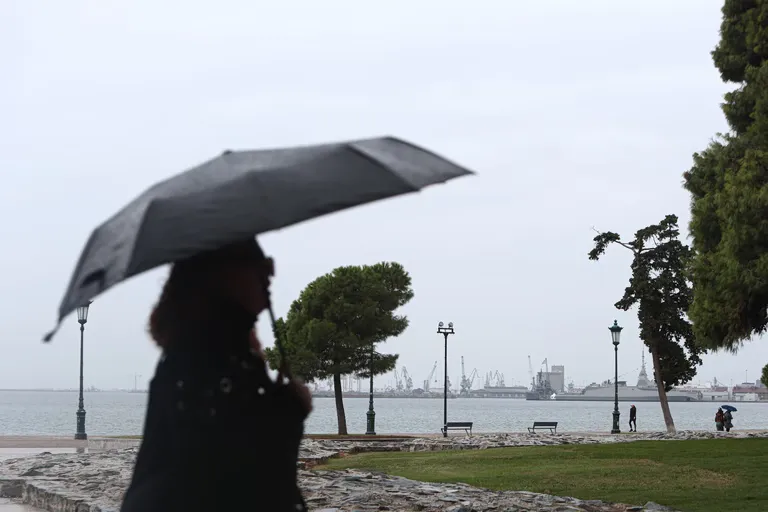
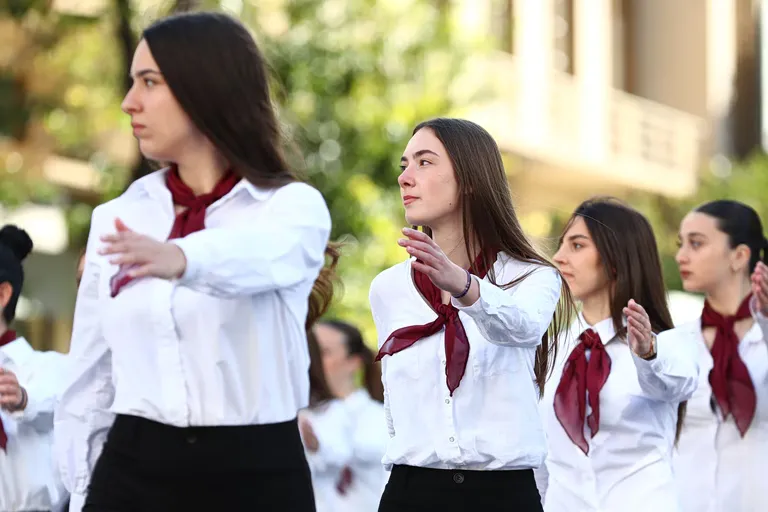
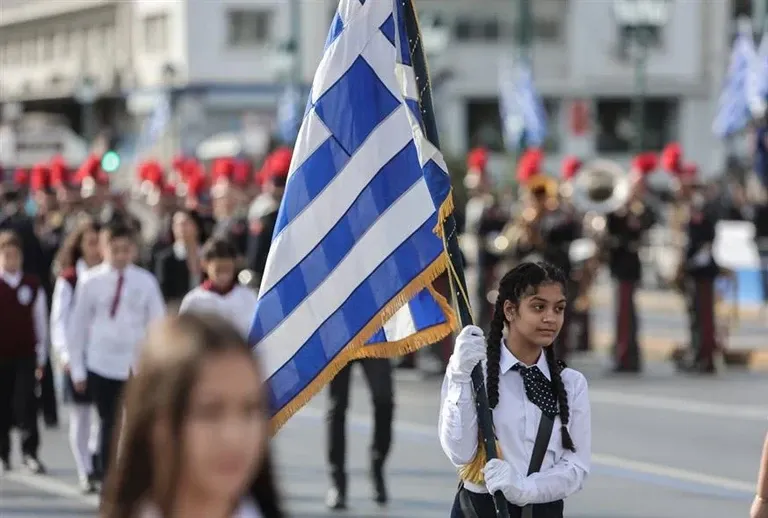
The cancellation of student parades in Magnesia and the Northern Sporades was mandated by the Thessaly Regional Governor to prevent potential risks to life and physical safety. According to the official decision posted on the Diavgeia transparency portal, the primary driver for this measure is the forecast of dangerous weather phenomena expected to hit these specific regions on October 28, 2026.
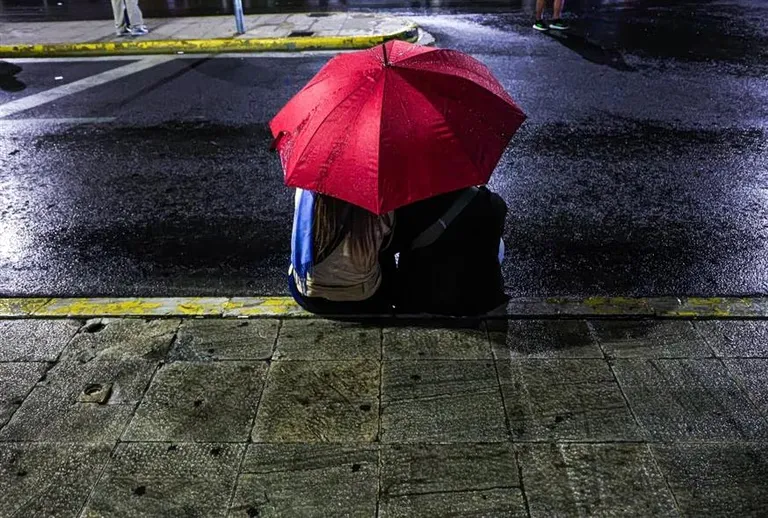
The regional authority emphasized that the safety of both the students participating in the marches and the general public attending the ceremonies is the paramount concern. By preemptively cancelling these outdoor processions, the administration seeks to avoid accidents related to heavy precipitation, high winds, or other extreme meteorological conditions that often accompany autumn storms in the Aegean and Thessaly regions.
Administrative coordination and safety protocols
To ensure the decision reaches all necessary parties, the Independent Civil Protection Directorate of the Thessaly Region has been tasked with immediate communication. This coordination involves several key stakeholders:
- Local Education Directorates to notify schools directly.
- Municipalities to manage local logistics and public announcements.
- Police authorities to manage public order and road safety.
- Parents and students to ensure individual awareness of the cancellation.
This multi-layered communication strategy is designed to prevent confusion and ensure that no school units attempt to proceed with planned marches under hazardous conditions.
What is the impact on other October 28th celebrations?
The current decision specifically targets student-led parades, leaving other types of commemorative events in a state of conditional planning. While the student processions are officially cancelled, the status of other religious, civic, or cultural ceremonies has not been uniformly determined for the entire region.
According to the regional decree, the execution of remaining anniversary events will be decided by the relevant competent authorities on a case-by-case basis. These authorities will evaluate the specific risks associated with each venue and the nature of the planned activity. For instance, an indoor ceremony may proceed under different guidelines than an outdoor monument unveiling. This localized approach allows for flexibility while maintaining a high standard of public safety during the national holiday.
How does the weather affect the military component of the parades?
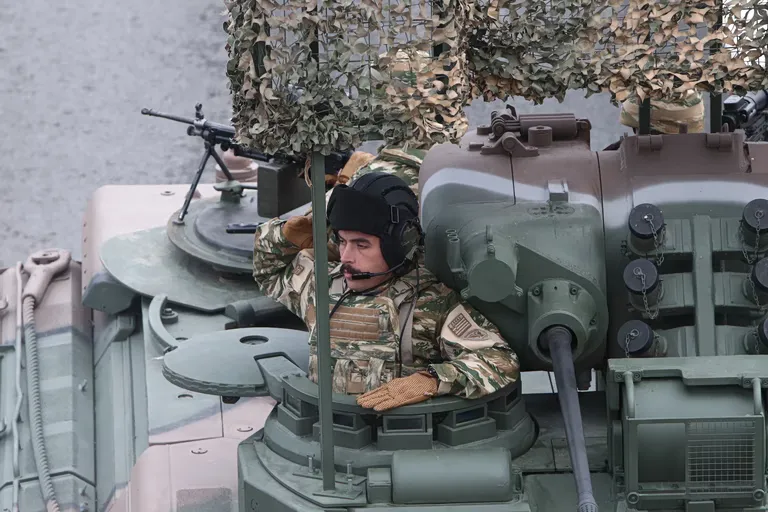
The military component of the celebrations, particularly the significant parade scheduled for Volos, remains under evaluation as of Wednesday morning. Unlike the student parades, which were cancelled preemptively, the decision regarding military marches is being held until the actual weather progression is clearer.
Reports from the news agency ΑΠΕ indicate that authorities are closely monitoring the situation to determine if the military personnel and equipment can safely participate in the Volos ceremonies. A final determination is expected to be reached later on Wednesday, depending on whether the storm intensity stays within manageable limits or escalates to a level that threatens the safety of the troops and the public.
Which Greek regions are facing the most severe weather risks?
Severe weather, characterized by heavy rain and intense storms, is expected to impact large portions of the country, with central and southern Greece being particularly vulnerable. Experts from the Risk Assessment Committee have identified several high-risk zones where weather phenomena may be locally intense.
The following regions have been identified as areas facing significant meteorological challenges during this period:
| Region Type | Affected Areas |
|---|---|
| Aegean Islands | Evia, Sporades, Cyclades, Dodecanese, Skyros, Eastern Aegean |
| Mainland Greece | Magnesia, Larissa, Phthiotis, Boeotia, Attica |
The intensity of these storms is expected to be particularly high on Wednesday, October 28, 2026. The combination of coastal exposure in the islands and the topographical features of the mainland can lead to rapid changes in weather severity, necessitating constant monitoring by Civil Protection services across these diverse administrative zones.
FAQ: Student parades and weather alerts
Why were the parades in Magnesia cancelled?
The parades were cancelled by the Thessaly Regional Governor to protect the lives and physical integrity of students and spectators. The decision was prompted by forecasts of dangerous weather phenomena expected to strike the Magnesia and Northern Sporades regions during the October 28th commemorations.
Will all October 28th events be cancelled?
No, the current decision applies exclusively to student parades. Other commemorative events will be managed by their respective competent authorities, who will decide whether to proceed based on the specific weather conditions and the nature of each individual event.
When will the decision for the Volos military parade be made?
The decision regarding the military portion of the parade in Volos is expected to be announced on Wednesday. This decision depends on the real-time evolution of the weather conditions and the assessments made by local authorities and risk experts.
Which areas are most affected by the storm?
The storm is expected to be particularly strong in central and southern Greece. Key affected areas include Magnesia, the Sporades, Evia, Larissa, Phthiotis, Boeotia, Attica, the Cyclades, the Dodecanese, Skyros, and the Eastern Aegean.
Who is responsible for informing schools about the cancellation?
The Independent Civil Protection Directorate of the Thessaly Region is responsible for informing the Education Directorates, municipalities, and police. These bodies then ensure that schools, students, and parents are notified in a timely manner to prevent any participation in the cancelled events.
Key takeaways
- Student parades in Magnesia and Sporades are cancelled for October 28th.
- The decision aims to ensure the safety of participants and spectators.
- Military parade decisions in Volos are pending further weather updates.
- Severe storms are expected across much of central and southern Greece.
- Other commemorative events will be decided on a case-by-case basis.
Conclusion
The cancellation of student parades in Magnesia and the Northern Sporades highlights the priority of public safety in the face of increasingly unpredictable weather patterns. By acting on the warnings provided by the Risk Assessment Committee, the Thessaly regional administration has mitigated the risks associated with the October 28th celebrations. While the military parade in Volos and other civic events await final confirmation, the current focus remains on monitoring the intense storm systems moving through the Aegean and mainland Greece. This proactive approach ensures that the national commemorations do not compromise the well-being of the citizens and students involved.