What is the Hip Resurfacing Anterior Approach (HRAA)?
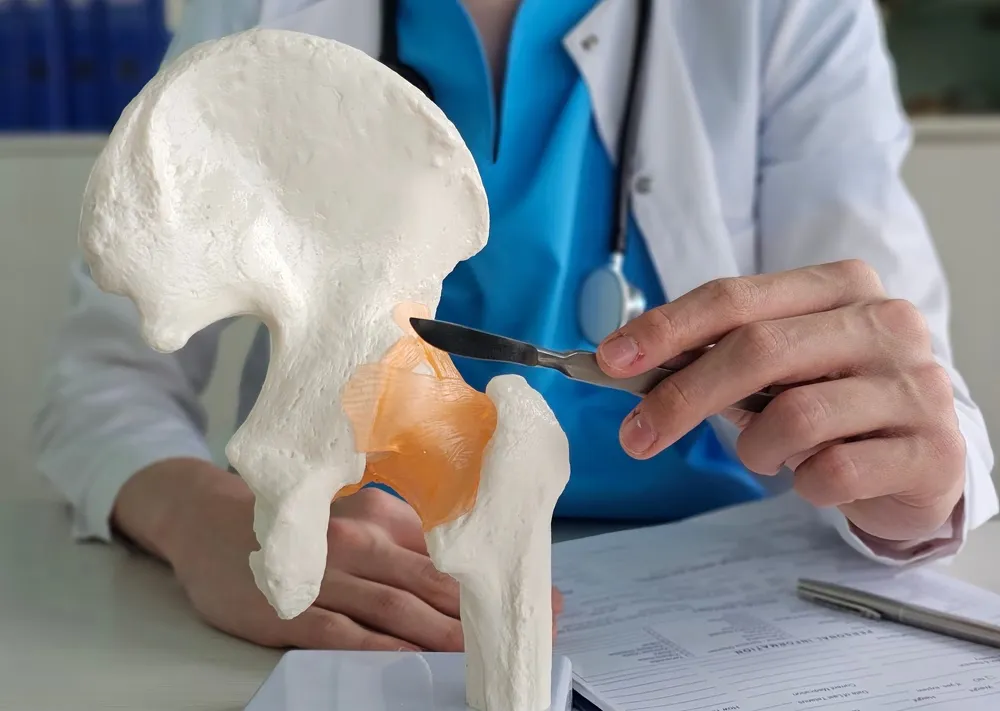
The Hip Resurfacing Anterior Approach (HRAA) is a specialized surgical technique designed to treat advanced hip osteoarthritis while maintaining the natural structure of the patient's femur. Unlike traditional total hip arthroplasty, which requires the complete removal of the femoral head, HRAA focuses on a 'bone-preserving' philosophy.
In this procedure, the surgeon applies a cutting-edge ceramic shell over the existing femoral head. This shell then articulates with a corresponding ceramic insert placed within the acetabulum (the hip socket). This 'ceramic on ceramic' method aims to replicate the natural movement of the hip joint more closely than older implant technologies.
The introduction of this specific HRAA ceramic on ceramic method in Greece in June 2026 marks a transition toward more specialized orthopedic care. While total hip replacements have long utilized robotic and minimally invasive techniques, HRAA offers a distinct mechanical approach by prioritizing the preservation of existing bone stock.
How does ceramic technology improve hip resurfacing?
Ceramic technology addresses the primary failures observed in previous generations of hip resurfacing implants, specifically the issues associated with metal-on-metal interfaces. Older resurfacing methods often faced complications due to the release of metal ions into the bloodstream, a problem that the new ceramic-on-ceramic HRAA technique effectively eliminates.
The advantages of using advanced ceramic materials include:
- Zero Wear Rate: The new ceramic material is engineered to have a near-zero wear rate, ensuring the longevity of the implant.
- Biocompatibility: By utilizing ceramic instead of metal, the risk of adverse reactions to metal ions is removed.
- Low Profile: The ceramic shell provides a much lower profile than older titanium stem alternatives, which helps in maintaining the anatomical integrity of the bone.
Because the ceramic components are highly durable and resistant to friction, they are particularly suited for patients who require a high level of physical activity. This technological shift has already been established in specialized medical centers in the United Kingdom and Belgium for approximately seven years, where it has largely replaced older metal-based resurfacing implants.
Who are the ideal candidates for HRAA?
The HRAA technique is specifically indicated for active individuals who wish to maintain a high level of physical function. Because the procedure preserves more bone and offers a more natural range of motion, it is highly recommended for patients who are not yet at an age where traditional total hip replacement is the standard of care.
Patient Profiles and Suitability
Clinical application of this technique generally targets a specific demographic to ensure the best surgical outcomes. Based on the implementation at Metropolitan General, the following profiles are considered:
- Age Group: Typically patients between 40 and 65 years of age.
- Activity Level: Highly active men and women, including those involved in regular sports or strenuous physical activities.
- Condition: Patients suffering from advanced osteoarthritis who still possess sufficient bone density.
However, the procedure is not a universal solution for all types of hip pathology. There are specific contraindications that surgeons must evaluate before proceeding with HRAA.
Contraindications and Limitations
Not all patients with hip pain are candidates for resurfacing. The procedure is generally not recommended for the following groups:
- Osteoporosis Patients: Those with advanced osteoporosis may lack the bone density required to support the ceramic shell.
- Dysplastic Hips: Patients with severe hip dysplasia (structural abnormalities of the hip joint) are typically better suited for total hip arthroplasty.
What are the clinical benefits of this technique?
Patients undergoing HRAA can expect several clinical advantages ranging from immediate post-operative recovery to long-term joint stability. One of the most significant benefits is the preservation of bone stock, which is critical for the future of the patient.
The primary clinical advantages include:
- Bone Preservation: By keeping the femoral head intact, the technique leaves more bone available for the patient should they ever require a revision surgery in the future.
- Natural Movement: The hip's range of motion and functionality remain very close to physiological norms.
- Reduced Dislocation Risk: HRAA presents a lower risk of dislocation compared to traditional total hip arthroplasty.
- Fast-Track Recovery: The use of minimally invasive techniques, such as the anterior approach, allows for rapid mobilization.
Recovery protocols are designed to get patients moving as quickly as possible. Most patients can expect a hospital stay of only one to two days, following specialized fast-track mobilization protocols. This rapid recovery is a direct result of the minimally invasive anterior approach, which minimizes trauma to the surrounding soft tissues and muscles.
FAQ: Hip Resurfacing Anterior Approach
What is the main difference between HRAA and total hip replacement?
The primary difference lies in the treatment of the femoral head. Total hip replacement involves removing the entire femoral head, whereas HRAA is a bone-preserving technique that covers the existing femoral head with a ceramic shell to allow it to articulate with the socket.
Is HRAA suitable for elderly patients?
HRAA is primarily designed for younger, more active patients, typically between the ages of 40 and 65. For much older patients, traditional total hip arthroplasty is usually preferred, especially if bone density is a concern due to osteoporosis.
How long is the recovery period for HRAA?
Recovery is generally very fast due to the minimally invasive anterior approach and fast-track protocols. Most patients are able to leave the hospital within one to two days and can begin mobilization almost immediately after the procedure.
Does HRAA carry a risk of metal poisoning?
No, the HRAA ceramic on ceramic technique eliminates the risks associated with metal-on-metal resurfacing. Because the articulating surfaces are made of advanced ceramic, there is no release of metal ions into the body, solving a major issue found in older technologies.
Can I return to sports after HRAA?
Yes, HRAA is specifically indicated for active individuals and those involved in sports. Because the technique preserves more natural anatomy and offers a lower risk of dislocation, it is an excellent option for maintaining a high level of physical activity.
Key takeaways
- HRAA is a bone-preserving technique that covers the femoral head with a ceramic shell.
- The ceramic on ceramic method eliminates the risk of metal ion release found in older implants.
- The procedure is ideal for active patients aged 40 to 65 with advanced osteoarthritis.
- Patients typically experience a rapid recovery with hospital stays of only 1-2 days.
- The technique offers a lower risk of dislocation compared to total hip replacement.
Conclusion
The introduction of the Hip Resurfacing Anterior Approach (HRAA) with ceramic on ceramic technology represents a significant milestone in orthopedic surgery. By prioritizing bone preservation and utilizing highly durable, biocompatible materials, this technique offers a superior alternative for younger, active patients facing hip osteoarthritis. While it requires high surgical specialization, the benefits—including natural joint movement, reduced dislocation risk, and faster recovery—provide a promising outlook for maintaining long-term mobility and quality of life in a demographic that demands high physical functionality.