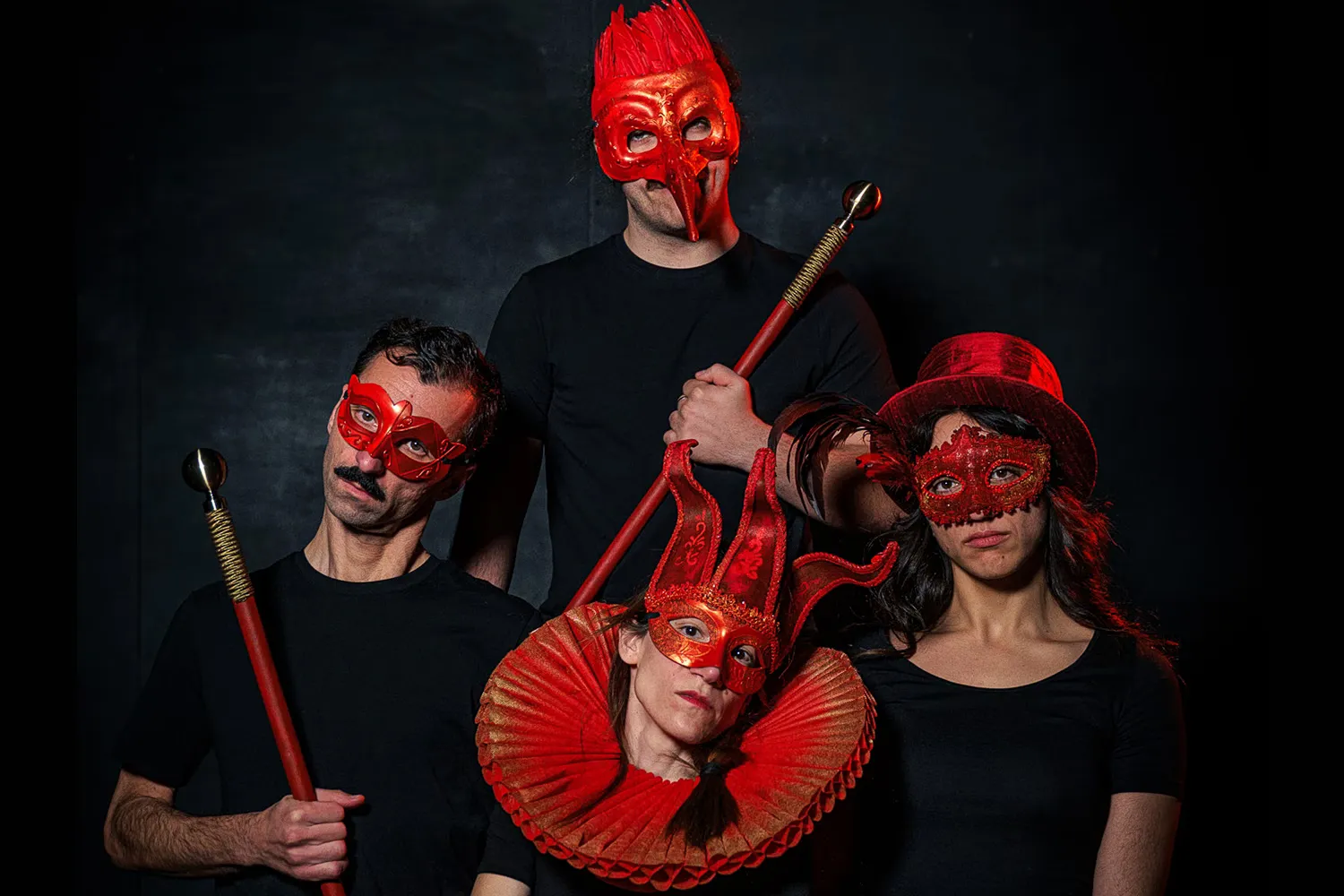
A return to the stage for Contratiempo
The Contratiempo theatre troupe is officially returning to Theatre 104 for a second season of William Shakespeare's legendary work, "The Merchant of Venice." This comeback follows the group's successful performance run during the previous year, proving the enduring appeal of their theatrical approach. The new season of performances commenced on Saturday, October 10, 2026, marking a significant cultural event for local theater enthusiasts.
Audiences can catch the production during a limited number of scheduled shows. The performances are held on Saturdays at 21:15 and Sundays at 18:00. Because the run is limited, the production is expected to draw significant interest from those looking to experience one of the world's most intricate dramatic repertoires. The troupe aims to recreate the magic that defined their initial success while maintaining the sharp, biting edge that Shakespeare intended.
Thematic depth: Justice, morality, and power
Shakespeare's masterpiece functions as a dark comedy that illuminates the sharp edges of human ambition and social dynamics. The play is widely recognized as one of the most charming yet complicated works in the global theatrical canon. It serves as a lens through which audiences can examine critical themes such as ethics, love, authority, and the mechanisms of social exclusion.
The narrative structure weaves together a complex landscape of tension, emotion, and humor. Within this setting, the characters are pushed to their absolute limits, forced to confront the boundaries of their own humanity. By blending dramatic intensity with moments of wit, the production seeks to highlight the contradictions inherent in human nature, making the ancient text feel startlingly immediate.
Core dramatic elements
- Justice vs. Morality: The conflict between legal rights and ethical responsibilities.
- Social Exclusion: The impact of prejudice on individual and community identity.
- Human Passion: The collision of love, friendship, and the desire for revenge.
The central conflict: Antonio and Shylock
At the heart of the drama lies the turbulent and high-stakes relationship between the merchant Antonio and the Jewish moneylender Shylock. Set against the backdrop of Venice, the play depicts a world where money, reputation, and human passions collide relentlessly. This central friction drives the plot forward, creating a cycle of contracts and consequences that define the characters' fates.
The interaction between Antonio and Shylock is not merely a plot device but a profound exploration of human interaction. Their struggle represents the broader clashes of the era, where commercial interests and personal honor are inextricably linked. As the characters navigate their respective roles, the play builds a sense of impending crisis that keeps the audience engaged in the unfolding tragedy and comedy.
Timeless relevance in a modern world
The production invites contemporary audiences to reflect on how much society has truly changed. Through the central figure of Shylock, the play forces viewers to grapple with difficult questions regarding the nature of fairness and the roots of human hatred. It asks whether what is legally "just" is always inherently "moral," a question that remains a cornerstone of legal and ethical debate today.
Furthermore, the play provides a platform to discuss the position of minorities within a capitalist society dominated by specific power structures. By examining these themes, the production acts as a mirror to modern reality, addressing how economic systems and social hierarchies continue to influence human relationships. The enduring relevance of "The Merchant of Venice" lies in its ability to remain an unarmable dialogue with the present day, challenging viewers to look closely at the prejudices that still shape our world.
Frequently Asked Questions
When can I see the production at Theatre 104?
The performances are scheduled for a limited run on Saturdays at 21:15 and Sundays at 18:00. The second season began on October 10, 2026. Because the number of shows is limited, it is advisable to check availability early to ensure you can attend this specific season.
Who is performing in this version of the play?
The production is brought to the stage by the Contratiempo theatre troupe. This group is returning to Theatre 104 following a successful run last year. They are known for their interpretation of Shakespeare's works, focusing on the complexities of the characters and the intensity of the drama.
What are the main themes of the play?
The play explores several profound themes, including justice, morality, power, and social exclusion. It specifically examines the tension between legal contracts and human ethics, as well as the impact of prejudice and the role of minorities in a capitalist society, making it highly relevant to modern viewers.