
What are the security measures for the Marco Rubio Athens visit?
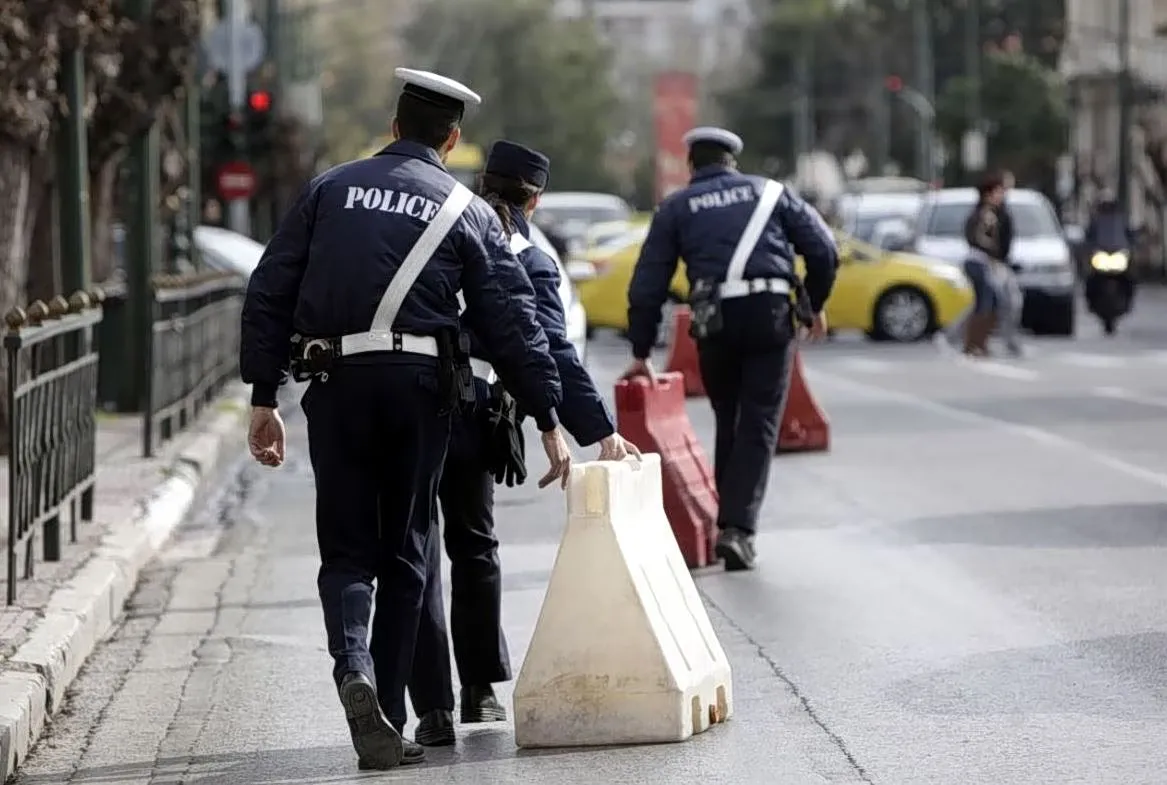
Extensive security protocols have been activated in central Athens to protect the US Secretary of State, Marco Rubio, during his official visit. The Hellenic Police (EL.AS.) has mobilized thousands of personnel from various specialized units to manage the heightened risk environment. These units include the Order Maintenance services, the Athens Police, the Security Division, and the Traffic Police.
To maintain a comprehensive surveillance perimeter, authorities are also deploying drones to provide aerial monitoring of the sensitive areas. The scale of the operation reflects the high-level diplomatic nature of the visit and the necessity of mitigating potential threats to the visiting dignitary and the surrounding urban environment. The mobilization of thousands of officers indicates a high-priority security operation designed to cover both ground-level interactions and aerial oversight.
Operational deployment and surveillance
The deployment is not limited to ground presence; the integration of unmanned aerial vehicles (drones) represents a significant technological layer in the security architecture. This allows for real-time monitoring of crowd movements and the identification of potential security breaches before they escalate. The coordination between different police branches ensures that both perimeter security and immediate response capabilities are maximized throughout the duration of the visit.
By utilizing drones, the Hellenic Police can maintain a continuous eye on the city's central corridors, providing a layer of surveillance that is difficult to achieve with ground units alone. This technological approach is intended to complement the physical presence of the specialized police units, creating a multi-dimensional security net across the targeted zones of the capital.
How will traffic be affected in central Athens?
Significant traffic restrictions are currently in effect, impacting the movement of vehicles on major arterial roads throughout the capital. According to the Hellenic Police, these measures began on the afternoon of October 6 and are scheduled to continue until the morning hours of Thursday, October 8, 2026, with the highest level of disruption occurring on Wednesday, October 7.
Temporary closures and diversions are concentrated around Syntagma Square and several key thoroughfares. Drivers are strongly advised to avoid the city center entirely during this period. The following major roads are specifically identified as subject to disruption:
- Vasilissis Sofias Avenue
- Vasileos Konstantinou Avenue
- Vasilissis Amalias Avenue
- Panepistimiou Street
- Stadiou Street
Authorities have noted that these restrictions may be expanded or lifted incrementally depending on the evolving security situation on the ground. To facilitate movement, traffic officers have been stationed at critical junctions to guide motorists through the established diversions. The Hellenic Police have explicitly requested the understanding and cooperation of drivers to prevent further compounding the existing traffic problems caused by the security presence.
Where is the public assembly ban in effect?
A formal ban on all public outdoor assemblies and motorized marches has been implemented by the Director of the Athens Police Department. This prohibition is active from 6:00 AM on Wednesday, October 7, 2026, until 6:00 AM on Thursday, October 8, 2026. The ban is designed to prevent potential disturbances that could jeopardize public safety or the success of the diplomatic mission.
The restricted zone is a defined perimeter encompassing several major streets in the central and northern parts of the city. The area is bounded by the following streets:
- Rizari, Ploutarchou, Kleomenous, Melinas Merkouri, Koniari, Anastasiou Tsokha, Vasilissis Sofias, Kaisareias, Michalakopoulou, Alkmanoi, Ionos Dragoumi, Vasilissis Alexandrou, and Ephroniou.
The police statement justifies this ban by citing a "serious risk to public safety." Authorities expressed concerns that unauthorized gatherings or marches could lead to serious crimes against life, physical integrity, and property, potentially disrupting the socio-economic life of the Athens Municipality. This broad justification highlights the preventative nature of the measures, aiming to mitigate risks before they can manifest as significant security incidents.
How will public transportation respond to the disruptions?
Public transportation, particularly the Metro system, is being managed to balance security needs with the necessity of maintaining urban mobility. While some Metro stations may experience temporary closures, these are intended to be brief and strictly necessary for security sweeps or movement of the dignitary.
A notable exception has been made for the Evangelismos station. Due to its proximity to a major hospital, authorities have ensured that this station remains operational to prevent any disruption to medical services and patient access. For all other commuters, the Hellenic Police strongly recommend utilizing mass transit options rather than private vehicles to navigate the city during this period. This recommendation aims to reduce the overall volume of traffic attempting to enter the restricted central zones.
Navigating the city during the visit
Commuters should remain highly vigilant and follow the instructions of traffic regulators. The police have urged citizens to be cooperative to prevent further congestion. While the Metro remains the most reliable method of transport, travelers should monitor real-time updates, as station closures can occur with little notice during high-security windows. Following the guidance of the traffic officers stationed at key points will be essential for anyone navigating the periphery of the restricted areas.
Frequently asked questions
When do the traffic restrictions end?
The current traffic restrictions and security measures are scheduled to remain in place until the morning hours of Thursday, October 8, 2026. While the peak of the disruption is Wednesday, October 7, drivers should prepare for residual delays until the morning of the following day.
Which areas are prohibited for demonstrations?
The ban applies to a specific perimeter in central Athens, including areas around Vasilissis Sofias, Michalakopoulou, and Ionos Dragoumi. The restriction lasts from 6:00 AM on October 7 until 6:00 AM on October 8, 2026, covering all outdoor public assemblies.
Is the Metro still running during the visit?
Yes, the Metro continues to operate, though some stations may face very short, temporary closures for security reasons. Importantly, the Evangelismos station will remain open to ensure uninterrupted access to the local hospital facilities.
What should drivers do to avoid delays?
Drivers are advised to avoid the central Athens area entirely on Wednesday, October 7. If travel is unavoidable, the Hellenic Police recommend using public transportation or strictly following the directions provided by traffic officers at key junctions.
Why were these security measures implemented?
The measures were implemented to ensure the safety of US Secretary of State Marco Rubio during his visit. The police cited the need to prevent potential crimes against persons and property and to maintain public order during the high-profile diplomatic event.
Key takeaways
- Traffic restrictions in central Athens are in effect until the morning of October 8, 2026.
- A total ban on public outdoor assemblies is active within a specific central perimeter.
- Thousands of police officers and drones are deployed for security monitoring.
- The Evangelismos Metro station will remain open to maintain hospital access.
Conclusion
The visit of US Secretary of State Marco Rubio has necessitated a massive security and logistical undertaking by the Greek authorities. With thousands of officers, aerial surveillance, and strict prohibitions on public gatherings, the focus remains on ensuring the safety of the diplomatic mission and the stability of the capital. While these measures cause significant inconvenience—particularly regarding traffic diversions and road closures in central Athens—they are framed as essential precautions against potential security threats. Citizens and visitors are encouraged to rely on public transport and remain updated on official police communications until the restrictions ease on October 8.







