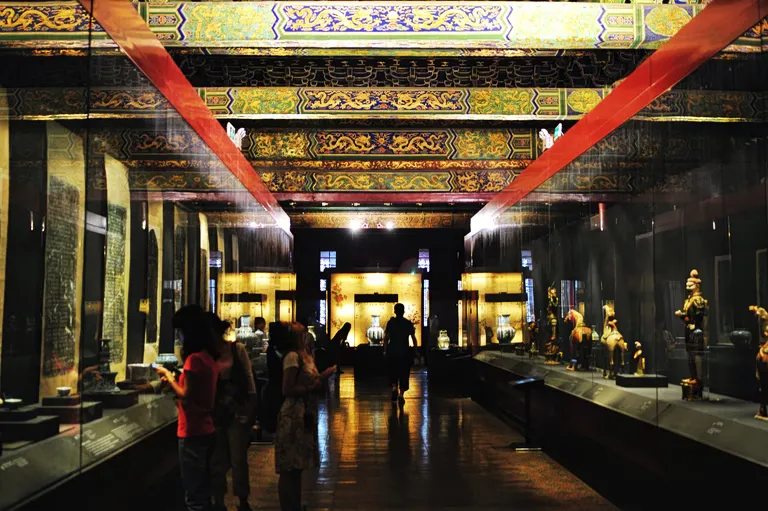
Which museum is currently the most visited in the world?
The Forbidden City in Beijing holds the top position in the 2025 annual rankings released by the Themed Entertainment Association (TEA). While the Louvre in Paris has traditionally been the primary benchmark for museum attendance, the Chinese imperial palace has successfully overtaken it in terms of annual visitor numbers. This change marks a significant moment in global cultural tourism, signaling a shift in where the world's travelers are focusing their attention.
The Forbidden City is a massive public museum located just north of Tiananmen Square. It serves as a monumental repository of Chinese history, housing a vast collection of relics from the Ming and Qing dynasties. Its scale and historical depth provide a unique draw for international and domestic tourists alike, contributing to its massive annual attendance figures.
How many visitors does the Forbidden City receive annually?
The Forbidden City attracts approximately 19,000,000 visitors per year, according to the data provided by the TEA. This staggering figure places it at the forefront of global cultural attractions, demonstrating the immense scale of interest in Chinese imperial history. The sheer volume of people visiting this site annually underscores its status as a cornerstone of world heritage.
The scale of imperial tourism
Managing nearly 20 million visitors a year presents unique logistical challenges. The site must balance the preservation of delicate Ming and Qing dynasty artifacts with the high-capacity demands of modern mass tourism. This high level of foot traffic is a testament to the site's enduring allure and its role as a central pillar of Beijing's cultural identity.
Who are the other top-ranking museums globally?
Following the Forbidden City, the list of the world's most visited museums includes several iconic European institutions. The Louvre in Paris remains a dominant force in the rankings, though it no longer holds the absolute top spot. Other major players in the global museum landscape include the Natural History Museum in London and the Vatican Museums in Rome.
The competition for visitor numbers is intense, with these institutions representing the pinnacle of human history, science, and religious art. While the Forbidden City leads, the presence of these Western institutions highlights the diverse interests of the global traveling public, ranging from archaeological wonders to natural sciences and religious masterpieces.
Why is East Asia gaining dominance in museum tourism?
The TEA rankings indicate that East Asia is increasingly taking the lead in the global museum and cultural attraction market. This trend is evidenced by the Forbidden City's top ranking and the high visibility of other cultural sites in the region. The rise of East Asian tourism is driven by a combination of historical significance, rapid infrastructure development, and a growing interest in non-Western narratives.
As global travel patterns evolve, the traditional dominance of European cultural hubs is being challenged. The concentration of high-interest sites in East Asia suggests that the future of global cultural tourism will be increasingly multi-polar, with significant shifts in how historical and cultural prestige is measured and experienced by visitors.
What is the role of the Themed Entertainment Association in these rankings?
The Themed Entertainment Association (TEA) provides the authoritative data used to compile these annual visitor rankings. By tracking attendance across various cultural and entertainment venues, the TEA offers a comprehensive view of global trends in themed attractions and museums. Their reports are widely used by industry professionals and researchers to understand the movement of global tourism.
These rankings provide a standardized way to compare vastly different types of institutions. Whether it is a massive imperial complex in Beijing or a specialized natural history museum in London, the TEA data allows for a direct comparison of their impact and reach on a global scale. This data is essential for understanding the economic and cultural weight of the world's most significant landmarks.
How do "hidden gems" compare to major tourist landmarks?
While the TEA rankings highlight the world's most visited sites, they do not necessarily represent the most culturally significant or unique experiences. Many "hidden gems" exist in underground sites, remote regions, or locations that were not originally designed to accommodate mass tourism. These sites often offer a more intimate and authentic connection to history than the high-traffic mega-museums.
The distinction between a high-volume tourist attraction and a culturally significant site is an important one. The most visited museums, like the Forbidden City or the Louvre, are often those with the greatest accessibility and global recognition. However, for many travelers, the true value of cultural exploration lies in discovering those less-traveled paths that offer a deeper, albeit less crowded, insight into human civilization.
FAQ: Most visited museum in the world
Which museum is number one in the 2025 TEA rankings?
The Forbidden City in Beijing is the most visited museum in the world according to the 2025 TEA report. It has overtaken the Louvre to take the top position, driven by its immense historical significance and massive annual visitor numbers.
How many people visit the Forbidden City every year?
The Forbidden City receives approximately 19,000,000 visitors annually. This high volume of attendance makes it one of the most significant cultural landmarks on the planet, reflecting the intense global interest in Chinese imperial history and heritage.
Is the Louvre still a top museum in the rankings?
Yes, the Louvre in Paris remains one of the highest-ranking museums in the world. Although it has been surpassed by the Forbidden City in the most recent annual rankings, it continues to be a primary leader in global cultural tourism.
What other museums are highly ranked?
Other major institutions appearing high in the rankings include the Natural History Museum in London and the Vatican Museums in Rome. These sites represent the diverse range of cultural, scientific, and religious interests that drive global museum tourism.
What does the TEA report measure?
The Themed Entertainment Association (TEA) report measures annual visitor attendance across various museums and themed entertainment venues worldwide. This data provides a benchmark for understanding global trends in cultural tourism and the popularity of different historical and entertainment landmarks.
Key takeaways
- The Forbidden City in Beijing is currently the world's most visited museum.
- The Forbidden City attracts approximately 19,000,000 visitors each year.
- The 2025 TEA rankings show East Asia gaining dominance in cultural tourism.
- The Louvre, Natural History Museum, and Vatican remain top global competitors.