What is the significance of the Grand Prix win for Sister Brother Manhole Cover?
The Grand Prix win at the 39th Tokyo International Film Festival places Milcho Manchevski’s latest work at the forefront of international cinema. The award, presented at the Hulic Hall during the festival's closing night, recognizes the film's unique ability to blend emotional depth with a playful tone. According to reports from Variety, the festival, which commenced on October 26, concluded with a massive audience turnout to celebrate the winning production.
Beyond the prestige of the title, the Grand Prix includes a monetary prize of 3 million yen, which equates to roughly $19,000. For a film that Manchevski described as an "eccentric" project that nearly failed to reach production, this recognition serves as a profound validation of its artistic vision. The win highlights the growing international interest in Balkan narratives and the sophisticated storytelling coming out of North Macedonia.
The Jury's Perspective on the Award
The decision to award the Grand Prix was led by jury president Rolf de Heer. The jury focused on the film's technical composition and its emotional resonance. De Heer noted that the film was selected due to the profound humanity and compassion it displays toward its characters. He described the work as a complex and well-structured piece that manages to be simultaneously moving and playful, avoiding the pitfalls of overly didactic messaging in favor of character-driven storytelling.
What is the plot and thematic essence of the film?
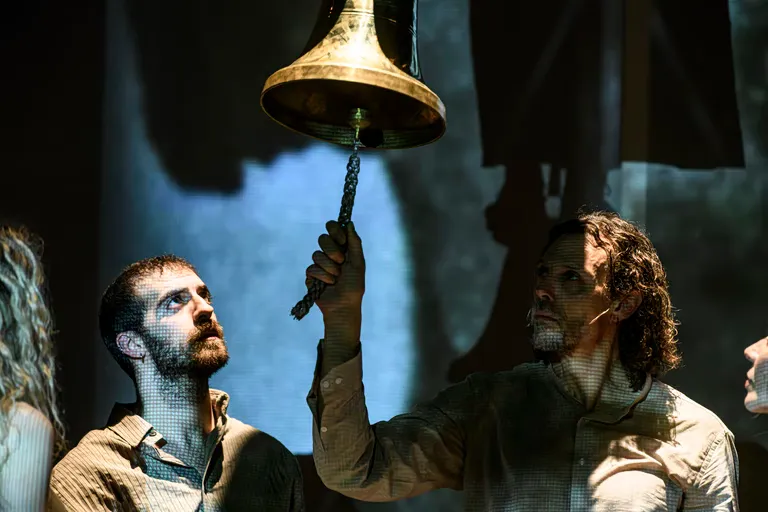
Sister Brother Manhole Cover serves as a comedic allegory centered on the lives of two siblings, Tanja, Victor, and Malina, who navigate the fringes of society. The narrative follows the duo as they attempt to make a living through the theft of manhole covers and bronze busts. The plot takes a dramatic turn when a stolen bronze bust of a national hero falls on Victor's foot, propelling the pair into the darker, more labyrinthine depths of the North Macedonian capital, Skopje.
The film moves beyond simple comedy to explore the social divide between the "haves" and the "have-nots." Manchevski has emphasized that the film is not intended to deliver heavy-handed messages; rather, it is a study of people and their unconventional family structures. By using the gritty reality of urban scavenging as a backdrop, the film creates a space to examine human resilience and the complexities of survival in a modern urban environment.
How was the award presented and who represented the film?
Because the director, Milcho Manchevski, had already departed Tokyo by the time of the ceremony, the award was accepted by a delegation representing the production team. This group included producer Jane Cortosef and the film's lead actors, Sara Klimovska and Filip Trajkovic. The ceremony was a formal affair, with the award presented by Tokyo Vice Governor Yamashita Satoshi on behalf of Governor Yuriko Koike, who was unable to attend.
Producer Jane Cortosef provided a lighthearted reflection on the achievement during the ceremony. She noted the irony of their journey, stating that they arrived in Tokyo with a manhole cover and are returning to North Macedonia with a beautiful Grand Prix prize. This sentiment captured the spirit of the film—finding something of immense value in the most unexpected and seemingly discarded places.
Production and Co-production Details
The film represents a massive collaborative effort involving multiple nations. It is a co-production between North Macedonia, Bulgaria, Serbia, Albania, Italy, and the United Kingdom. Such extensive international backing is often necessary for high-concept independent cinema to reach a global stage. This project marks Manchevski's first feature-length fiction film since his previous work, "Kaymak," further cementing his return to long-form storytelling after a period of diverse artistic pursuits.
What does this win mean for Milcho Manchevski's career?
For Milcho Manchevski, the Grand Prix is a moment of professional vindication. The Skopje-born director, who has built a career as a filmmaker, photographer, and artist, has often explored the nuances of identity and social structure. His participation in the Tokyo ceremony via video message allowed him to express his gratitude and reflect on the difficult journey of the production.
Manchevski characterized the film as an "eccentric" work that faced significant hurdles during its development. He noted that the film almost never reached the screen, making the international recognition even more significant. By focusing on "unusual families" and the human condition rather than political preaching, Manchevski has successfully transitioned his unique artistic voice into a format that resonates with international juries and audiences alike.
Frequently asked questions
What is the cash prize for winning the Tokyo Film Festival Grand Prix?
The Grand Prix winner receives a cash prize of 3 million yen. Based on current exchange rates mentioned in the report, this amount is approximately equivalent to $19,000 USD. This prize accompanies the official trophy presented at the festival's closing ceremony.
Who directed Sister Brother Manhole Cover?
The film was directed by Milcho Manchevski, a renowned Skopje-born filmmaker, photographer, and artist. This project is his first major fiction feature film following his previous release, "Kaymak." He participated in the Tokyo Film Festival via a video message.
Which countries were involved in the production of the film?
The film is an international co-production involving six different countries: North Macedonia, Bulgaria, Serbia, Albania, Italy, and the United Kingdom. This multi-national collaboration helped bring the ambitious project to the international festival circuit.
What is the central plot of the movie?
The story is a comedic allegory about two siblings who survive by stealing manhole covers and bronze statues in Skopje. The plot thickens when a stolen bust of a national hero causes an injury to one of the characters, leading them into the city's darker underworld.
Who accepted the award on behalf of the director?
Since Milcho Manchevski could not attend the ceremony in person, the award was accepted by producer Jane Cortosef along with the film's stars, Sara Klimovska and Filip Trajkovic. They received the prize from Tokyo Vice Governor Yamashita Satoshi.
Key takeaways
- Sister Brother Manhole Cover won the Grand Prix at the 39th Tokyo International Film Festival.
- The award includes a cash prize of 3 million yen, approximately $19,000.
- Director Milcho Manchevski describes the film as a study of humanity and unconventional families.
- The film is a multi-national co-production involving North Macedonia, Bulgaria, Serbia, Albania, Italy, and the UK.
Conclusion
The Grand Prix victory for Sister Brother Manhole Cover at the Tokyo International Film Festival marks a triumphant moment for Milcho Manchevski and the international co-production team. By blending a gritty urban setting with a compassionate, comedic lens, the film has successfully navigated the complexities of social allegory to capture the attention of global critics. This recognition not only validates the director's unique vision but also highlights the strength of contemporary North Macedonian cinema on the world stage. As the film moves from Tokyo to global distribution, its themes of resilience and human connection are poised to resonate widely.