What are the standout new movie releases this week?
The current cinematic lineup is characterized by a shift toward intimate, thought-provoking narratives rather than large-scale productions. Instead of high-octane action, audiences can expect deep dives into human psychology and experimental artistry. Among the most anticipated titles are the American-British co-production Queen by the Sea, directed by Lance Hammer, and the Finnish musical drama A Light That Does Not Fade, directed by Lauri Matti Parpeä. Additionally, the Greek documentary Elsewhere on the Road stands out as a significant cultural contribution to this week's schedule.
A focus on substance over spectacle
While the absence of major blockbusters might seem like a gap in the market, the current selection provides a rich opportunity for viewers seeking intellectual engagement. These films prioritize character development and thematic depth, offering a more nuanced experience than typical summer tentpoles.
How does 'Queen by the Sea' explore complex ethical dilemmas?
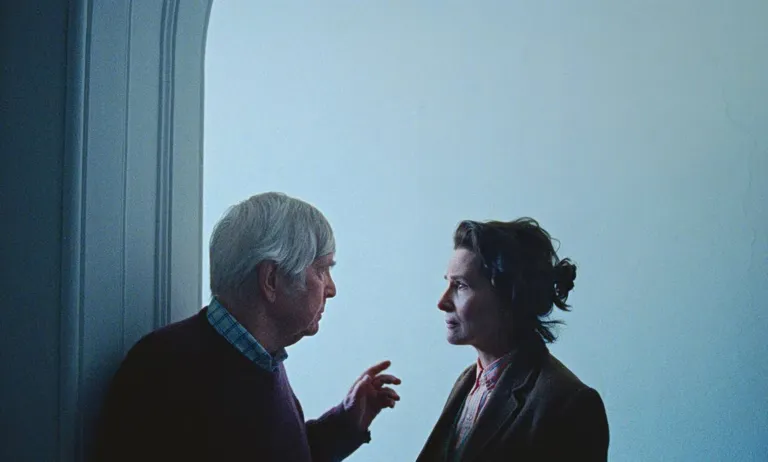
Queen by the Sea is a psychological drama directed by Lance Hammer that tackles the harrowing realities of dementia and the boundaries of consent. Set in London, the film examines the tension between three generations of a family as they navigate the care of an elderly woman whose cognitive abilities are rapidly declining. The narrative centers on Amanda, a 50-year-old teacher, and her struggle to protect her 80-year-old mother, Leslie, from the perceived impropriety of Leslie's relationship with her 85-year-old husband, Martin.
The film's central conflict arises from a fundamental disagreement regarding autonomy and intimacy. While Martin maintains that he and Leslie share a unique, unbreakable bond that allows for physical intimacy, Amanda views the situation through a legal and moral lens, fearing that her mother is incapable of providing informed consent. This tension leads to a dramatic escalation when Amanda reports the situation to the authorities, triggering a chain reaction within the family. Through this conflict, Hammer explores whether protection from loved ones can inadvertently become a form of control, stripping the elderly of their agency.
Masterful performances and directorial vision
Lance Hammer, a former visual effects director who returned to filmmaking after an 18-year hiatus following his acclaimed work Ballast, brings a meticulous eye to the production. The film has already garnered recognition at the Berlin Film Festival. The cast is led by Juliette Binoche, who delivers a powerful performance as the conflicted Amanda, and Tom Courtenay, who moves seamlessly between tenderness and profound despair. Anna Colder-Marshall also provides a nuanced portrayal of a character navigating the complexities of a life without a strong central personality, yet filled with flashes of humanity.
What makes 'A Light That Does Not Fade' a unique musical experience?
A Light That Does Not Fade is a Finnish musical drama that uses the contrast between musical genres to illustrate a journey of personal healing. Directed by newcomer Lauri Matti Parpeä, the film follows Pauli, a 29-year-old virtuoso classical flautist from Helsinki, who returns to his small provincial hometown following a nervous breakdown. The story begins with a moment of symbolic destruction when Pauli breaks his precious instrument, setting the stage for a transformative encounter with his roots and a new form of expression.
The film's narrative engine is the collision of two musical worlds: the rigid, perfected structures of classical music and the raw, chaotic, and liberating energy of avant-garde rock. After meeting an unconventional old classmate named Iris, Pauli is drawn into an amateur, experimental rock group. This immersion in improvisation and "noise" serves as a therapeutic mechanism, helping him reconstruct his identity away from the pressures of professional perfection and social expectations. The film explores the joy of creation and the acceptance of human error through this sonic evolution.
Innovative cinematic techniques
One of the most striking aspects of Parpeä's direction is the decision to forgo a conventional soundtrack. Instead, much of the music is performed live by the actors as part of the diegetic action. This technique creates a sense of immediacy and authenticity, grounding the film's experimental nature in a tangible reality. Having premiered in the Parallel Section of the Cannes Film Festival, the film has been praised for its ability to harmonize cacophony with emotional melody.
What are the key themes across this week's cinema?
Across the diverse selections of the week, several recurring themes emerge that define the current trend in independent and international cinema. There is a clear emphasis on the fragility of human connections and the struggle to maintain identity in the face of external or internal crises. Whether it is the erosion of memory in Queen by the Sea or the psychological exhaustion of a musician in A Light That Does Not Fade, the characters are all in states of transition or breakdown.
- Autonomy vs. Protection: The tension between providing care and respecting the individual's right to make their own choices.
- Healing through Art: The use of creative expression—particularly non-traditional or experimental forms—as a tool for psychological recovery.
- Generational Conflict: The friction that arises when different age groups attempt to navigate changing social and moral landscapes.
FAQ: New movie releases
Which film is recommended for fans of psychological drama?
Queen by the Sea is the primary recommendation for fans of the genre. Directed by Lance Hammer, it offers a sophisticated and emotionally taxing exploration of dementia, consent, and the complex relationships between caregivers and the elderly, anchored by a powerful performance from Juliette Binoche.
Is there a musical film available this week?
Yes, A Light That Does Not Fade is a standout musical drama from Finland. It is unique because it uses live-performed music within the film to tell the story of a classical musician finding healing through the chaotic and liberating sounds of experimental rock music.
Are there any international documentaries to watch?
The week includes the Greek documentary Elsewhere on the Road. While the source provides less detail on the specific subject matter, it is noted as a significant release alongside the week's major dramatic and musical offerings.
What is the directorial style of Lauri Matti Parpeä?
Lauri Matti Parpeä is an emerging director known for his ability to blend musical "cacophony" with emotional rhythm. His style in A Light That Does Not Fade is characterized by a fresh cinematic perspective, utilizing live musical performances to create an authentic and immersive atmosphere.
How does 'Queen by the Sea' differ from typical dramas?
Unlike many melodramatic productions, Queen by the Sea is described as being stripped of excessive sentimentality. It approaches its heavy subject matter with a raw, unvarnished honesty, focusing on the psychological nuances of its characters rather than relying on easy emotional tropes.
Key takeaways
- Queen by the Sea explores the ethical complexities of dementia and consent.
- Lance Hammer's return to directing follows his previous success with Ballast.
- A Light That Does Not Fade features live musical performances by the actors.
- The Finnish film uses rock music as a metaphor for psychological healing.
- This week's releases prioritize character-driven narratives over big-budget spectacles.
Conclusion
The current wave of new movie releases signals a preference for depth and psychological complexity over commercial spectacle. From the harrowing ethical questions posed by Lance Hammer's Queen by the Sea to the restorative, experimental sounds of Lauri Matti Parpeä's A Light That Does Not Fade, these films offer significant intellectual and emotional rewards. While the selection is smaller in scale than typical blockbuster weeks, the quality of direction and the bravery of the thematic explorations provide a compelling argument for the enduring power of character-centric cinema in the modern era.