What is the focus of The Last Fellini documentary?
The Last Fellini (also known as Ultimo Fellini) provides an intimate look into the final ten years of Federico Fellini's life. Directed by Gianluigi Chiaramonte, the documentary seeks to uncover the nuances of a period that remained largely unexamined by film historians and biographers until now. While Fellini's global influence was undeniable, the production explores the complexities of his later career, specifically how he navigated the shifting landscape of the film industry during the 1980s and 1990s.
The film does not merely recount biographical facts but delves into the personal and professional environment that surrounded the maestro. It examines the tension between his immense artistic status and the practical difficulties of securing financial backing for his ambitious visions. By focusing on this specific decade, the documentary offers a more humanized perspective on a figure often treated as a mythic icon rather than a working artist facing the realities of production and aging.
How did Martin Scorsese and Federico Fellini almost collaborate?
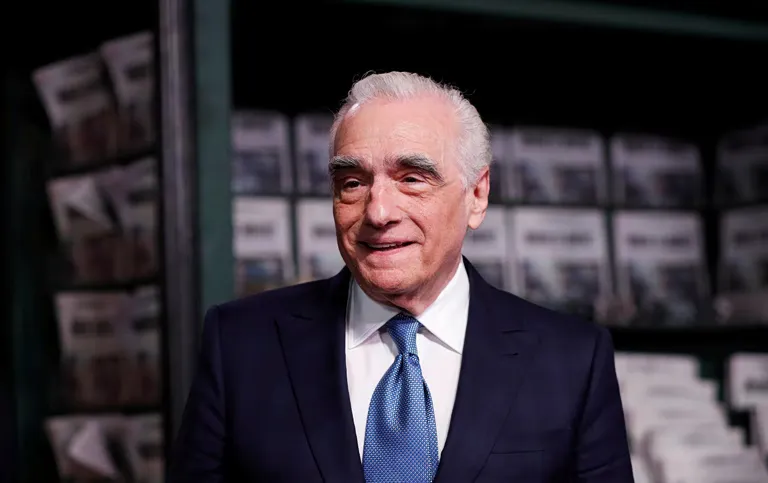
Martin Scorsese recalls a period when he and Fellini were close to launching a shared documentary series focused on various facets of film production. This proposed project was intended to be an expansive exploration of the cinematic process, with individual episodes dedicated to specific roles within a film crew. According to Scorsese, the series was designed to break down the mechanics of filmmaking into digestible, specialized segments.
The structure of the proposed series
Scorsese describes the conceptual framework of this "crazy" series as a deep dive into the technical and creative pillars of cinema. The plan included dedicated episodes for several key roles, including:
- The Producer: Examining the logistical and financial backbone of a film.
- The Actor: Exploring the craft of performance and character development.
- The Cinematographer: Looking at the visual language and technical execution of shots.
- Other essential crew members: Covering the myriad roles that bring a script to life.
Although the collaboration did not materialize into a full series, the discussions between the two directors revealed much about their mutual respect and shared fascination with the granular details of movie-making.
What did Fellini believe about the role of a producer?
Federico Fellini held a humorous yet practical view regarding the most important role in film production, specifically highlighting the importance of the location scout. During his discussions with Scorsese, Fellini argued that the ability to find the right setting was paramount, but he added a distinctly human requirement to the professional task: the proximity to good food.
Fellini's reasoning was rooted in the daily realities of a film set. He suggested that whether a production was filming in Rome, Parma, or any other location, the person responsible for selecting sites needed to ensure that the crew could easily access a quality restaurant for lunch. For Fellini, the ability to stop and eat a proper meal was not just a matter of comfort, but a fundamental necessity for maintaining the rhythm and spirit of a production. This anecdote serves as a testament to Fellini's character—a man who viewed the grand art of cinema through a lens of practical, earthly pleasures.
What was the significance of Fellini's final phone call to Scorsese?
The documentary touches upon the poignant conclusion of Fellini's life, specifically the period surrounding his 1993 honorary Academy Award for lifetime achievement in Los Angeles. Following the ceremony, Fellini made a final telephone call to Martin Scorsese, a conversation that was later brought to light by Variety. This call stands as a haunting bookend to their relationship, marked by a sense of finality and gratitude.
Scorsese remembers the call as being uncharacteristically quiet and fragile. Fellini's voice was described as being very weak as he repeated a simple message of thanks. According to Scorsese, Fellini said, "Thank you, Martin. Thank you, thank you. You know, I'll see you soon. At least I hope so." Despite the emotional weight of those words, Scorsese has noted that to this day, he remains uncertain about the specific reason why Fellini felt the need to express such profound gratitude in that final moment. The mystery of that "thank you" remains one of the many lingering questions in the legacy of the Italian master.
Who were the key supporters of Fellini during his later years?
Despite the financial hurdles Fellini faced in maintaining his creative independence, he was surrounded by a dedicated circle of peers and professionals who admired his genius. These collaborators provided not only artistic inspiration but also a support system that helped sustain his career through the challenging final decades of the 20th century. This network of supporters included some of the most significant names in European and international cinema.
The documentary highlights several individuals who played crucial roles in his life and work:
- Roberto Benigni: The acclaimed Italian actor and director.
- Nicola Piovani: The renowned composer known for his evocative film scores.
- Vincenzo Molica and Milo Manara: Figures who contributed to the broader cultural context of his era.
- Fioretta Profili: Fellini's loyal secretary, who remained a constant presence in his professional life.
This community of artists ensured that even when the industry struggled to fund his projects, Fellini's influence continued to permeate the cinematic landscape, bridging the gap between his classic masterpieces and his final creative expressions.
Key takeaways
- The Last Fellini documentary explores the final decade of Federico Fellini's life and career.
- Martin Scorsese shares memories of a nearly realized documentary collaboration with Fellini.
- Fellini emphasized the importance of location scouts finding sites near good restaurants.
- A final, poignant phone call occurred between Fellini and Scorsese in 1993.
- The documentary highlights the support of peers like Roberto Benigni and Nicola Piovani.
Frequently asked questions
Who directed The Last Fellini documentary?
The documentary, titled "The Last Fellini" or "Ultimo Fellini," was directed by Gianluigi Chiaramonte. The film focuses on the final ten years of Federico Fellini's life, providing an intimate look at his career and personal experiences during that period.
What is the connection between Martin Scorsese and Federico Fellini?
Martin Scorsese was a close admirer of Fellini's work, citing "8½" as one of his favorite films. The two directors also discussed a potential collaborative documentary series that would have explored different aspects of film production, such as acting and cinematography.
When did Federico Fellini receive his honorary Oscar?
Federico Fellini received an honorary Academy Award for his lifetime achievement in 1993. This recognition occurred in Los Angeles, shortly before his final telephone conversation with Martin Scorsese, which took place the following day.
Why did Fellini value location scouts so highly?
Fellini believed that a location scout's job was vital because they needed to ensure film sites were located near good restaurants. He humorously argued that being able to stop for a quality lunch was a fundamental requirement for any successful film production.
What does the documentary cover regarding Fellini's career?
The documentary covers the complexities of Fellini's career during the 1980s and 1990s. It specifically examines the tension between his immense artistic prestige and the financial difficulties he encountered when trying to fund his cinematic projects.
Conclusion
The Last Fellini documentary serves as a vital retrospective, offering a nuanced view of a cinematic legend during his twilight years. By weaving together professional anecdotes, such as the near-collaboration with Martin Scorsese, and deeply personal moments, like the final phone call in 1993, the film moves beyond mere biography. It portrays Fellini not just as a master of surrealist cinema, but as a man navigating the practicalities of life, friendship, and the enduring challenges of the film industry. This exploration ensures that the complexities of his final decade are finally given the historical attention they deserve.