The scope and contents of the Nikos Kavvadias collection
The Nikos Kavvadias archive comprises 45 archival boxes containing significant literary, historical, and commercial evidence related to the poet's life and work. Because Kavvadias spent much of his life traveling as a sailor and radio operator, the collection serves as a global repository of documents collected from various international locations. The material covers not only the poet's own output but also provides insights into the lives of other prominent artists, writers, and actors of the era.
The collection is characterized by its breadth, encompassing a vast array of media and historical records. The following table outlines the primary categories of items found within the donated collection:
| Category | Description of Contents |
|---|---|
| Literature & Manuscripts | Hundreds of manuscripts of known and unknown poems and prose; manuscripts from other poets. |
| Library | A significant collection of more than 2,000 book titles. |
| Correspondence | Extensive letters involving major figures of the '30s generation and other intellectuals. |
| Visual Media | Hundreds of photographs (many unpublished) and works of art by painters and sculptors. |
| Personal Effects | Maritime equipment, furniture (including his desk), binoculars, and personal tools. |
| Audio & Ephemera | Vinyl records, gramophone plates, cassettes with his recordings, notebooks, and diaries. |
A significant literary legacy for the Greek state
The donation marks a turning point for the study of one of Greece's most widely read and influential poets. The archive contains hundreds of manuscripts, including both recognized and previously unknown poems and prose works by Kavvadias. Furthermore, the collection preserves the intellectual history of the period through the inclusion of manuscripts from other major literary figures.
Manuscripts and literary connections
Beyond Kavvadias's own writing, the archive holds manuscripts by notable poets such as C.P. Cavafy, Tellos Agoras, Mitsos Papannikolaou, Myrtyotis, Napoleon Lapathiotes, and Galazis. It also preserves the artistic identity of the painter Yannis Tsarouchis. This concentration of talent within a single archive provides a unique window into the interconnectedness of the Greek literary scene during the mid-20th century.
The archive also includes documentation regarding the poetess Theoni Drakopoulou (Myrtyotis), who had previously gifted materials to Kavvadias and his sister. Additionally, documents pertaining to his sister, Jenia Kavvadia, are included, highlighting her own connections to the artistic world through her correspondence with figures like Stratis Tsirkas and Melpo Axiotis.
The role of the heir and the terms of the donation
The transfer of the archive to the General State Archives was made possible through the decision of Philippos Chatzopoulos, the poet's sole heir. Chatzopoulos, the grandson of Jenia Kavvadia and son of Elga Kavvadia, chose to donate the accumulated family archive to ensure it becomes public property. This decision was made specifically to protect the collection from the potential exploitation by private collectors, institutions, or commercial entities that had expressed interest in purchasing it.
The donation agreement includes specific legal and structural protections to maintain the integrity of the collection. According to the terms of the gift, the archive must adhere to the following principles:
- Undivided status: The archive must remain a single, cohesive unit and cannot be broken up or sold in parts.
- Public accessibility: Once the necessary cataloging and processing are complete, the archive must be made free and accessible to researchers and the public.
- Openness to future acquisitions: The collection is intended to remain open to further additions to ensure its continued growth as a research tool.
This approach stands in contrast to recent legal disputes involving the heirs of other significant creators, positioning Chatzopoulos's decision as a historical act of cultural preservation.
Preservation and future scientific processing
The General State Archives, under the direction of General Director Amalia Pappa, has accepted the donation with the intent of providing professional preservation and scientific development. The GSA is the largest public archival body in Greece, providing the necessary reliability for the long-term safeguarding of such a significant collection. The transition to the GSA involves several technical phases to prepare the materials for public and academic use.
Digitization and public exhibition plans
The GSA has outlined a multi-step process for the management of the Kavvadias collection. The primary goal is to move beyond mere storage toward active scholarly engagement. The planned actions include:
- Scientific Cataloging: A detailed systematic recording of every item to facilitate academic research.
- Documentation and Digitization: Converting physical documents and manuscripts into digital formats to ensure preservation and ease of access.
- Permanent Exhibition: Selected personal objects and significant items will be permanently displayed at the Central Service of the GSA in Psychiko.
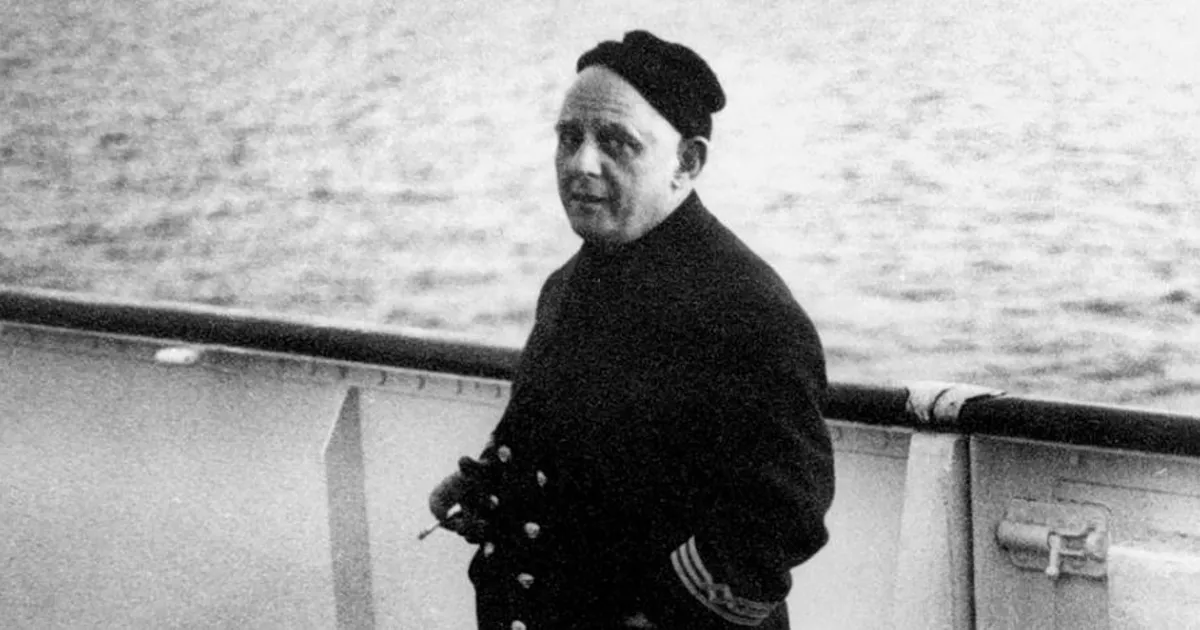
The archive's physical presence will be anchored at the Psychiko headquarters, where the bulk of the collection will be stored. The inclusion of personal items—such as radio equipment, binoculars, a shaving machine, a maritime cap, suitcases, and even his desk—will allow the public to connect with the poet's dual identity as both a man of letters and a man of the sea.
Extensive correspondence with the '30s Generation
One of the most valuable components of the archive is the massive volume of correspondence that documents the social and intellectual networks of the era. The archive contains over 180 significant dispatches and letters involving a wide array of prominent Greek intellectuals, writers, and artists. These communications provide a primary source for understanding the professional and personal relationships that shaped 20th-century Greek culture.
The list of correspondents included in the archive is extensive, featuring figures such as:
- George Seferis and Nikos Kazantzakis (along with Eleni Kazantzakaki)
- Stratis Tsirkas and Melpo Axiotis
- Dimitris Horas and George Theotokas
- Angelos Sikelianos and Kostas Karatheodotos
- Yannis Tsarouchis and Mimis Traiforos
- And numerous others including Markos Avgeris, Mitso Papannikolaou, and Elias Petropoulos.
These letters, combined with the poet's personal notebooks, diaries, and professional maritime documents, create a comprehensive portrait of a life lived between the literary salons of Athens and the decks of international vessels.