
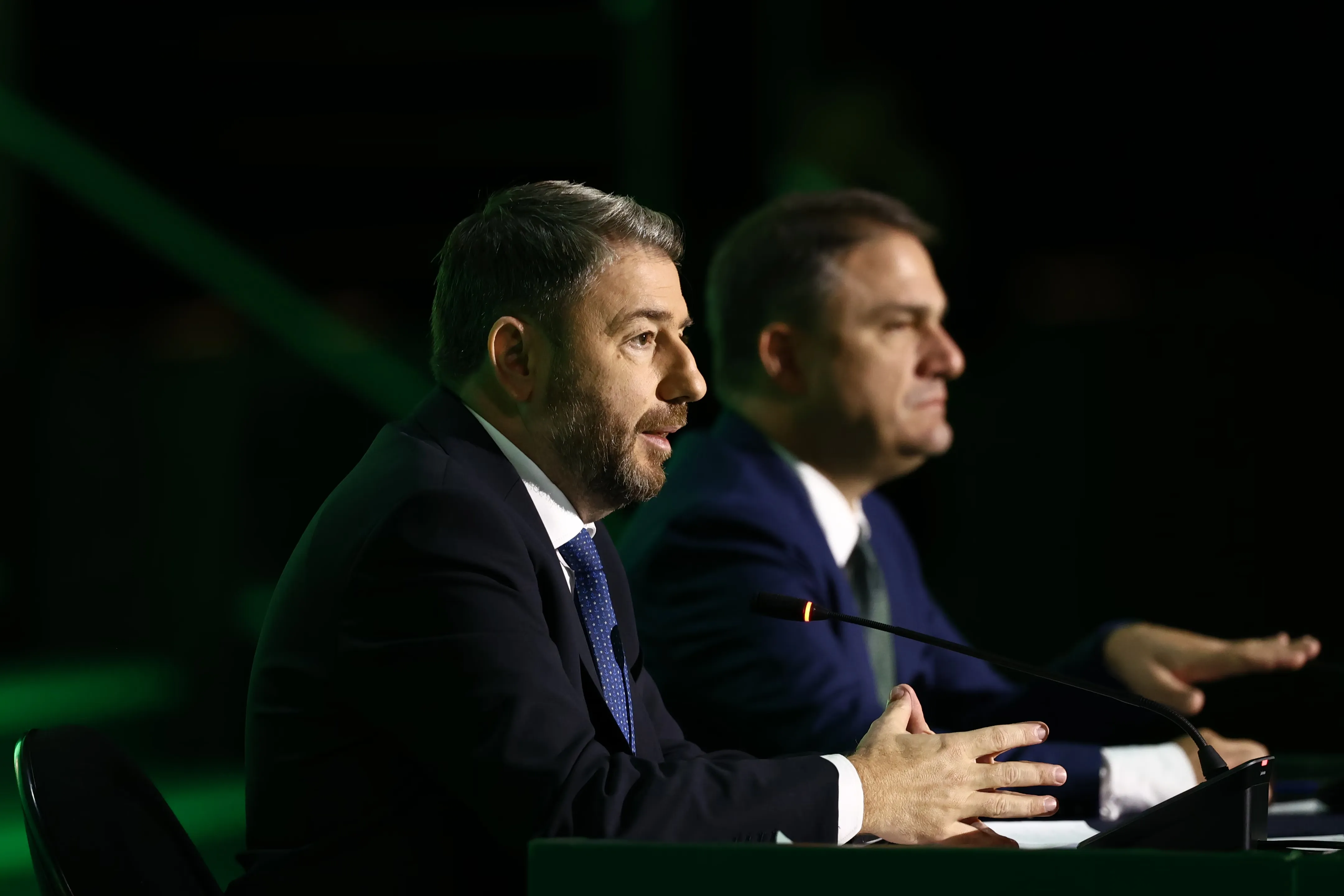
How is PASOK implementing its 'positive agenda' for the upcoming elections?
PASOK is shifting its political strategy toward a programmatic counter-offensive designed to address the immediate daily struggles of Greek citizens. Rather than focusing solely on criticizing government failings, the party is presenting a series of actionable policy proposals. According to PASOK leadership, this 'positive agenda' is intended to offer voters a choice based on a specific program, qualified personnel, and political autonomy from vested interests.
The strategy focuses on two primary pillars: reducing the cost of energy and reforming the residency-by-investment landscape. By positioning itself as a party of solutions, PASOK aims to expand its communication channels with key electoral groups. This approach is designed to transform the party's role from a reactive opposition into a proactive alternative ready for the next electoral cycle.
What are the proposed solutions for high fuel prices?
PASOK has introduced a tripartite proposal to combat rising fuel costs, utilizing a model inspired by Italian economic practices. The core of this plan is to reduce the financial burden on consumers through a combination of tax adjustments and increased oversight. The proposal includes three distinct components:
- Reduction of the Special Consumption Tax (SCT): Lowering the specific tax applied to motor fuels and heating oil.
- VAT Revenue Redistribution: Creating a mechanism to return excess VAT revenues directly to consumers.
- Profit Margin Audits: Implementing systematic checks on profit margins across the entire supply chain, from refineries to the fuel pump.
Nikos Androulakis, the leader of the opposition, has highlighted the fiscal viability of this model. He noted that by utilizing surplus VAT revenues—noting an excess of 140 million euros collected over an eight-month period—the government can offset the reduction in the Special Consumption Tax without disrupting overall fiscal stability. Furthermore, the proposal suggests a further 300 million euro allocation from the budget to dynamically lower taxes on diesel and heating oil.
The Italian Model: A Fiscal Blueprint
The adoption of the Italian model is a deliberate choice intended to demonstrate that significant relief is possible within existing European fiscal frameworks. The logic suggests that if a country collects more VAT than budgeted, those funds should be redirected to alleviate the cost of essential goods like fuel. This method aims to provide immediate relief to households while maintaining a balanced budget through the strategic reallocation of existing tax inflows.
How does the proposed Golden Visa reform work?
PASOK is preparing to challenge the current 'Golden Visa' system, which it views as a driver of real estate monoculture that threatens Greek property ownership. The party's proposed amendment seeks to end the practice of using real estate as a primary investment tool for residency. Instead of a system that fuels property price inflation, the new proposal focuses on long-term residency stability and productive investment.
Under the proposed changes, the ability to acquire property as a direct means of obtaining a Golden Visa would be abolished. For third-country nationals who have completed their initial five-year residency period, the party proposes two distinct paths for renewal: either transitioning to primary residency (self-occupation) or committing to long-term leasing. This is intended to prevent the 'emptying' of Greek neighborhoods by investors who do not actually live in the country.
Transitioning to the Oranje Visa Model
To replace the existing system, PASOK is looking toward the Dutch 'Oranje Visa' as a functional template. This model shifts the focus from passive real estate acquisition to active economic participation. Key features of this proposed transition include:
- Productive Investment: Prioritizing investments in startups and new technologies.
- Regional Development: Incentivizing investors to direct capital toward Greece's peripheral regions rather than just urban centers.
- Economic Diversification: Moving away from a real estate-dependent economy toward a more resilient, innovation-driven model.
The technical development of this proposal has been informed by European expertise, specifically involving party members with academic experience in the Netherlands, such as Lefteris Karchimakis, a professor at Leiden University.
What is the political impact of these policy shifts?
The move toward a 'positive agenda' represents a significant tactical shift for the main opposition. By focusing on highly visible issues like fuel prices and housing affordability, PASOK is attempting to narrow the political space available to the New Democracy government. These issues are not merely economic; they are deeply emotive and central to the concerns of the middle and working classes.
By framing their proposals around successful European examples—Italy for fuel and the Netherlands for investment—PASOK seeks to project an image of competence and international alignment. This prevents the government from dismissing the proposals as unrealistic or fiscally irresponsible. The strategy effectively forces the government to defend its current policies against specific, modeled alternatives, potentially shifting the electoral debate from general governance to specific economic relief measures.
Frequently asked questions
What is the primary goal of PASOK's new political strategy?
The primary goal is to move from a reactive opposition to a 'proactive opposition' through a positive agenda. By proposing concrete solutions to daily problems like fuel costs and housing, the party aims to capture voters looking for immediate economic relief and long-term structural stability.
How would the fuel tax reduction be funded?
The proposal suggests using surplus VAT revenues—such as the 140 million euros collected in an eight-month period—to fund the reduction of the Special Consumption Tax. Additionally, it proposes a 300 million euro budget allocation to ensure the reduction in diesel and heating oil taxes is significant.
Why does PASOK want to abolish the current Golden Visa?
PASOK argues that the current Golden Visa system encourages a real estate monoculture that drives up prices and threatens local property ownership. The party seeks to prevent the 'emptying' of Greek communities by ensuring that residency-by-investment leads to actual residency or productive economic activity.
What is the 'Oranje Visa' mentioned in the proposals?
The Oranje Visa is a Dutch model that PASOK intends to adapt. Unlike the current Greek system focused on property, this model prioritizes investments in startups, new technologies, and regional development, aiming to bring productive capital into the country rather than passive real estate holdings.
Will the new residency rules require people to live in Greece?
Yes, the proposal suggests that after the initial five-year period, third-country nationals would need to choose between occupying the property as their primary residence or entering into long-term lease agreements, ensuring that the investment has a tangible impact on local communities.
Key takeaways
- PASOK is launching a 'positive agenda' focusing on fuel costs and housing reform.
- The fuel proposal uses an Italian model to reduce Special Consumption Taxes via VAT surpluses.
- The party seeks to replace real estate-based Golden Visas with a Dutch-style Oranje Visa.
- New residency rules would require self-occupation or long-term leasing after five years.
- The strategy aims to shift the electoral focus toward immediate cost-of-living solutions.
Conclusion
PASOK's strategic pivot toward a programmatic, solution-oriented agenda marks a critical phase in the lead-up to the upcoming elections. By presenting detailed, European-modeled alternatives for fuel taxation and residency-by-investment, the opposition is attempting to redefine the political landscape. These proposals target the intersection of fiscal responsibility and daily economic survival, aiming to present PASOK as a competent and modern alternative to the current administration. The success of this 'positive agenda' will likely depend on whether these specific policy shifts can resonate with a broad electorate concerned about inflation and housing stability.







