The mechanism of the Mensajero Rural program
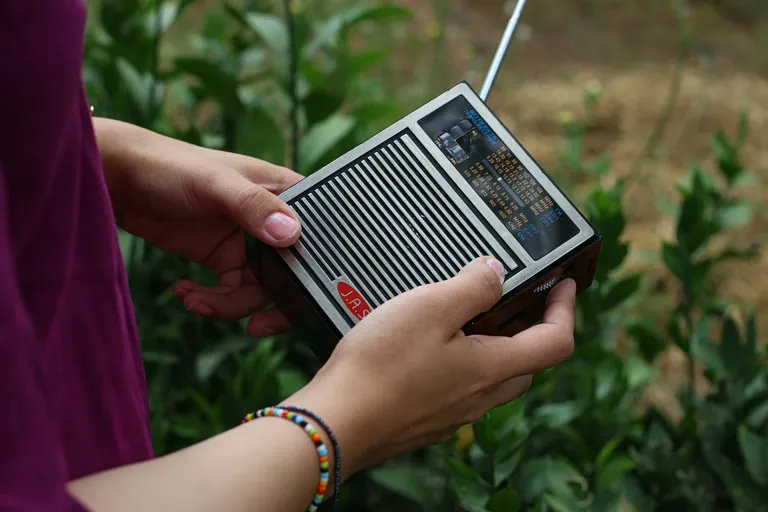
The 'Mensajero Rural' (or 'Mensajes al Poblador Rural') operates through a straightforward broadcast model using AM radio stations across various Argentine territories. Residents submit personal messages through several channels, including telephone calls, WhatsApp, or physical handwritten notes, which are then read aloud by radio announcers. These announcements cover a wide spectrum of human experience, ranging from planned visits and health updates to significant life events such as births and deaths. For those managing isolated farms located many kilometers from the nearest settlement, these few minutes of broadcasting represent the primary opportunity to receive news from family and neighbors.
Communication methods and message types
The diversity of information shared via the radio ensures that the network serves both social and practical functions. Common message categories include:
- Personal Milestones: Announcements regarding births, marriages, or deaths within families.
- Logistical Updates: Information about scheduled visits or the movement of people between settlements.
- Agricultural Alerts: Reports concerning the status of livestock or the disappearance of animals.
- Health Notifications: Updates on the well-being of relatives living in remote areas.
This structured exchange of information creates a rhythmic social pulse for the region, where the radio serves as a communal town square that transcends physical distance.
A century of tradition in remote Argentina
According to a report by journalist Jordan Salama in *The New Yorker*, titled "The First Social Network," the practice of exchanging personal messages via radio emerged in Patagonia during the late 1930s and early 1940s. Originally, the medium was utilized by large landowners to communicate essential instructions to workers stationed on distant agricultural holdings. Over time, the practice evolved from a tool of management into a grassroots social utility used by general residents to maintain personal connections.
The specific geography of Argentina has been a primary driver for the longevity of this medium. The vast, flat expanses of the Patagonian landscape allow AM radio signals to travel immense distances, reaching isolated pockets where traditional infrastructure like fiber optics or cellular towers are absent or unreliable. As the tradition matured, it developed its own informal etiquette and linguistic nuances. Messages are typically phrased in the third person, and certain coded expressions are often used to protect the privacy of the senders while still conveying necessary information to the intended recipients.
Life-saving capabilities of radio broadcasts
Beyond its role as a social connector, the radio network functions as a critical emergency response system. In high-stakes situations, the speed and reach of the AM signal can mean the difference between life and death. The program has been documented as a tool for coordinating rescue efforts during severe weather events, such as floods and snowstorms, when residents have no other means of requesting assistance.
Emergency case studies in the Andes and Patagonia
The practical utility of these broadcasts is best illustrated by specific instances where medical or survival needs were met through radio intervention. One notable example occurred in 2013, when a livestock farming couple in the Andes received a radio announcement regarding an upcoming medical team visit to their area. This information was crucial because their six-year-old son was suffering from a high fever and severe abdominal pain. Using the window of opportunity provided by the broadcast, the parents transported the child on horseback through difficult mountain terrain to meet the doctors. The boy was subsequently taken to a hospital and successfully underwent surgery for appendicitis.
These instances highlight how the 'Mensajero Rural' acts as a bridge between isolated individuals and essential services, effectively compensating for the lack of modern emergency infrastructure in the region.
The psychological impact of connectivity and loneliness
For many residents, the radio program is less about specific news and more about the psychological sense of belonging. The act of listening provides a connection to a wider human experience that mitigates the profound isolation of Patagonian life. Journalist Jordan Salama documented this through several individuals, including 82-year-old José Simón Molina, who lives in the small settlement of El Mirasol. Despite having spent much of his life working in solitude on farms, Molina listens to the daily announcements not necessarily to hear his own name, but to feel connected to the people he knows across the vast distances.
The emotional weight of the medium is also reflected in the lives of those who operate it. Karina López, a radio producer who has hosted the program for nearly twenty years, experienced the full cycle of human connection through the airwaves. She shared that her father learned of her birth through a radio announcement, and years later, she used the same platform to announce his passing. This cyclical nature of life, mediated through radio waves, reinforces the program's status as a fundamental pillar of the local culture.
The intersection of traditional radio and digital technology
The rise of satellite internet is beginning to transform the daily lives of Patagonian residents, introducing modern digital tools to areas that were once entirely analog. As more people gain access to messaging apps and social media, the traditional role of the radio is facing a gradual shift. However, the transition is not a simple replacement; rather, it is a coexistence of two different modes of communication.
Even among those with internet access, many continue to tune in to the traditional broadcasts. The radio offers a shared, synchronized experience—a community gathering around a common sound at the same time—that digital, individualized messaging cannot replicate. The evolution of the population is visible in the changing habits of its residents. For instance, Salama re-encountered Jorge Elías Pereira, a young shepherd he had met in 2020 living in isolation in the Valdés Peninsula. Six years later, Pereira had moved to a town, married, and had three children. Unlike his previous life of waiting by the radio for news, he now communicates primarily through Facebook and WhatsApp, representing the growing digital integration of the region.