
The transition from 'slave contracts' to independent ownership
Paul McCartney's path to billionaire status began with a rejection of the restrictive financial structures that defined his early years with The Beatles. Despite the global phenomenon of Beatlemania, the band members saw very little of the massive profits generated by their albums. According to a 2017 essay written by McCartney for Forbes, the band's original deal with their record company was essentially a "slave contract" that left them with less than a penny per album sold.
The primary issue stemmed from the control held by their publisher, Dick James, who maintained the rights to the band's lyrics and melodies. McCartney noted that even as the band made the company incredibly successful, the musicians themselves saw no increase in their earnings. This realization prompted a fundamental shift in how McCartney approached his professional life, leading him to prioritize the ownership of his creative output.
Breaking the cycle of limited royalties
To escape these constraints, McCartney took decisive action in 1969, just months before The Beatles disbanded. He founded MPL Communications to manage his publishing rights and master recordings for his solo career. This move allowed him to secure a significantly higher percentage of future royalties, transforming his creative work into a long-term financial asset. By establishing his own company, he ensured that he would no longer be a passive recipient of income dictated by third-party publishers.
The strategic expansion of MPL Communications
MPL Communications has become McCartney's most significant business engine, with an estimated valuation of at least $250 million. Rather than simply managing his own songs, McCartney spent decades aggressively acquiring the publishing rights of other artists. This strategy placed him at the forefront of the music catalog market long before the recent surge in valuations for legendary music repertoires.
His acquisition portfolio is diverse, ranging from early rock and roll legends to mainstream theatrical and seasonal hits. His holdings include:
- The musical catalog of early rocker Buddy Holly.
- Various Broadway musical scores.
- Timeless Christmas classics, such as "It’s Beginning To Look A Lot Like Christmas," "The Christmas Song (Chestnuts Roasting On An Open Fire)," "Wonderful Christmastime," "Blue Christmas," and "Baby, It’s Cold Outside."
This vast collection of intellectual property creates a continuous stream of passive income. Every time a classic song like "Blue Suede Shoes" is streamed or a musical like "Grease" is performed, McCartney receives compensation through his company. MPL is reported to own thousands of songs and likely generates tens of millions of dollars in annual revenue.
Beatles royalties and the role of Apple Corps
Beyond his independent ventures, McCartney continues to benefit significantly from the enduring legacy of The Beatles. As a member of the quartet, he holds a 25% stake in Apple Corps, the band's joint venture company. This entity generates approximately $50 million annually through a combination of streaming, vinyl sales, and merchandise.
McCartney's financial standing has also been bolstered by a protracted legal battle over the rights to Beatles songs. After two decades of legal efforts, he now earns an estimated $10 million per year from his share of the Beatles' publishing royalties. Forbes estimates that this specific revenue stream is worth at least $200 million in total value.
| Revenue Source | Estimated Annual Value / Total Value |
|---|---|
| MPL Communications (Valuation) | $250 million+ |
| Beatles Publishing Rights (Value) | $200 million+ |
| Apple Corps (Annual Revenue) | $50 million |
| Beatles Song Royalties (Annual) | $10 million |
Diversified assets: Touring, art, and real estate
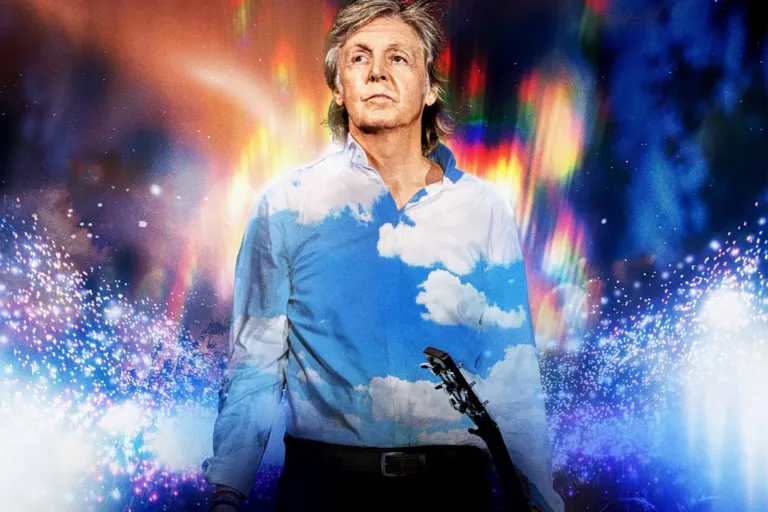
While music rights form the foundation of his wealth, McCartney's net worth is augmented by his continued activity as a performing artist and collector. His recent "Got Back" tour, which spanned 79 concerts between 2022 and 2025, contributed significantly to his liquid capital. This touring success demonstrates that his brand remains commercially potent decades after his initial rise to fame.
McCartney's portfolio is further diversified through high-value tangible assets. These include:
- Global Real Estate: A collection of properties located around the world.
- Fine Art: A prestigious art collection featuring works by masters such as René Magritte and Pablo Picasso.
- Recent Discography: Continued commercial relevance through new releases, such as his 20th solo album, "The Boys of Dungeon Lane," released in May.
According to Forbes, these diverse streams of income—ranging from streaming royalties to the sale of fine art and concert tickets—have solidified his position as one of the wealthiest figures in the music industry. He currently sits behind Jay-Z ($2.8 billion) and Taylor Swift ($2 billion) in the global musician wealth rankings.







