Strategic workforce reductions and the move to India
The airline has confirmed that 850 staff members will be let go starting in mid-2027. This reduction is part of a broader plan to relocate certain business activities to India. While the company has not specified the exact number of jobs that will be moved during this transition, the relocation is tied to a significant redesign of the carrier's information technology infrastructure.
To facilitate this technological pivot, Qantas has entered into an agreement with the consultancy firm Accenture. The partnership focuses on redesigning specific IT systems to support the airline's new operational direction. This structural change reflects a move toward centralized, technology-driven processes that leverage offshore capabilities to manage administrative and technical functions.
Operational restructuring details
- Timeline: Workforce reductions to commence mid-2027.
- Location shift: Specific business sectors moving to India.
- Technical partner: Accenture, tasked with IT system redesign.
The role of artificial intelligence in corporate restructuring
Qantas CEO Vanessa Hudson stated that the company is making a decisive turn toward artificial intelligence to navigate a changing landscape. Hudson emphasized the scale of the technological shift, noting that the speed and breadth of change in the AI sector are unprecedented. According to Hudson, the current rate of evolution in AI is unlike anything businesses have experienced for generations.
The integration of AI is intended to modernize the airline's decision-making and operational efficiency. This transition is not merely a software update but a fundamental shift in how the company utilizes data and automated systems. The leadership suggests that the integration of these technologies is necessary to maintain competitiveness in an era of rapid digital transformation.
Massive fleet renewal and aircraft expansion
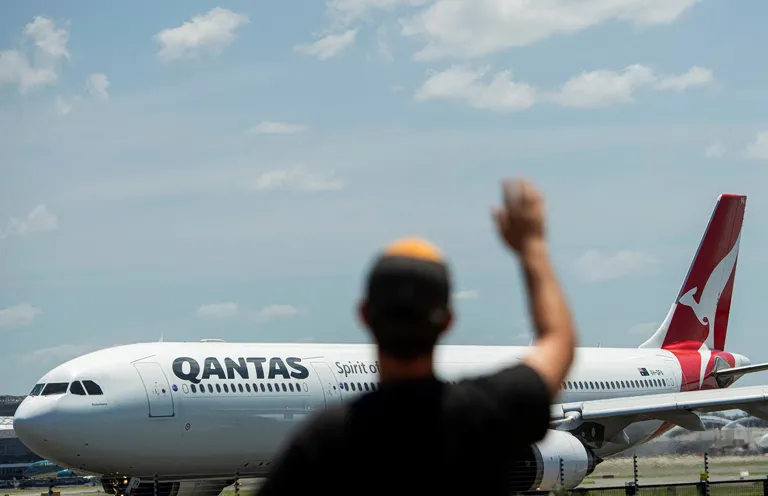
Parallel to the workforce changes, Qantas is embarking on what it describes as the largest fleet renewal in its history. This expansion focuses on increasing capacity and modernizing the aircraft used for its international and domestic routes. The airline is significantly scaling up its acquisition of new planes to support long-term growth targets.
The scale of this renewal is evident in the recent and upcoming delivery numbers. According to company results published earlier this year, Qantas added 17 new aircraft to its fleet during the previous financial year. The company plans to accelerate this pace in the coming year, with 31 new aircraft scheduled for addition.
| Period | New Aircraft Added/Planned |
|---|---|
| Previous Financial Year | 17 |
| Next Financial Year | 31 |
Leadership response to workforce impact
Addressing the human cost of the restructuring, Vanessa Hudson acknowledged the difficulty of the announcement. She stated, "We know that this is bad news for some of our employees and this decision does not reflect their contribution or their commitment." The CEO's comments aimed to distinguish the necessity of the corporate pivot from the individual performance of the affected staff.
The company's strategy appears to be a dual-track approach: aggressive technological modernization through AI and Accenture-led IT redesign, paired with a massive physical expansion of its fleet. While the fleet grows to meet future demand, the internal workforce structure is being streamlined to align with these new, automated, and offshore-supported operational models.