
How has the role of the television changed in recent years?
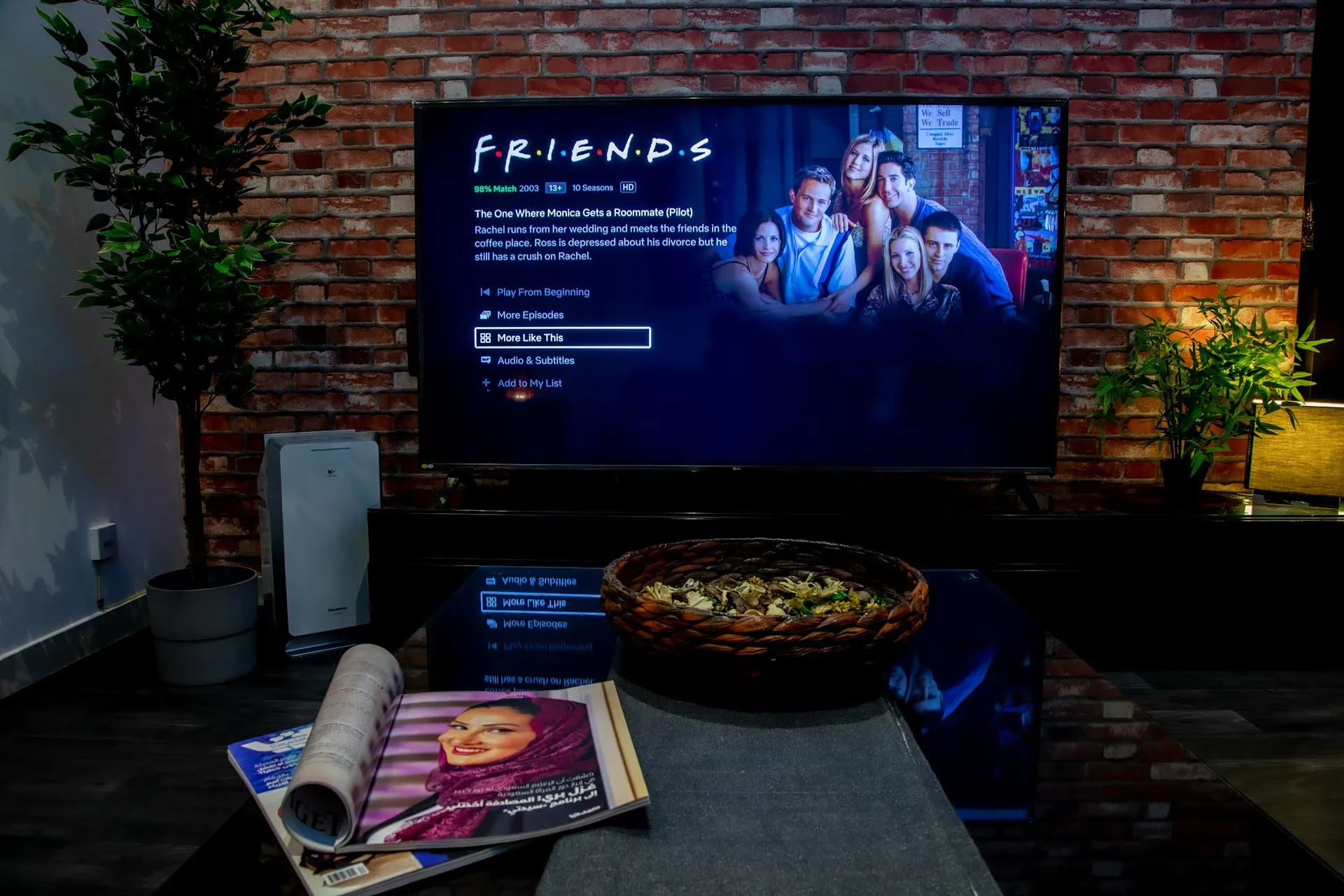
The fundamental shift in television technology is not merely about higher resolution or better color accuracy; it is about how content reaches the viewer. In the past, television viewing was dictated by rigid broadcast schedules, where users waited for specific times to watch preferred programs. Today, the Smart TV acts as a centralized gateway to an endless array of on-demand content.
Streaming services such as Netflix, Disney+, YouTube, and regional platforms like Ertflix have fundamentally altered consumption patterns. Rather than switching between external hardware like DVD players or set-top boxes, modern users access these services directly through built-in applications. This integration reduces the need for extra cables and peripheral devices, creating a more streamlined and immediate user experience.
A modern Smart TV can aggregate various content streams onto a single home screen. This allows a user to transition from a streaming series to a live sports broadcast or a YouTube video without ever leaving the primary interface. The screen has transitioned from a passive receiver to an active, intelligent hub of digital interaction.
How do smartphones and Smart TVs work together?
The increasing interoperability between mobile devices and televisions has become a cornerstone of the modern living room experience. Since smartphones are almost constantly within reach, manufacturers have focused on making the TV an extension of the mobile ecosystem.
Depending on the specific model and the software ecosystem in use, users can perform several seamless actions:
- Screen Mirroring: Projecting the entire mobile interface onto the larger display.
- Content Casting: Sending specific videos, music, or photos from a phone to the TV with a single tap.
- Media Sharing: Displaying high-resolution family photos or travel videos on a 55 or 65-inch screen, providing a much more immersive experience than a handheld device.
These features are often overlooked during the initial purchase phase but become essential components of daily usage. The ability to share media instantly without searching for adapters or cables significantly enhances the social and functional utility of the television.
Why is the Smart TV becoming a vital tool for gamers?
The purpose of the television in the home has diversified, moving beyond simple movie watching to accommodate specialized users, particularly gamers. For many, the television is the centerpiece of a high-performance gaming setup.
To meet this demand, modern Smart TVs are being engineered with specific technical enhancements that cater to the needs of console players. These include:
- High Refresh Rates: Ensuring smoother motion during fast-paced gameplay.
- Variable Refresh Rate (VRR): Synchronizing the TV's refresh rate with the console to prevent screen tearing.
- Low Input Lag: Reducing the delay between a controller input and the action appearing on the screen.
Tailoring the experience to the user
Beyond raw performance, the software side of gaming is also evolving. Modern TVs often include dedicated gaming modes or image profiles that automatically adjust settings when a console is detected. This ensures that whether a user is playing a cinematic adventure or a competitive shooter, the visual output is optimized for that specific genre. This adaptability allows the same device to serve as a high-end home cinema one moment and a professional-grade gaming monitor the next.
What is the impact of operating systems on user experience?
The true value of a Smart TV's advanced features is entirely dependent on the quality and ease of use of its operating system. A powerful processor is of little use if the user interface is cumbersome or difficult to navigate.
Several major ecosystems currently dominate the market, each offering a unique logic for content discovery:
- Samsung Tizen: Known for its integration within the Samsung ecosystem.
- LG webOS: Often praised for its intuitive navigation and interface design.
- Google TV: Offers deep integration with Google services and a vast app library.
When evaluating a model, consumers should look beyond technical specifications listed on the box. Factors such as an organized home screen, intelligent content recommendations, and reliable voice search capabilities are often more critical to daily satisfaction. A user should not have to navigate through multiple complex menus or perform numerous remote control presses just to start a single episode of a series.
How does the Smart TV integrate into the smart home ecosystem?
As the number of connected devices in a household grows, the Smart TV is increasingly assuming the role of a central command center for the smart home. This integration allows the television to act as a visual dashboard for other connected appliances and sensors.
In a compatible ecosystem, a Smart TV can facilitate several home automation tasks:
- Security Monitoring: Viewing live feeds from a smart doorbell or security camera directly on the screen without leaving the sofa.
- Device Control: Managing connected lights, thermostats, or other smart appliances through the TV interface.
- Centralized Notifications: Receiving alerts from various smart devices as visual overlays on the screen.
While home automation might not be the primary reason someone purchases a new television, the trend toward integrated living makes this capability a significant part of the modern TV's value proposition. The television is becoming the visual interface for the entire connected household.
Key takeaways
- Smart TVs have transitioned from simple broadcast receivers to integrated, multi-functional entertainment platforms.
- Streaming service integration reduces the need for external hardware and simplifies content access.
- Mobile connectivity allows for seamless screen mirroring and media sharing between smartphones and TVs.
- Gaming-specific features like VRR and low latency make TVs essential for modern console setups.
- The operating system's ease of use and navigation are as critical as hardware specifications.
- Smart TVs can serve as central hubs for controlling other smart home devices and security systems.
Frequently asked questions
What should I prioritize when buying a Smart TV for movies?
If your primary goal is watching films and series, you should prioritize image quality, such as resolution and contrast ratios, alongside robust support for your preferred streaming services. Ensuring the TV supports the specific high-definition formats used by your subscriptions is essential for the best experience.
How do I choose a TV for gaming?
Gamers should focus on technical specifications that minimize latency and maximize smoothness. Look for features such as high refresh rates, Variable Refresh Rate (VRR) support, and low input lag. Additionally, check for dedicated gaming modes that optimize picture settings for different types of gameplay.
Does the operating system matter?
Yes, the operating system is crucial for daily usability. A well-designed interface like Google TV or webOS ensures that you can find apps and content quickly. Prioritize systems that offer intuitive navigation, fast response times, and effective voice search to avoid frustration.
Can a Smart TV control my smart home?
A Smart TV can act as a central hub if it is part of a compatible smart home ecosystem. This allows you to perform tasks such as viewing doorbell camera feeds or controlling smart lights directly through the television's interface, enhancing convenience.
Why is smartphone connectivity important in a TV?
Smartphone connectivity allows for seamless interaction between your most used device and your television. Features like screen mirroring and content casting make it easy to display photos, videos, or mobile apps on a much larger, more immersive screen without needing extra cables.
Conclusion
The evolution of the Smart TV marks a fundamental change in how we interact with media and our living spaces. No longer confined to linear broadcasting, the modern television serves as a versatile platform for streaming, gaming, and smart home management. To make an informed purchase, consumers must look beyond mere screen size and focus on their specific usage patterns—whether that involves high-performance gaming, cinematic immersion, or seamless mobile integration. As ecosystems continue to converge, the Smart TV will undoubtedly remain the central technological anchor of the modern home.







