A continuation of comedic success
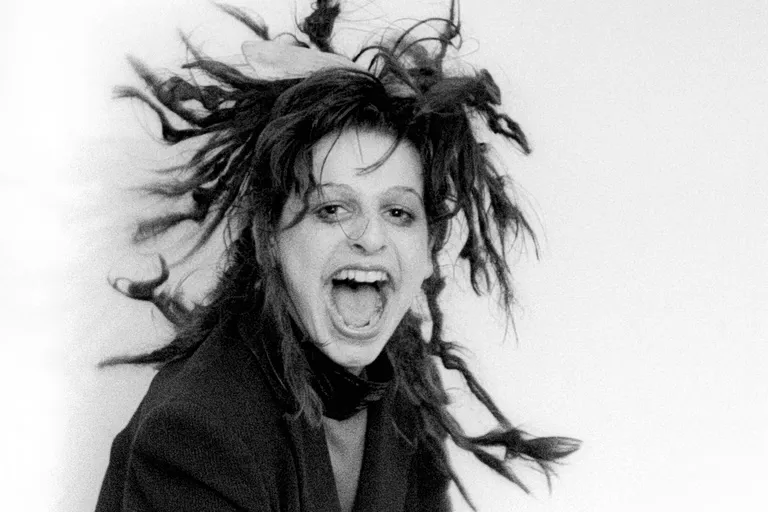
Sofia Moutidou is returning to the Mikro Pallas theater following the significant impact of her previous stand-up performance, 'Hujia or Death.' This new production marks a continued evolution in her career as a prominent voice in Greek observational comedy. The performer is leveraging the momentum from her past successes to dive deeper into the sociological observations that have become her trademark.
The transition from her previous work to this new stage suggests a growing appetite for content that mirrors the complexities of contemporary Greek life. By returning to a familiar venue like Mikro Pallas, Moutidou establishes a consistent connection with an audience that seeks more than just simple jokes; they seek a reflection of their own lived experiences through a comedic lens.
The creative collaboration behind the script
The new show, titled 'But You Are Them!' (Αλλά αυτοί είστε!), is the result of a specialized collaborative effort. Moutidou has once again teamed up with the creative minds behind the popular 'Ancient Memes' page, Kostas Toulakis and Isminis Villiotis. This partnership is central to the show's identity, blending professional comedic timing with the sharp, internet-savvy wit that the creators are known for.
The involvement of the Ancient Memes team implies a specific stylistic approach to the writing. Their background in digital satire suggests that the script will likely incorporate modern cultural references and a fast-paced, observational rhythm. By combining Moutidou's stage presence with this specific writing style, the production aims to bridge the gap between traditional stand-up and the rapid-fire social commentary found in modern digital spaces.
A team of specialists
The synergy between the performers and the writers creates a unique comedic texture. This collaboration ensures that the material is not only structurally sound for the stage but also culturally relevant to a demographic that consumes high levels of social media satire.
Exploring the archetypes of Greek society
The core theme of 'But You Are Them!' revolves around the various 'types' of Greek people encountered in everyday life. The performance seeks to dissect the social archetypes that appear in domestic settings, workplaces, romantic relationships, social gatherings, and the digital landscape. It is an investigation into the behaviors that characterize the Greek national character, often through the lens of what is 'strange' or 'unconventional.'
Moutidou’s approach involves capturing the small and large eccentricities that define daily existence in Greece. The show targets those specific behaviors that trigger annoyance, confusion, or amazement in others, yet are instantly recognizable when observed in a neighbor, a colleague, or a stranger. This recognition is the engine of the comedy, turning shared frustrations into moments of collective laughter.
The psychological impact of social recognition
The title itself, 'But You Are Them!', serves as a multifaceted commentary on identity. Depending on the context, the phrase can function as a simple observation, a direct accusation, a social categorization, or even a gesture of resignation. It captures the moment when an individual realizes that the very behaviors they criticize in others are present within themselves or their own community.
This layer of self-reflection elevates the show from standard stand-up to a form of social analysis. The audience is invited to laugh not just at the characters on stage, but at the mirror being held up to their own habits. The humor stems from the paradox of seeing oneself in the very people one finds most perplexing, creating a sense of shared humanity through the acknowledgment of shared flaws.