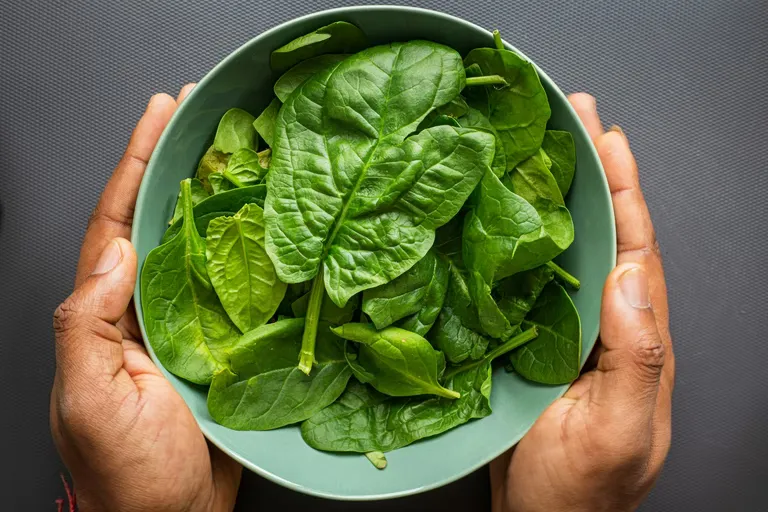
What are the primary vitamins and minerals in spinach?
Spinach serves as a dense source of essential micronutrients that facilitate various biological processes. It is particularly rich in vitamins A, C, E, and K, which are critical for immune function, skin health, and antioxidant protection. The presence of folate (vitamin B9), magnesium, and potassium further elevates its nutritional profile, making it one of the most nutrient-dense leafy greens available.
The specific role of these nutrients is vital for systemic health. For instance, vitamin K plays a fundamental role in maintaining bone density and ensuring proper blood coagulation. Meanwhile, folate is indispensable for the production of new cells and is a critical nutrient during pregnancy to help prevent neural tube defects in developing embryos. Additionally, the vegetable contains antioxidants such as lutein and beta-carotene, which protect cells from oxidative stress.
Key micronutrient breakdown
Understanding the specific contributions of these nutrients helps in appreciating why spinach is a staple in health-conscious diets. While vitamins like A and C support the immune system and cellular repair, minerals like magnesium are involved in hundreds of enzymatic reactions in the body. The combination of these elements creates a synergistic effect that supports overall vitality.
How does spinach affect cardiovascular health?
Spinach contributes to cardiovascular wellness primarily through its high concentration of dietary nitrates. When consumed, these nitrates are converted into nitric oxide within the body, a molecule that aids in the relaxation of blood vessels. This process facilitates smoother blood flow and can support healthy blood pressure levels. Furthermore, the antioxidants present in the leaves help mitigate oxidative stress, a known contributor to various cardiovascular complications.
However, it is essential to view spinach as a supportive component of a heart-healthy lifestyle rather than a medical intervention. It is not a replacement for prescribed treatments for hypertension or high cholesterol. Its efficacy is heavily dependent on the broader dietary pattern and the individual's overall lifestyle choices, including exercise and the avoidance of processed foods.
Can spinach assist in weight management and glucose control?
The high fiber content and low caloric density of spinach make it an excellent tool for managing body weight and satiety. Because it provides significant volume without a high energy load, it can help individuals feel full, which may prevent overconsumption of calories during meals. This makes it a strategic addition to weight management protocols.
Beyond weight, spinach plays a role in metabolic regulation. The dietary fiber aids in healthy intestinal function and can assist in the more gradual regulation of blood glucose levels following a meal. Additionally, the magnesium content in spinach supports normal metabolic functions, which is crucial for energy production and insulin sensitivity. Much like its cardiovascular benefits, spinach should be viewed as a dietary aid rather than a substitute for medical treatments for diabetes.
What role does spinach play in brain and eye health?
Spinach contains specific carotenoids, namely lutein and zeaxanthin, which are known to accumulate in the retina of the eye. These compounds provide a layer of protection against oxidative damage, which is vital for maintaining long-term vision health. Regular intake of these pigments is closely linked to the preservation of ocular integrity.
The neurological benefits of spinach are also supported by its nutrient density. Folate and vitamin K are essential components for maintaining the healthy functioning of the nervous system. According to a study published in the journal Pharmacognosy Reviews, the consumption of green leafy vegetables has been associated with improved cognitive function. It is important to clarify, however, that while these nutrients support brain health, consuming spinach does not inherently prevent neurodegenerative conditions such as Alzheimer's disease or dementia.
How can you maximize the nutritional value of spinach in your diet?
Incorporating spinach into a daily routine is highly versatile, as it can be consumed raw in salads or cooked in various forms such as omelets, soups, pies, and stews. The method of preparation can influence the bioavailability of certain nutrients, and varying the cooking style allows for a broader spectrum of nutrient uptake.
One specific nutritional challenge involves the iron content in spinach. While the vegetable is a source of iron, the bioavailability of this plant-based iron is relatively low compared to animal sources. To overcome this, consumers should pair spinach with foods rich in vitamin C, such as lemon juice or bell peppers. This combination significantly enhances the absorption of non-heme iron in the digestive tract.
Practical preparation tips
To get the most out of your spinach, consider these strategies:
- Pair with acidity: Squeezing lemon over sautéed spinach helps unlock the iron.
- Mix and match: Combine raw spinach in salads with vitamin C-rich fruits like strawberries.
- Vary textures: Rotate between fresh leaves and cooked versions to access different nutrient profiles.
Frequently asked questions
Does eating spinach improve vision?
Spinach contains lutein and zeaxanthin, which are carotenoids that protect the retina from oxidative stress. While regular consumption supports eye health and may help protect against age-related vision issues, it is not a cure for existing ocular diseases and should complement professional eye care.
Is spinach a good source of iron for vegetarians?
Yes, spinach is a plant-based source of iron, but its absorption is limited. To improve uptake, it is highly recommended to consume spinach alongside vitamin C-rich foods like citrus fruits or peppers, which helps convert the iron into a form more easily used by the body.
Can spinach help lower blood pressure?
Spinach contains nitrates that help relax blood vessels and improve blood flow, which can support healthy blood pressure. However, it is not a medical treatment for hypertension. It should be part of a balanced diet and not a replacement for medication prescribed by a doctor.
Is raw spinach better than cooked spinach?
Both methods offer unique benefits. Raw spinach preserves heat-sensitive vitamins like vitamin C, while cooking can actually increase the bioavailability of certain antioxidants and make the vegetable easier to digest. Rotating between raw and cooked forms provides a more diverse nutrient intake.
Does spinach prevent dementia?
Research, including studies in Pharmacognosy Reviews, suggests that leafy greens are linked to better cognitive function. However, spinach is not a preventative cure for dementia or Alzheimer's disease. It is a nutritional support for the brain rather than a medical preventative.
Key takeaways
- Spinach is a nutrient-dense source of vitamins A, C, E, K, and folate.
- Natural nitrates in spinach support cardiovascular health by aiding blood vessel relaxation.
- Lutein and zeaxanthin in the leaves provide essential protection for eye health.
- Pairing spinach with vitamin C enhances the absorption of its plant-based iron.
- High fiber and low calorie counts make it effective for weight management.
Conclusion
Spinach is far more than a dietary cliché; it is a functional food that offers significant nutritional advantages. From supporting the cardiovascular and nervous systems to protecting ocular health, its micronutrient profile is exceptionally robust. While it is not a