What ingredients are required for this tagliatelle recipe?
The recipe relies on a balance of fresh vegetables, aromatic herbs, and high-quality pasta to ensure a flavorful result. To prepare this dish, you will need to gather the following components:
- 160g Tagliatelle pasta
- 250g Cherry tomatoes
- 1 small zucchini (grated)
- 1 small onion (finely chopped)
- 1 clove of garlic (finely chopped)
- 100g Low-fat mozzarella
- 1 tbsp Olive oil
- 1 tsp Dried oregano
- 1 tsp Thyme or basil
- A handful of fresh basil
- Salt and pepper to taste
- Optional: A pinch of peperoncino (chili flakes)
- 2-3 tbsp Pasta cooking water
How do you prepare the fresh tomato and zucchini sauce?
The foundation of the dish is a vibrant sauce created by sautéing aromatics and simmering fresh vegetables. The process begins by heating one tablespoon of olive oil in a non-stick pan. Once heated, add the finely chopped onion and garlic, sautéing them for approximately 2 to 3 minutes until they become fragrant and soft.
After the aromatics are ready, add the grated zucchini to the pan. Continue sautéing the mixture for another 3 to 4 minutes. The goal is to cook the zucchini until it reaches a softened consistency, which allows it to integrate seamlessly with the tomato base.
Developing the tomato base
Once the zucchini is soft, introduce the cherry tomatoes, which should be cut in half. To build the flavor profile, season the mixture with dried oregano, thyme (or basil), salt, pepper, and the optional peperoncino for those who prefer a spicy kick. Reduce the heat to medium and allow the mixture to simmer for 10 to 12 minutes. During this time, the tomatoes will break down, releasing their juices to form a rich, deep red sauce.
What is the secret to a creamy pasta sauce?
A crucial technique in this recipe is the strategic use of starchy pasta water to emulsify the sauce. Instead of adding extra oil or heavy cream, you should incorporate 2 to 3 tablespoons of the water used to boil the tagliatelle directly into the tomato and zucchini mixture.
This starchy water acts as a binding agent, helping the sauce coat the pasta evenly and creating a creamy mouthfeel. Once the sauce has reached the desired consistency, add the cooked tagliatelle to the pan. Toss the pasta thoroughly to ensure every strand is well-coated with the tomato and zucchini sauce.
How should the dish be served and finished?
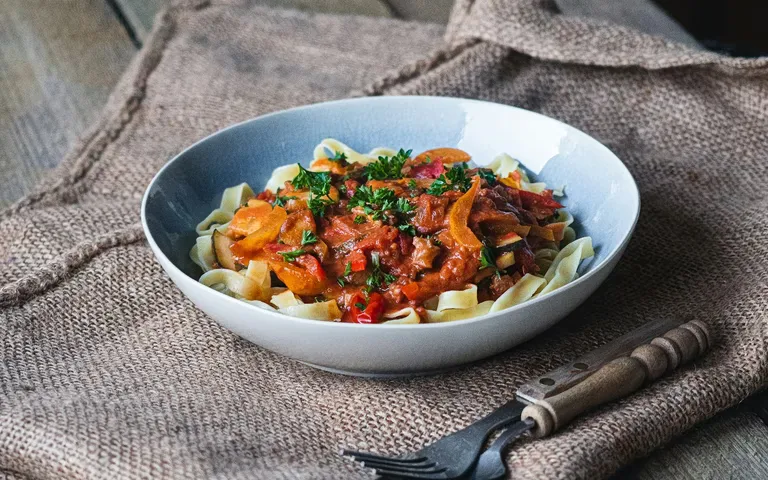
The final presentation involves adding cheese and fresh herbs to enhance both the flavor and the visual appeal. To serve, distribute the pasta onto plates and garnish with small pieces of the low-fat mozzarella and fresh basil leaves.
To achieve an optimal melt, follow this specific method: place the mozzarella pieces on top of the hot pasta and cover the pan or plate for 1 to 2 minutes. This gentle steaming process ensures the cheese melts uniformly across the dish without becoming oily or overly rubbery.
Frequently asked questions
Can I use different types of pasta?
Yes, while tagliatelle is recommended for its ability to hold the sauce, you can substitute it with other long pasta shapes like linguine or spaghetti. The key is to ensure the pasta shape complements the texture of the grated zucchini and tomato sauce.
How can I make this recipe vegan?
To make this recipe vegan, simply omit the low-fat mozzarella. You can replace it with nutritional yeast or a plant-based cheese alternative. The rest of the ingredients, including the olive oil and fresh vegetables, are already suitable for a vegan diet.
What if I don't have fresh basil?
If fresh basil is unavailable, you can use the dried version mentioned in the ingredients. However, for the final garnish, using dried herbs may not provide the same aromatic freshness as the fresh basil recommended in the original recipe.
Why is grating the zucchini important?
Grating the zucchini allows it to cook much faster and helps it dissolve into the sauce. This creates a consistent texture throughout the meal, making the vegetable a natural part of the sauce rather than a separate, chunky ingredient.
Can I add more protein to this dish?
Absolutely. While this is a vegetable-focused recipe, you could add grilled chicken, sautéed shrimp, or even chickpeas to increase the protein content. Ensure any added protein is seasoned to complement the Mediterranean flavors of the tomato and herbs.
Key takeaways
- Use starchy pasta water to create a creamy sauce without extra oil.
- Simmer cherry tomatoes for 10-12 minutes to develop a rich sauce.
- Grate the zucchini to ensure a smooth integration with the pasta.
- Cover the dish briefly to melt the mozzarella uniformly.
Conclusion
This tagliatelle recipe offers a sophisticated yet accessible way to enjoy fresh, seasonal ingredients. By focusing on simple techniques—such as using pasta water for creaminess and simmering tomatoes to extract maximum flavor—you can create a nutritious meal that is both satisfying and quick to prepare. Whether you are looking for a light lunch or a simple weekday dinner, the combination of aromatic herbs, grated zucchini, and melted mozzarella provides a perfect Mediterranean dining experience that celebrates freshness and ease.