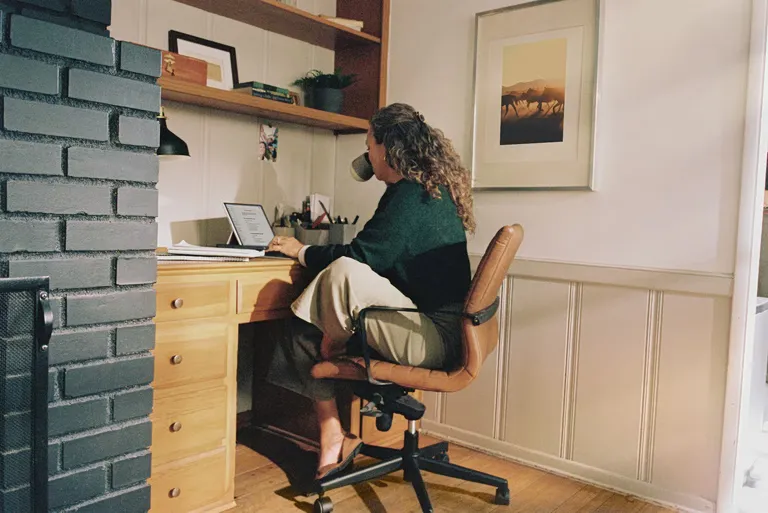
How has telework increased free time for employees?
Telework has significantly increased free time for employees by eliminating commute times. In the US, the average commute is about 40 minutes each way. Working from home saves approximately 1.5 hours per day, which can be used for sleep, exercise, cooking, and childcare. This time savings is particularly beneficial for parents, allowing greater involvement in their children's lives.
What impact has telework had on workforce participation?
Telework has opened new opportunities for those previously facing barriers to employment, such as individuals with disabilities. The flexibility of remote work has enabled more people to join the workforce, potentially increasing labor force participation by 1-2 percentage points and boosting GDP by 1-2%. This shift could add $300 to $600 billion in economic value.
How has telework influenced birth rates?
Telework has contributed to a slight increase in birth rates. The flexibility it offers allows for better family planning and childcare management. Research indicates a 5% increase in fertility rates among remote workers in the US and Northern Europe, particularly among women over 30 with higher education and existing children.
What environmental benefits have resulted from telework?
Reduced commuting has led to improved air quality, with US cities reporting an 8% decrease in nitrogen dioxide levels compared to 2019. This reduction is linked to fewer respiratory and cardiovascular issues, potentially preventing 1,500 to 3,500 deaths annually. Telework's environmental impact highlights the broader public health benefits of reduced daily commutes.
What challenges do urban centers face due to telework?
Urban centers face economic challenges from reduced office occupancy. In cities like San Francisco, office vacancy rates have soared, impacting commercial real estate and municipal budgets. Public transit systems, reliant on commuter fares, struggle financially. For instance, San Francisco's BART system now covers only 23% of its operating costs from fares, down from 70%.
How is AI influencing telework?
AI is increasingly integrated into telework, enhancing productivity and creating new job opportunities. However, it also raises concerns about job displacement and the need for reskilling. As AI technologies evolve, they will continue to shape the telework landscape, influencing how tasks are performed and the skills required for future jobs.
Frequently asked questions
What percentage of workdays are remote in the US?
Approximately 26% of workdays in the US are remote, a significant increase from pre-pandemic levels.
How does telework affect family life?
Telework allows for more flexible schedules, enabling parents to spend more time with their children and manage household responsibilities better.
What economic impact does telework have?
Telework can increase labor force participation and GDP, adding $300 to $600 billion in economic value by enabling more people to work.
How does telework benefit the environment?
Telework reduces commuting, leading to improved air quality and fewer health issues related to pollution, potentially saving thousands of lives annually.
What challenges do cities face due to telework?
Cities face economic challenges from reduced office occupancy and public transit revenue, impacting commercial real estate and municipal budgets.
Key takeaways
- Telework saves employees significant commute time, increasing free time for personal activities.
- Remote work boosts workforce participation, particularly for individuals with disabilities and women.
- Telework contributes to a slight increase in birth rates due to greater flexibility.
- Reduced commuting improves air quality, benefiting public health.
- Urban centers face economic challenges from decreased office occupancy and transit revenue.