Thomas Lipton's 1579 collection as a proto-social media feed
Thomas Lipton’s 'A Thousand Notable Things' utilized a structural approach to information delivery that closely resembles the scrolling experience of contemporary platforms like TikTok or Instagram. Rather than following a cohesive narrative or a singular academic theme, the book presented a fragmented collection of roughly 1,000 short entries. Readers could transition instantly from practical advice on preserving wine to a sentimental story about a loyal dog, followed immediately by dermatological tips or weight loss secrets, a recipe for cake, or astrological predictions.
Lipton explicitly designed the book to capitalize on the human tendency toward distraction. In the book's prologue, he argued that variety and the strange were preferable to prolonged engagement with a single subject. He believed that reading many small snippets was more attractive than committing to an extensive, singular work. This approach proved exceptionally successful; the book saw at least 33 editions and remained in circulation until 1827, nearly 250 years after its initial publication.
The success of Lipton's work was tied to the broader popularity of what were known as 'books of secrets.' Originating in Italy, these manuals promised to reveal specialized knowledge across various fields, including medicine, alchemy, cosmetics, brewing, and beekeeping. These guides circulated widely throughout Europe from the 16th to the 18th century and played a significant role in shaping the scientific culture of the era.
From magical filters to dangerous remedies
While the variety kept readers engaged, the reliability of the information was often questionable. Lipton’s collection included suggestions that modern science would deem hazardous. For instance, he recommended the use of belladonna (nightshade) to treat insomnia and suggested placing mercury under one's pillow as a defense against magic. Today, we recognize both substances as highly toxic.
Many entries were rooted in folk beliefs rather than empirical science. These included superstitions such as the idea that a pregnant woman sleeping on her right side would give birth to a girl, or that dreaming of eagles was a harbinger of good luck. Despite these inaccuracies, some of the information was considered pioneering for its time. Lipton frequently drew content from Antoine Messot, a professor of medicine in Paris and an advisor to Queen Margaret of Valois.
Ultimately, the appeal of the book lay not necessarily in the effectiveness of its advice, but in its unique combination of practical knowledge, curiosity, and entertainment. It provided a blend of the useful and the bizarre that catered to the reader's whims.
What readers sought 400 years ago
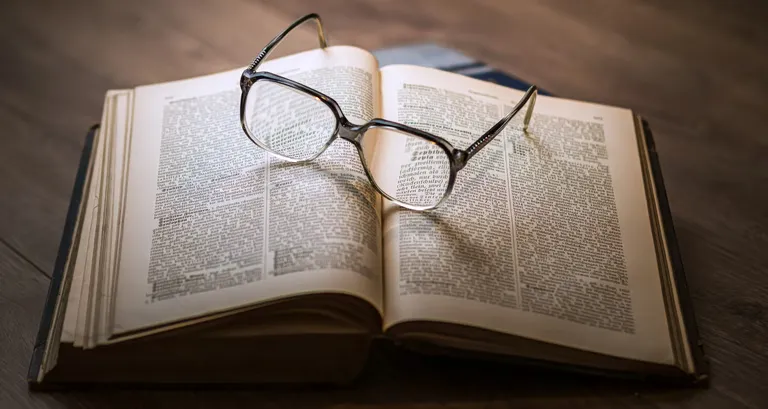
The specific interests of historical readers can be pieced together through surviving copies containing handwritten notes. These annotations offer a window into what truly captured the public's attention during the centuries following the book's release.
A 1612 copy, currently held at the University of Glasgow, contains reader notes focused on medical concerns such as heart problems, ulcers, stomach disorders, and nutrition. Another specimen from 1706 features marginalia next to 38 primary medical tips, ranging from treatments for headaches and toothaches to methods for addressing dyspnea (shortness of breath) and insomnia.
Other readers were drawn to the more sensational and macabre elements of the collection. In a copy from the Wellcome Collection, researchers noted the case of a German farmer who was believed to have had pieces of wood and four steel knives inside his body—an occurrence attributed to the Devil. These notes demonstrate that the hunger for the strange and the unexplained was just as potent in the past as it is in the digital age.
The 'brain rot' debate: A historical perspective
The modern discussion regarding 'brain rot'—the perceived mental decline associated with excessive consumption of digital content—has deep historical roots. As early as the 16th century, commentators expressed anxiety regarding the impact of mass entertainment, distractions, and information overload on the human mind.
Lipton, however, viewed his method through a different lens. He believed that these short, accessible texts could democratize knowledge. By offering bite-sized information, he provided ordinary people with access to insights that would otherwise require the resources of entire libraries. In this sense, his work served as a tool for information accessibility, even if the delivery was fragmented.
Today, these historical texts are being studied through a collaboration between the University of Glasgow and the German Herzog August Library. They are scheduled to be featured in an exhibition at Glasgow from January to March 2027. The history of 'A Thousand Notable Things' suggests that despite radical technological shifts, human curiosity, the search for easy solutions, and the enduring attraction to the bizarre remain remarkably constant across the centuries.