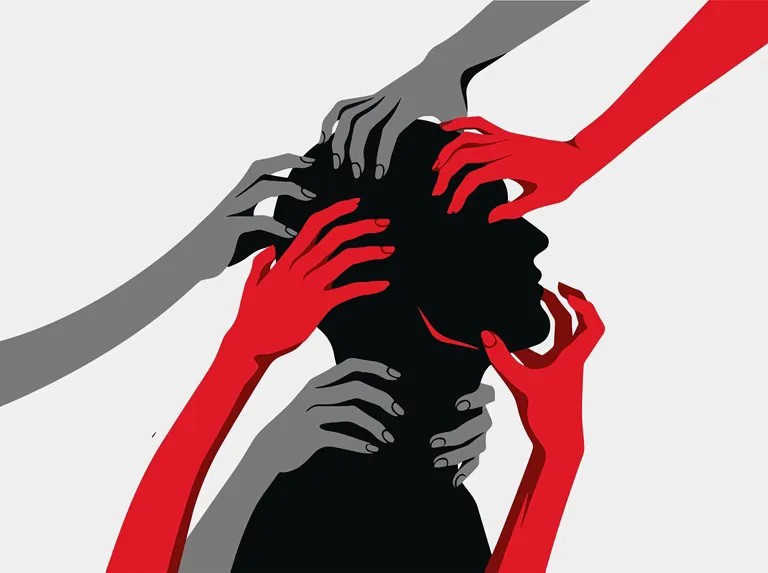
Why are panic attacks more common than most people realize?
Panic attacks are far more widespread than individual experience might suggest, often leading sufferers to feel isolated in their struggle. The perception of being alone in this experience is frequently a misconception driven by the stigma surrounding mental health issues.
Statistical data highlights the broad reach of these episodes. According to official figures, approximately 11% of people in the United States experience a panic attack every year. Furthermore, as many as 35% of the population may face at least one such episode during their lifetime. Recognizing that these occurrences are a shared human reality can be a vital first step in reducing the shame and social isolation that often accompany the condition.
How do panic attacks differ from medical emergencies?
One of the most distressing aspects of a panic attack is that its physical manifestations can closely mimic life-threatening medical conditions. This similarity often leads to high levels of distress and unnecessary emergency medical visits.
Commonly, individuals seek urgent care because they experience sharp chest pains, severe dyspnea (shortness of breath), or an overwhelming fear that they are suffering a myocardial infarction (heart attack). Experts explain that these sensations are the result of "somatic mimicry," where the body's intense physiological response produces symptoms that look like other pathologies. While the experience is undeniably frightening and physically taxing, a panic attack itself does not constitute a direct medical emergency or a physical danger to the body.
Distinguishing between anxiety and physical illness
Understanding the distinction between a panic attack and a cardiac event is crucial for reducing the secondary fear that fuels future attacks. When the brain perceives a physical symptom, it may enter a feedback loop: the symptom triggers fear, and the fear triggers more intense physical symptoms. Learning to identify these as somatic responses to anxiety rather than signs of organ failure can help break this cycle.
What are the most effective ways to seek professional help?
Seeking professional assistance should be viewed as a proactive strength rather than a sign of personal failure or weakness. Many individuals attempt to manage these episodes in isolation, but clinical intervention offers structured tools for long-term recovery.
Psychotherapy serves as a cornerstone in the management of panic disorders. Research indicates that specific therapeutic modalities are highly effective at reducing anxiety symptoms. Cognitive Behavioral Therapy (CBT) is a primary example, alongside specialized panic control techniques. These approaches help individuals understand the complex interplay between their thoughts, their physiological responses, and their behaviors. By working with a specialist, a person can learn to decode what is happening within their mind and body, transforming a chaotic experience into a manageable one.
How can daily habits impact anxiety levels?
Managing panic often involves more than just crisis intervention; it requires consistent, small-scale adjustments to daily lifestyle habits. These routine changes act as a foundation for stabilizing the nervous system and lowering the overall threshold for anxiety.
Effective management is frequently built upon several key pillars of wellness:
- Sleep Hygiene: Maintaining a regular and sufficient sleep schedule helps regulate mood and cognitive function.
- Nutrition: A balanced diet provides the steady energy levels required to prevent mood fluctuations.
- Hydration: Proper hydration is essential for overall physiological stability.
- Caffeine Management: Being mindful of caffeine intake is critical, as stimulants can mimic or trigger the physical symptoms of anxiety.
While these changes may seem minor, their cumulative effect on the body's baseline stress levels can be significant in preventing the onset of acute episodes.
What is the biological mechanism behind a panic attack?
At its core, a panic attack is an overactivation of the "fight or flight" response, an ancient survival mechanism designed to protect the organism from immediate danger.
This system is an evolutionary safeguard that prepares the body to either confront a threat or flee from it. During a panic attack, this system is triggered erroneously, as if a life-threatening emergency were present, even when the environment is safe. The surge of adrenaline and the subsequent physical symptoms are the body's attempt to prepare for a battle that isn't actually happening. By understanding that these sensations are simply a biological system functioning too intensely, individuals can begin to reframe the experience. Learning to tell oneself, "I am safe," can help de-escalate the nervous system by acknowledging that while the feelings are intense, they are not dangerous.
FAQ: Panic attacks
Are panic attacks dangerous to my health?
Panic attacks are not physically dangerous. Although the symptoms, such as chest pain and shortness of breath, can feel like a medical emergency, they are somatic responses to anxiety and do not cause physical harm to the body or organs.
What is the best therapy for panic attacks?
Cognitive Behavioral Therapy (CBT) is widely recognized as a highly effective approach. It helps patients identify and change the thought patterns and behaviors that contribute to panic, providing them with practical tools to manage future episodes effectively.
Why do I feel like I am having a heart attack?
You feel this way due to somatic mimicry. The intense physiological arousal caused by the fight-or-flight response produces symptoms like rapid heart rate and chest pressure, which the brain may incorrectly interpret as a cardiac event.
Can lifestyle changes really help prevent panic?
Yes, lifestyle changes such as improving sleep, maintaining proper hydration, and reducing caffeine intake can stabilize your mood and lower your baseline anxiety, making you less susceptible to the sudden triggers of a panic attack.
How can I calm down during an attack?
Recognizing that the attack is a temporary biological response is key. Reminding yourself that you are safe and that the symptoms are not life-threatening can help reduce the fear that intensifies the episode.
Key takeaways
- Up to 35% of people may experience at least one panic attack in their lifetime.
- Panic attack symptoms often mimic medical emergencies through a process called somatic mimicry.
- Cognitive Behavioral Therapy (CBT) is a proven method for reducing anxiety symptoms.
- Panic attacks are caused by an overactive fight-or-flight survival mechanism.
- Daily habits like sleep and caffeine control significantly impact anxiety levels.
Conclusion
While panic attacks can feel like an overwhelming loss of control, they are a manageable part of the human experience. Understanding the biological reality—that these episodes are simply an overactive survival mechanism—can strip them of their power. Through a combination of professional support, such as CBT, and consistent lifestyle management, individuals can move from a state of fear to a state of confidence. Knowledge is the primary tool for reclaiming stability; by recognizing that these intense physical sensations are not dangerous, one can find a path toward a life defined by freedom rather than anxiety.