How did the 2026 midterm elections reshape the path to 2028?
The 2026 midterm elections triggered a massive political upheaval in the United States, with Democrats securing significant victories that shifted the balance of power in Washington. These results do more than just influence the current functioning of Congress; they are actively rewriting the roadmap for the 2028 presidential race. By winning in traditionally conservative strongholds, the Democratic Party has demonstrated a new capacity to expand its electoral map, potentially altering the math required to reach the 270 electoral votes necessary for victory.
For the Republican Party, the midterm results represent a moment of profound strategic crisis. The party is currently grappling with a fundamental dilemma: whether to double down on the MAGA (Make America Great Again) movement and seek to consolidate that coalition, or to pivot toward a different ideological direction to regain lost ground. The electoral setback following the Trump era has forced a reassessment of how the party engages with a changing electorate.
Who are the leading Democratic contenders for the presidency?
The Democratic field is diversifying, with potential candidates emerging from various ideological corners of the party, ranging from progressive firebrands to moderate governors. According to reports from CNN, several figures are already building their political profiles in anticipation of the 2028 cycle.
The Rise of the Democratic Governors
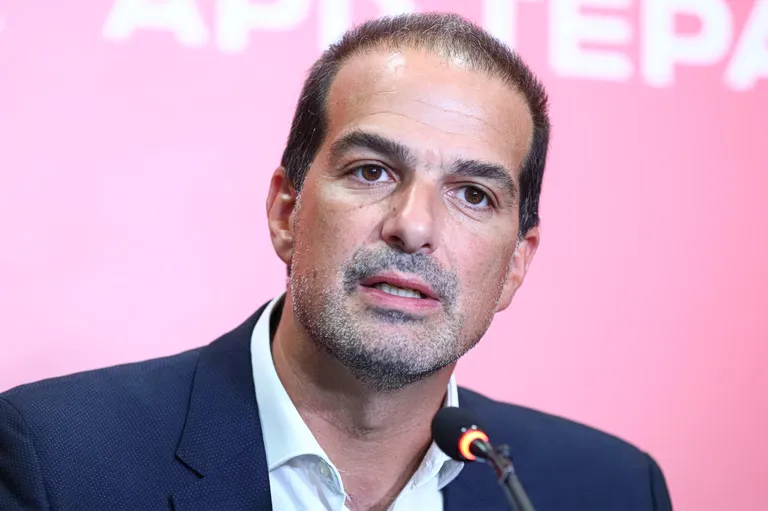
Governors from key battleground states are positioning themselves as pragmatic leaders capable of winning national elections. Josh Shapiro, the Governor of Pennsylvania, stands out as a major winner of the 2026 cycle. Having been re-elected with a margin exceeding 20 percentage points, Shapiro’s dominance in a critical swing state significantly bolsters his national standing, despite his previous hesitations regarding a presidential run.
Similarly, Gavin Newsom, the Governor of California, has played a pivotal role in Democratic strategy. Newsom has been instrumental in redistricting efforts that helped the party secure five additional seats in the House. Beyond administrative strategy, Newsom has used his platform to draw sharp contrasts with Donald Trump, recently announcing the conversion of death sentences for 548 inmates in California to signal a definitive ideological opposition to the former President's stances.
In the Midwest, Illinois Governor JB Pritzker has utilized his economic influence to support Democratic candidates in crucial races, such as Tina Hinososa in Texas. Meanwhile, Kentucky Governor Andy Beshear represents the moderate wing of the party. As head of the Democratic Governors Association, Beshear contributed to wins in states like Ohio, Iowa, and Kansas, though he has faced some criticism regarding the level of support provided to specific candidates in Texas.
Legislative and Grassroots Leaders
The Democratic field also includes influential legislative figures and leaders with strong grassroots connections. Raphael Warnock, the Senator from Georgia and a Protestant minister, is viewed as a potential candidate, particularly if the party focuses on mobilizing African American voters in the South. Warnock has previously indicated intentions to hold a high political office in 2028, though he has not specified whether this refers to the Senate or the presidency.
Pete Buttigieg, the former Transportation Secretary and Mayor of South Bend, remains a key figure for those seeking to bridge the gap between the traditional Democratic base and moderate voters in the American heartland. His extensive campaigning across 38 states during the midterms has reinforced his national visibility. Additionally, figures like Alexandria Ocasio-Cortez continue to command significant support among the progressive base, while former Vice President Kamala Harris and Senator Jon Ossoff remain names frequently discussed in political circles, despite Ossoff's repeated claims that he has no interest in the presidency.
What challenges face the Republican Party's succession?
The Republican Party is currently searching for a successor to the Trump era and a coherent strategy to navigate its recent electoral losses. The focus within the party has increasingly turned toward Vice President JD Vance, who finds himself at the center of the post-election landscape.
As a potential political heir to Donald Trump, Vance faces the difficult task of managing the fallout from the party's recent failures. He has already encountered significant political friction, notably attributing much of the electoral loss to the ongoing conflict with Iran. This puts Vance in a precarious position: he must navigate the complexities of foreign policy and the potential for ending conflicts without alienating the core MAGA base that remains loyal to Trump's original movement.
How is the political landscape shifting between moderates and progressives?
The 2028 race is shaping up to be a battle for the soul of both parties, with internal tensions between moderate and progressive factions set to intensify. Within the Democratic Party, the success of moderate governors like Beshear and Shapiro provides a counter-narrative to the influence of the progressive wing represented by figures like Ocasio-Cortez.
On the Republican side, the struggle is between maintaining the populist energy of the MAGA movement and finding a way to appeal to a broader electorate that may have been alienated by recent outcomes. The ability of either party to unify these competing factions will likely determine the ultimate winner in 2028. The 2026 midterms have essentially served as a laboratory for these different political styles, proving that both moderate and progressive approaches can yield significant electoral gains under the right circumstances.
FAQ: 2028 US Presidential Succession
What was the impact of the 2026 midterm elections?
The 2026 midterm elections resulted in major Democratic victories, shifting the balance of power in Washington and providing the party with new strategic advantages. These wins in key states have altered the electoral math for the 2028 presidential race, creating new momentum for various Democratic contenders.
Who are the most prominent Democratic candidates for 2028?
Prominent Democratic names include Pennsylvania Governor Josh Shapiro, California Governor Gavin Newsom, Georgia Senator Raphael Warnock, and former Transportation Secretary Pete Buttigieg. Other figures being discussed include Illinois Governor JB Pritzker, Kentucky Governor Andy Beshear, and progressive leader Alexandria Ocasio-Cortez.
Is JD Vance a leading candidate for the Republicans?
Yes, Vice President JD Vance is considered a central figure in the Republican succession debate. As a potential successor to Donald Trump, he is tasked with maintaining the MAGA coalition while addressing the strategic challenges posed by the party's recent electoral setbacks in the 2026 midterms.
How has the MAGA movement influenced the Republican strategy?
The MAGA movement remains a defining force within the Republican Party. The party is currently deciding whether to fully consolidate around this movement or to seek a different ideological path to attract voters who may have drifted away during the recent election cycles.
What role do state governors play in the 2028 race?
Governors are playing a crucial role by building profiles in key battleground states. Success in state-level elections, such as those seen by Josh Shapiro in Pennsylvania or Andy Beshear in Kentucky, provides a platform and a proven track record of electoral viability for a national campaign.
Key takeaways
- The 2026 Democratic midterm victories have fundamentally reshaped the strategic landscape for the 2028 presidential election.
- Josh Shapiro has emerged as a major Democratic contender following a decisive re-election in Pennsylvania.
- Republican Vice President JD Vance is a central figure in the party's search for a post-Trump successor.
- The Democratic field is split between moderate governors and progressive legislative leaders.
- The Republican Party faces a choice between consolidating the MAGA movement or seeking a new direction.
The path to 2028 begins now
The political landscape of the United States has been permanently altered by the 2026 midterm results. For Democrats, the path forward involves balancing the moderate success of governors with the energy of the progressive wing. For Republicans, the challenge lies in navigating the transition from the Trump era and defining a coherent identity that can win back the electorate. As potential candidates begin to solidify their positions, the race for the 2028 presidency is no longer a distant prospect but a present reality that will dictate American politics for years to come.