Why are airline ticket prices rising so rapidly?
The primary driver behind the surge in airfares is the dramatic escalation of aviation fuel costs, which has forced carriers to rethink their entire pricing structures. According to an analysis by Axios, major American carriers are facing unprecedented financial pressure due to fuel volatility. For instance, American Airlines reported that its fuel costs climbed by nearly 70% in the third quarter compared to the same period last year, adding $1.9 billion to its operating expenses and significantly curbing revenue growth.
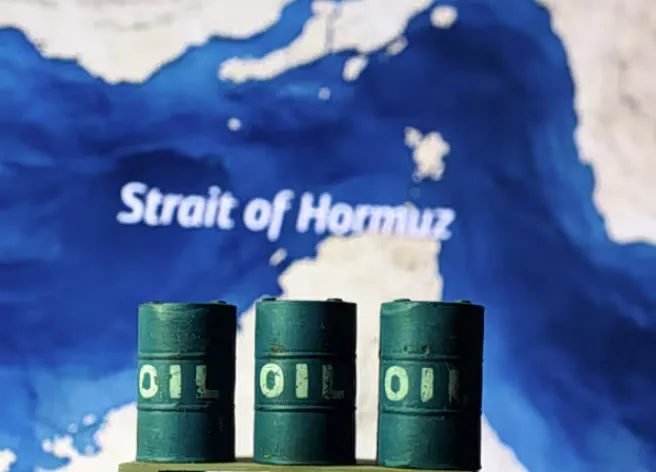
The impact is widespread across the sector. Delta Air Lines expects its fuel expenditures this year to be $6 billion higher than in the previous year, while both Southwest and United Airlines have recently slashed their profit forecasts in response to these rising costs. This volatility is largely attributed to geopolitical tensions, specifically the conflict in Iran, which has constrained global fuel supplies and acted as a catalyst for price spikes.
The end of fuel hedging?
Historically, airlines protected themselves against such volatility through fuel hedging—entering into contracts to buy fuel at fixed prices. However, Scott Keis, founder of the flight deal service Going.com, notes that airlines are no longer utilizing these strategies as frequently as they once did, largely due to poor experiences with previous hedging attempts. This lack of a buffer means that fuel price fluctuations are passed more directly to the consumer through higher ticket prices.
How are airlines changing their cabin configurations?
To protect profit margins in a high-cost environment, airlines are pivoting their business models to prioritize premium seating over mass-market volume. This shift involves increasing the number of premium seats in aircraft cabins to capture higher yields from travelers willing to pay more for comfort. The financial results of this strategy are already visible in recent quarterly reports.
Delta Air Lines, for example, saw its revenue from premium seats grow by 18% during the third quarter, even though the actual number of premium seats increased by only 6%. Similarly, Southwest Airlines reported that its average fare per passenger rose by 26.9% to $231.69 in the third quarter, excluding taxes. This demonstrates that airlines are successfully extracting more value from each flight by targeting higher-spending demographics.
What is the impact of the "fewer flights" trend?
A significant consequence of the new economic reality is the reduction in total flight availability as airlines move away from unprofitable routes. Industry leaders are adopting a more disciplined approach to network management, prioritizing routes that guarantee high margins rather than maintaining broad connectivity. United Airlines CEO Scott Kirby has articulated this as a "golden rule": airlines must stop flying to destinations that result in financial losses.
This strategic withdrawal means that travelers may find fewer direct options or less frequent service to certain regional or secondary destinations. The focus has shifted from maximizing the number of passengers to maximizing the profit per seat. As a result, the era of cheap, ubiquitous air travel is being replaced by a more selective service model where only the most lucrative paths are maintained.
The collapse of low-cost models
The disappearance of low-cost carriers is further accelerating this trend. The recent exit of Spirit Airlines from the market is a prime example of how fuel costs can destabilize budget-focused business models. While Spirit faced various challenges, the sudden spike in fuel prices was widely seen as the final blow. The absence of such low-cost players removes a stabilizing force on overall market prices, making it easier for remaining carriers to maintain higher fare levels.
Will ticket prices ever decrease again?
Even if global fuel prices eventually stabilize or decline, airline executives are signaling that ticket prices are unlikely to return to previous levels. The industry is undergoing a fundamental structural change that goes beyond mere fuel fluctuations. Higher costs for airport fees, aircraft maintenance, and engine servicing have created a new baseline for operating expenses that requires higher revenue to sustain.
United Airlines CEO Scott Kirby has stated that the company is unlikely to take any steps backward regarding pricing. He suggests that the industry is proving that the current economic model is fundamentally different from previous years. Similarly, Delta CEO Ed Bastian noted that the forces reshaping the aviation sector—including the struggle to cover capital costs—were in motion well before the recent fuel crisis. This suggests that the "new normal" of higher fares is a permanent fixture of the modern aviation landscape.
Key takeaways
- Airline ticket prices in the US rose 22% in September compared to the previous year.
- American Airlines faced a $1.9 billion increase in expenses due to a 70% rise in fuel costs.
- Airlines are prioritizing premium cabin revenue, with Delta seeing an 18% rise in premium seat income.
- The industry is cutting unprofitable routes to protect margins, leading to fewer flight options.
- The exit of Spirit Airlines has reduced price competition within the aviation market.
FAQ: Airline pricing and industry trends
Why are my flights more expensive than last year?
The increase is primarily driven by a massive rise in aviation fuel costs and higher operational expenses, including maintenance and airport fees. Additionally, airlines are shifting their focus toward higher-margin premium seats and cutting unprofitable routes, which reduces overall competition and availability.
Is the rise in prices only due to fuel costs?
No, while fuel is a major factor, other structural costs are rising. These include aircraft maintenance, engine servicing, and airport fees. Airlines are also changing their business models to focus on profitability per seat rather than just passenger volume, which keeps prices elevated.
Will low-cost airlines make flights cheaper again?
It is unlikely in the short term. The collapse of carriers like Spirit Airlines has removed a key downward pressure on prices. Without these budget-focused competitors to stabilize the market, remaining airlines have more freedom to maintain higher fare levels to cover their costs.
Why are there fewer flight options available?
Airlines are increasingly following a rule of avoiding unprofitable destinations. To protect their bottom lines, they are discontinuing flights on routes that do not generate sufficient profit, meaning travelers may experience less frequency and fewer choices for certain destinations.
Are airlines still hedging their fuel costs?
Many airlines have moved away from traditional fuel hedging due to negative past experiences. This means they are more exposed to immediate market fluctuations, which are then passed on to passengers through higher ticket prices when oil prices spike.
Conclusion
The aviation industry is navigating a profound transformation, moving away from the era of low-cost, high-frequency travel toward a more disciplined, profit-centric model. While geopolitical instability and fuel volatility acted as immediate catalysts, the underlying drivers—rising maintenance costs, capital requirements, and a strategic pivot toward premium passengers—point to a permanent shift. For travelers, this "new reality" means higher ticket prices and more limited route options. As airlines prioritize financial stability over market expansion, the era of cheap air travel appears to be giving way to a more expensive and selective landscape.