The symbolism of the broken mirror
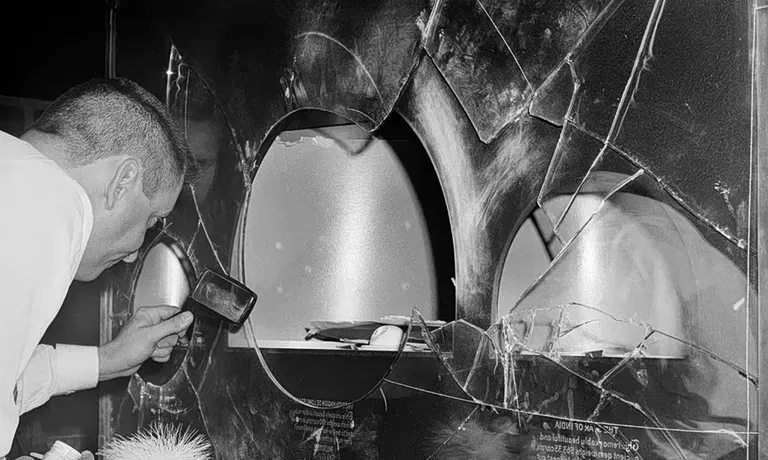
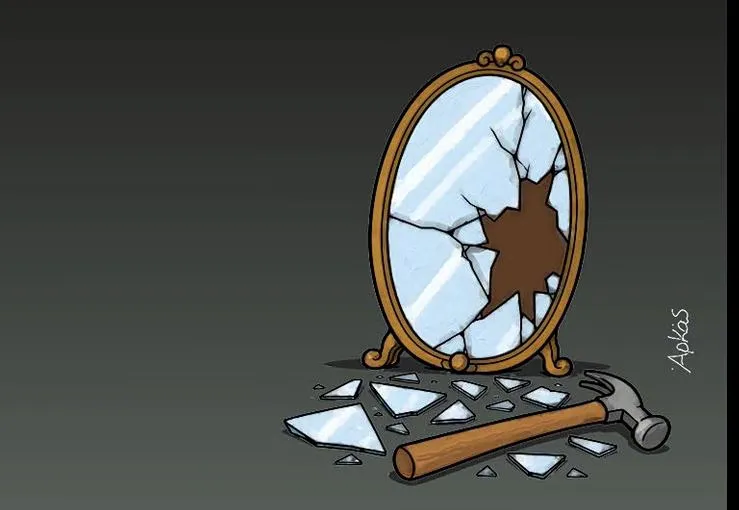
The central image of the latest Arkas work features a mirror that has been shattered by a hammer, creating a fragmented reflection of the world. In editorial cartooning, a mirror typically represents self-reflection, societal introspection, or the way a medium reflects the current state of human affairs. By depicting the mirror as broken, the artist suggests that the traditional ways we view ourselves or our society are no longer intact or functional.
A shattered mirror can also symbolize a fractured identity or a broken perception of reality. When a mirror is struck by a hammer, it implies an act of violence or a sudden, forceful disruption. This suggests that the current state of social or political discourse is not merely drifting into chaos, but is being actively broken by external or internal pressures. The fragments of the mirror represent the disjointed pieces of information and perspectives that characterize the modern era, making it difficult to see a cohesive or unified truth.
The tension between myth and reality
Accompanying the visual is a profound caption: "The fairy tale flatters, the truth offends." This statement serves as the intellectual anchor for the entire piece, establishing a dichotomy between the comforting lies of mythology and the abrasive nature of factual reality. The "fairy tale" represents the idealized versions of history, politics, and social structures that people often prefer to believe in to maintain a sense of stability and optimism.
In contrast, the "truth" is presented as something that causes offense. This aligns with the visual of the broken mirror; just as a shattered glass is sharp and can cause physical harm, the truth can cause psychological or social discomfort. The artist posits that society often clings to flattering narratives—the "fairy tales"—to avoid facing the jagged, uncomfortable edges of their actual circumstances. The act of breaking the mirror is, therefore, an act of stripping away these illusions, even if the resulting clarity is painful to behold.
Social commentary through satirical art
Arkas has long been a staple of Greek social commentary, using minimal lines and powerful imagery to critique the complexities of human behavior. This specific cartoon moves beyond immediate political events to address a more universal philosophical struggle: the human desire for comfort versus the necessity of truth. By avoiding specific political figures, the work achieves a timeless quality that resonates across different cultural and temporal contexts.
The satire lies in the recognition of human frailty. We are a species that seeks the "flattery" of a smooth, unbroken reflection, yet we live in a world that is increasingly fragmented and harsh. The cartoon challenges the viewer to consider whether they are looking for a mirror that makes them look better, or a mirror that shows them as they truly are. In an age of misinformation and curated realities, the message that truth is inherently offensive serves as a vital warning against the dangers of retreating into comfortable, albeit false, narratives.
Frequently Asked Questions
What is the main theme of the Arkas cartoon?
The main theme is the conflict between comforting illusions and the abrasive nature of reality. Through the metaphor of a broken mirror, the artist suggests that while myths and lies provide a flattering view of the world, the actual truth is often fragmented and difficult to accept.
Why is a hammer used in the illustration?
The hammer represents a forceful disruption of the status quo. It is the tool used to break the "flattering" mirror of illusion, signifying that the transition from comfortable lies to harsh truths is often a violent or sudden process that shatters our existing perceptions.