How did memes shape the reaction to Lula's victory?
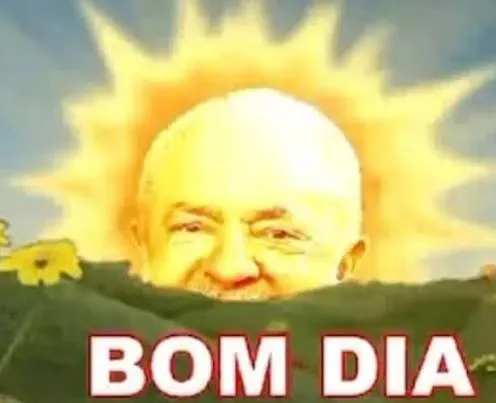
The victory of Luiz Inácio Lula da Silva in the Brazilian presidential elections triggered a massive wave of celebrations across social media networks. Rather than traditional political rallies, supporters utilized a diverse array of digital imagery, including references to children's television shows and mainstream pop culture, to mark the occasion. This shift turned a standard electoral result into a widespread digital event with a profound political character.
According to Hyperallergic, these memes are not merely a collection of humorous reactions. Instead, they serve as a reflection of Brazilian internet culture, where political satire, national identity, and pop aesthetics coexist in an often sharp and biting manner. By using familiar cultural symbols, supporters were able to communicate complex political sentiments through easily digestible and shareable formats.
The symbolism of pop culture in political victory
The use of non-political imagery allows supporters to bypass traditional campaign rhetoric, making the political message feel more personal and communal. When a political figure is integrated into a beloved cultural franchise, it creates a sense of shared joy that transcends standard partisan lines, effectively humanizing the victory through the lens of collective nostalgia.
What role does satire play in targeting political opponents?
Satire serves as a primary weapon for supporters to mock the ambitions and rhetoric of the far-right opposition. One prominent example involves Flávio Bolsonaro, son of former President Jair Bolsonaro and a political rival to Lula. Memes circulated depicting Flávio stating, "If God wills it, I will become President of Brazil," only to receive a response from God saying, "I do not want to.'
This specific type of humor is particularly potent because it weaponizes the religious rhetoric frequently used in Brazilian political life. By turning the opposition's own linguistic tools against them, the memes achieve a level of ridicule that is difficult to counter through formal political statements. This method of "counter-rhetoric" allows digital users to dismantle the perceived authority of their opponents through laughter rather than direct confrontation.
Why is Brazil's digital culture unique in the political sphere?
Brazil possesses an exceptionally active internet culture that has influenced how social media users communicate globally. The country is responsible for several viral phenomena, such as the "Confused Math Lady" and the "Please Come to Brazil" phrase, which highlights the intense presence of Brazilian fans on the profiles of international celebrities. This high level of digital engagement translates directly into the political arena.
Memes in Brazil function as a vital medium for social commentary, allowing citizens to express political stances, challenge figures of authority, and participate in public debate. This creativity is not limited to entertainment; it is a fundamental aspect of how the Brazilian electorate engages with the state. The digital sphere has become a primary battlefield where political legitimacy is contested through viral imagery.
How do memes bridge the gap between pop culture and politics?
The intersection of pop culture, LGBTQ+ aesthetics, and political identity defines the modern Brazilian digital campaign. Unlike traditional political communication, which relies on official slogans and posters, this new era employs codes of communication developed through daily social media usage. This allows political messages to circulate far beyond the narrow confines of the news cycle.
For many users, political engagement is filtered through the lens of pop culture. This makes the political process feel more accessible to those who may not follow parliamentary developments closely but are deeply immersed in digital trends. The victory of Lula became an occasion to express political identity through these shared cultural codes, making the act of voting feel like part of a broader collective experience.
The evolution of political communication
Traditional political marketing is being superseded by organic, user-generated content. When a political figure is represented as a "Trap Card" in a game like Yu-Gi-Oh!, the message reaches a demographic that might otherwise ignore formal political advertisements. This integration of gaming, music, and social trends ensures that political discourse remains constant and pervasive in the digital lives of citizens.
What is the broader political context of this digital explosion?
The digital surge is inextricably linked to a highly charged electoral contest where Lula secured victory with nearly 52% of the vote, earning his fourth presidential term. The political environment remains volatile, especially regarding the influence of the far-right in Latin America and the legal challenges facing the Bolsonaro family. For instance, Flávio Bolsonaro's political path follows a period where his father faced significant legal scrutiny.
Furthermore, international relations add another layer of complexity to this domestic digital struggle. The geopolitical tension between Brazil and the United States—notably involving trade tariffs imposed by Donald Trump in response to the prosecution of Jair Bolsonaro—creates a backdrop where every meme carries weight. In this climate, digital satire is not just a distraction; it is a way for supporters to voice their opposition to far-right ideologies and celebrate a shift in the national direction.
Key takeaways
- Brazilian memes use pop culture symbols, like Teletubbies, to express political optimism.
- Satire targets religious rhetoric to undermine the ambitions of far-right politicians.
- Brazil's highly active internet culture makes memes a primary tool for public debate.
- Digital imagery bridges the gap between political news and daily pop culture consumption.
- Memes function as a dual-purpose tool for both political promotion and intense opposition.
FAQ: Brazilian political memes
How do memes affect political communication in Brazil?
Memes act as a modern form of political commentary that bypasses traditional media. They allow citizens to express complex views through humor and pop culture references, making political discourse more accessible and viral, which helps in building a sense of collective identity among supporters.
Why is religious satire used in these memes?
Religious satire is used because religious rhetoric is a significant component of Brazilian political discourse. By using memes to mock the "divine will" of political opponents, supporters can effectively use the opposition's own cultural language to ridicule their political ambitions and authority.
Can memes be used by both sides of the political spectrum?
Yes, memes are politically neutral tools. While they were used by the far-right to bolster the rise of Jair Bolsonaro, they are now being used extensively by his critics to satirize his administration and the political movement he represents.
What is the connection between pop culture and Brazilian politics?
The connection lies in how digital users communicate. Instead of formal slogans, Brazilians use codes from gaming, music, and television to express political stances. This integrates political identity into the broader cultural experience of the internet-using population.
How does the international context influence these memes?
International tensions, such as US-Brazil trade relations and the global rise of far-right movements, provide the thematic material for memes. Digital users often use humor to react to geopolitical shifts and the international perception of Brazilian political figures.
Conclusion
The phenomenon of Brazilian political memes following Lula's victory demonstrates that digital culture is no longer a mere byproduct of politics, but a central driver of it. By blending pop culture, religious satire, and social media trends, supporters have created a new language of political expression. This digital landscape allows for a more participatory, albeit highly polarized, form of public debate. As the boundary between entertainment and governance continues to blur, the ability to master these digital tools will likely become as important as traditional campaigning in the future of Brazilian democracy.