How is public dissatisfaction impacting the Greek government?
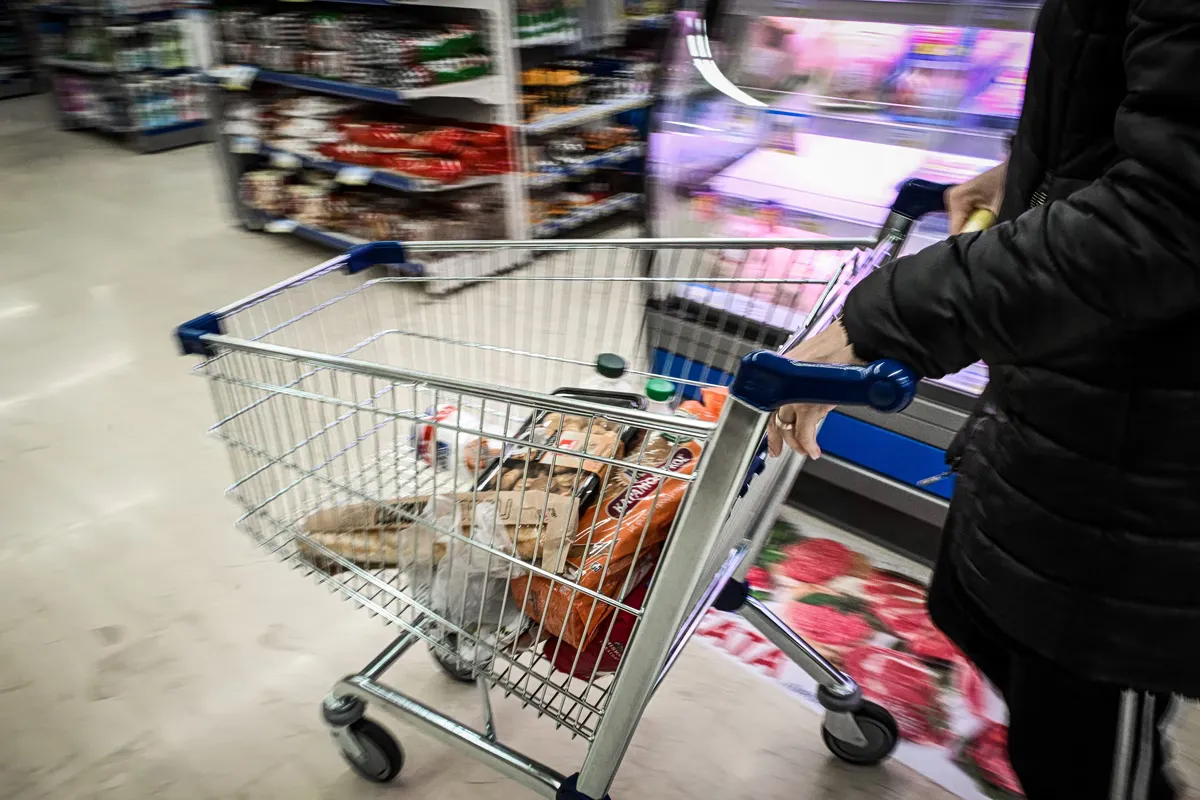
Public discontent regarding the cost of living crisis in Greece has become a central political challenge, as recent polling suggests a significant gap between state action and citizen needs. The administration is currently attempting to manage a period of intense political erosion caused by the dual pressures of inflation and an ongoing energy crisis.
Recent data from an Opinion Poll conducted for Action 24 highlights this tension. A substantial 76.2% of respondents believe the government is displaying indecision or failing to monitor the inflation problem effectively, rather than providing the necessary immediate interventions. In contrast, only 21% of the population views the government's response as timely and effective.
The perception of responsibility is also divided among the populace. According to the poll, 50.4% of citizens attribute the persistent rise in prices to the government's inability to address the issue. Meanwhile, 22% blame external international factors, and 25.9% believe that both domestic mismanagement and global economic shifts are to blame.
What measures is the government taking to alleviate heating costs?
The Greek government has introduced several targeted interventions to provide relief to households, particularly focusing on heating expenses ahead of a difficult winter season. Prime Minister Kyriakos Mitsotakis has framed these measures as necessary "breakwaters" against the global economic storm.
Key economic interventions include:
- Heating Allowance Increase: A 30% increase in the heating allowance, reaching up to €1,560, intended to support approximately 1.2 million households.
- Fuel Price Reductions: Efforts to lower the price of heating oil at the pump, with estimates suggesting a starting price of around €1.55 per liter.
- Refinery Subsidies: A state-funded subsidy of 20 cents per liter, supplemented by an additional 20 cents contributed by refineries to help stabilize consumer costs.
While the Prime Minister has presented these as "fair interventions," the administration's own rhetoric suggests an awareness of their limitations. By describing the measures as necessary under current conditions, the leadership has implicitly acknowledged that these interventions may only serve as a minor buffer against the broader economic hardship facing Greek families.
The role of fiscal surplus in social support
The administration maintains that its ability to provide this support is directly linked to its disciplined fiscal management. Prime Minister Mitsotakis has argued that if the Greek economy were not producing surpluses, the state would lack the fiscal capacity to support society during this crisis. This stance serves as a defense against opposition parties, who the government frequently labels as fiscally irresponsible.
Why is the government attributing inflation to international factors?
The Greek administration has adopted a narrative that characterizes the current economic hardship as an "imported" crisis driven by global geopolitical instability. This strategy aims to distance domestic policy from the volatility of international markets.
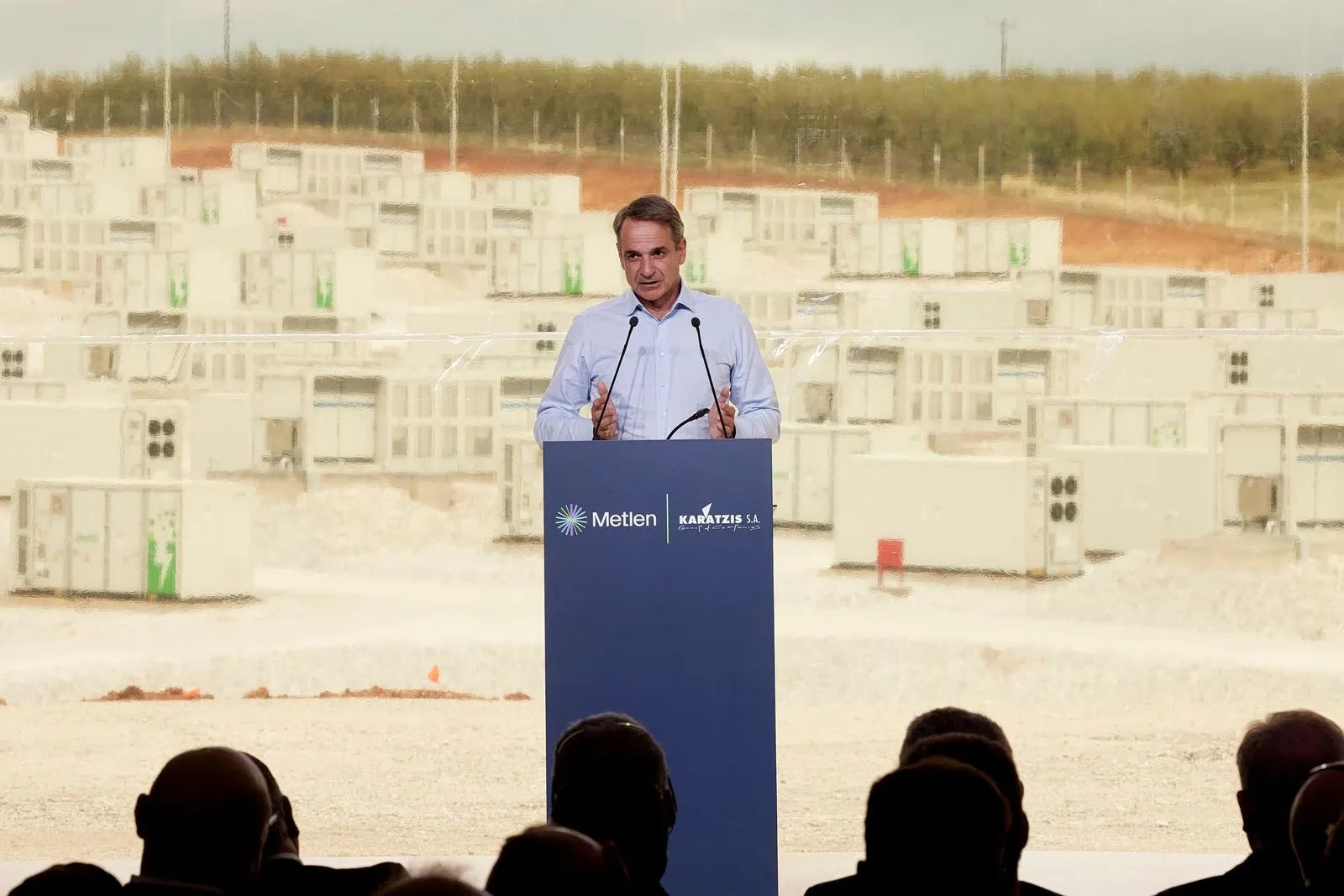
During a recent visit to an autonomous energy storage unit in Larissa, the Prime Minister emphasized that no country exists in isolation. He pointed to several specific global triggers that contribute to the inflationary spiral:
- Geopolitical Tensions: Instability in the Strait of Hormuz and the Red Sea.
- Conflict in Ukraine: Continued strikes and military actions in Ukraine that disrupt energy supplies.
- Global Energy Volatility: The resulting fluctuations in oil and natural gas prices.
By framing the situation as a "global storm," the government seeks to mitigate the perception of domestic failure. This narrative suggests that while Greece must build its own defenses, the primary drivers of the high cost of living are external forces beyond the immediate control of the national government.
What is the strategy for the European Council meeting?
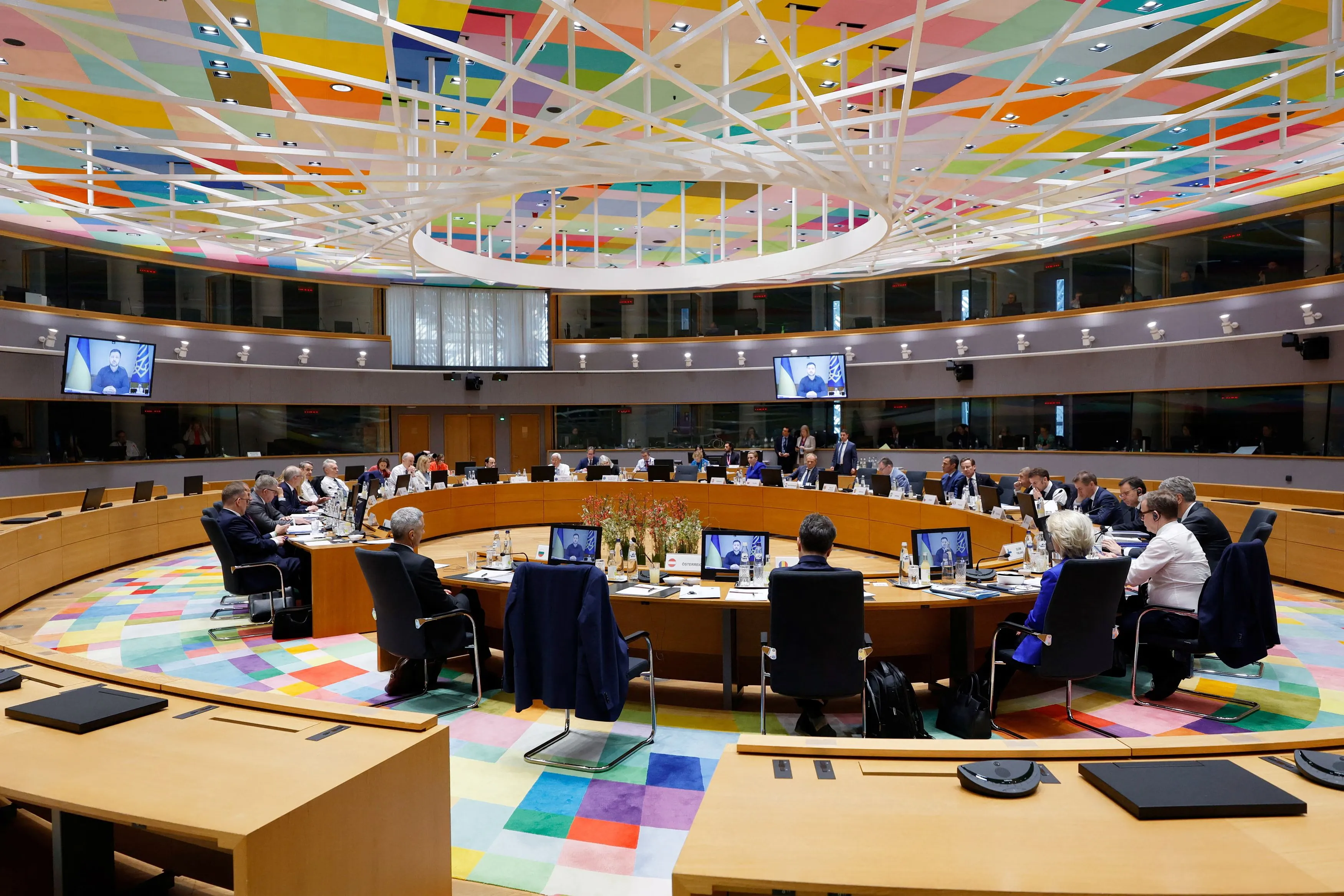
Facing domestic pressure, the Greek government is shifting much of its focus toward the European level, seeking to influence EU-wide decisions on energy and fiscal flexibility. The upcoming European Council serves as a primary platform for this diplomatic pivot.
Prime Minister Mitsotakis is expected to advocate for several key positions at the European level:
- Increased Fiscal Flexibility: Arguing that supporting households and small-to-medium enterprises (SMEs) requires more room for maneuver within EU fiscal frameworks.
- Energy Price Reduction: Prioritizing the lowering of energy costs through coordinated European action.
- Energy Security vs. Green Transition: Questioning whether Europe can simultaneously maintain high energy costs, pursue a green transition, and ensure fiscal stability during a period of high inflation.
Government sources suggest that the Prime Minister will urge Europe to re-examine its energy security policies. The goal is to move beyond mere discussion and toward concrete decisions that provide tangible relief to member states. However, expectations remain cautious, with officials noting that the Council is likely to result in an exchange of views rather than immediate, decisive policy shifts.
Key takeaways
- 76.2% of Greek citizens feel the government is reacting too slowly to inflation.
- The government is increasing heating allowances by 30% for 1.2 million households.
- Heating oil prices are targeted to start at approximately €1.55 per liter.
- The administration attributes the cost of living crisis to external geopolitical tensions.
- Greece is seeking greater fiscal flexibility from the EU to support SMEs and households.
FAQ: Cost of living crisis in Greece
How much is the heating allowance in Greece increasing?
The heating allowance is set to increase by 30%, with amounts reaching up to €1,560. This measure is designed to provide relief to nearly 1.2 million households as they prepare for the upcoming winter months and rising energy costs.
What is the government's main reason for high inflation?
The government attributes the current inflation to "imported" factors. Specifically, it cites geopolitical tensions in the Red Sea and the Strait of Hormuz, alongside the ongoing conflict in Ukraine, as the primary drivers of rising oil and gas prices.
How is the government lowering heating oil prices?
The government aims to bring the price of heating oil to approximately €1.55 per liter. This is achieved through a combination of state subsidies and contributions from refineries, which provide a significant reduction in the cost at the pump.
What is the Greek government asking from the European Union?
Greece is calling for increased fiscal flexibility at the European level. The administration wants the EU to allow for more targeted, temporary measures to support households and small businesses facing the energy crisis and high inflation.
Do citizens believe the government is handling inflation well?
No, a majority of citizens are dissatisfied. According to an Opinion Poll, 76.2% of the population believes the government is acting with indecision, while only 21% believe the state is intervening in a timely and effective manner.
Conclusion
The Greek government finds itself caught between the necessity of fiscal stability and the growing unrest of a population struggling with basic costs. While the administration has implemented specific relief measures, such as increased heating allowances and fuel subsidies, these are often perceived as insufficient by a public that largely blames domestic policy for the crisis. By shifting the narrative toward global geopolitical instability and seeking greater flexibility from the European Union, the government is attempting to manage political fallout. The success of this strategy will depend on whether international cooperation can provide the relief that domestic measures alone cannot achieve.