How did a random DNA test lead Barbara Braun to her family?
A chance genetic test performed by a nephew served as the primary catalyst for reuniting Barbara Braun with her biological relatives in Greece. While the DNA testing was conducted for unrelated reasons, the resulting data provided the missing link necessary to bridge the gap between her life in Texas and her origins in Athens. Before this discovery, Braun had no concrete information regarding her biological lineage.
The process of reconnection was not instantaneous but required the specialized support of the Evtychia Project. According to the project's findings, the genetic match provided a roadmap that allowed investigators to identify specific family branches in Greece. For the relatives in Greece, the arrival of Barbara was entirely unexpected. They described the experience as a profound and moving event, noting that a simple biological procedure had brought a long-lost family member back into their lives.
The timeline of the reunion
The journey from genetic match to physical meeting spanned several years. Braun identified her relatives in 2023, and it was not until 2024 that the first face-to-face meeting took place. This period allowed for the emotional preparation required for such a significant life event. Today, Braun resides in Texas with her two children and five grandchildren, having successfully integrated her American upbringing with her rediscovered Greek identity.
What is the role of the Evtychia Project in these reunions?
The Evtychia Project acts as a specialized support system for individuals of Greek descent who were adopted abroad and wish to find their biological families. Founded by Linda Trotter—known in Greece as Evtychia Noula—the organization is built upon personal experience. Trotter herself experienced the profound impact of reuniting with her biological roots, which motivated her to create a platform for others facing similar journeys.
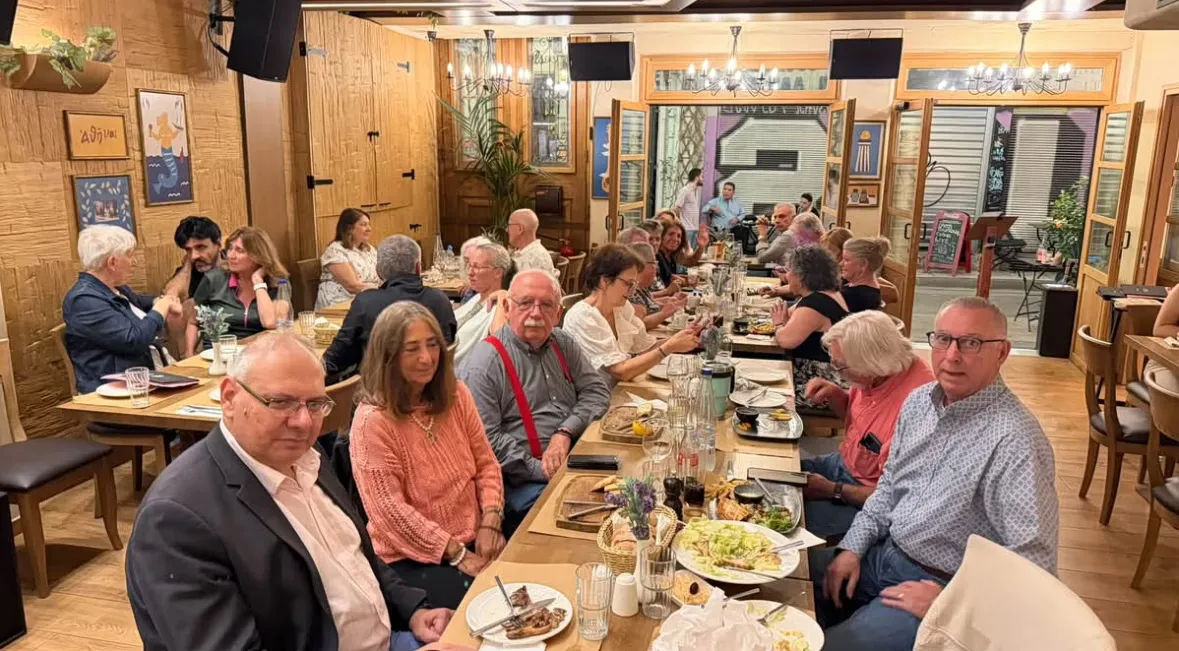
The project provides more than just investigative assistance; it fosters a community of shared experience. Every year, the group organizes significant gatherings, such as the fifth Annual Meeting of Greek Adoptees, which is held in Greece. These meetings serve as a way for people adopted during the 1950s, 1960s, and 1970s to connect with one another and with the land of their birth. The project emphasizes that while these individuals may have grown up in different cultures, their fundamental identity remains tied to their Greek origins.
What were the historical circumstances of Greek international adoptions?
The mass adoption of Greek children by foreign families, particularly from the United States, was a significant social phenomenon in the decades following World War II. During this period, Greece faced extreme economic hardship and instability, which contributed to the high number of children being placed in international care. Many of these children were infants at the time of their departure, leaving them with little to no memory of their biological parents or their homeland.
According to Athanasios Balerbas, General Secretary of the Ministry of Interior, the issue of these children remains a serious historical matter for Greece. He noted that while these individuals were taken from their country, they never ceased to be Greek. However, the process of reclaiming their identity was historically hindered by complex bureaucracy. It was often difficult for adoptees to obtain the necessary documentation to prove their Greek lineage and secure legal recognition of their heritage.
Overcoming bureaucratic hurdles
Recent legislative shifts have begun to address these historical difficulties. A ministerial decision known as the Livaniou-Spanaki decision, enacted two years ago, was designed to ease the process for adoptees seeking to reclaim their Greek identity. This legal framework aims to provide easier access to the documents required for obtaining Greek passports and identification, allowing former adoptees to assert their nationality with pride.
How do adoptees reconnect with their cultural heritage?
Reconnection involves more than just finding biological relatives; it encompasses a physical and cultural journey through the landscapes of Greece. The Evtychia Project organizes extensive tours that allow adoptees to visit historical and cultural sites across the country. These journeys are designed to provide a sensory and intellectual connection to the place where they were born.
The itinerary for these cultural expeditions often includes several key locations:
- Thessaloniki and Vergina: Focusing on northern Greek history and archaeology.
- Meteora and Ioannina: Exploring monastic traditions and regional heritage.
- Metsovo and Arta: Connecting with the mountainous and historical heartlands.
- Messolonghi and Kalavryta: Visiting sites of significant national importance.
- Corinth: A location with deep symbolic value for the group.
The visit to Ancient Corinth is particularly significant due to its mythological connections. Panagiota Vrysioti, Vice President of the Evtychia Project, noted that Corinth is linked to Oedipus, one of the most famous figures of adoption in Greek mythology. For many participants, these trips represent a homecoming after decades of separation. Vrysioti highlighted that many adoptees express a profound sense of belonging, often stating that despite being away for sixty years, they feel as though they have finally returned home.
FAQ: Frequently asked questions
How did Barbara Braun find her family?
Barbara Braun found her biological family through a chance DNA test performed by her nephew. This genetic match, combined with the investigative assistance of the Evtychia Project, allowed her to locate her relatives in Greece. She eventually met them in person in 2024 after identifying them in 2023.
What is the Evtychia Project?
The Evtychia Project is an organization that supports people of Greek descent who were adopted into foreign families. Founded by Linda Trotter, it helps individuals search for their biological relatives and facilitates cultural reunions and meetings in Greece to help them reconnect with their roots.
Why were so many Greek children adopted by Americans?
The high rate of international adoption from Greece occurred primarily in the decades following World War II. During this time, Greece faced severe economic challenges and social instability, leading many children to be placed in international care systems, including those serving American adoptive parents.
Can adoptees reclaim their Greek nationality?
Yes, adoptees can reclaim their Greek identity through recent legislative changes. The Livaniou-Spanaki ministerial decision has helped streamline the process for individuals to obtain the necessary documentation, such as Greek passports, to officially recognize their Greek heritage and nationality.
Where do Greek adoptees go during reunions?
The Evtychia Project organizes tours to various historical and cultural sites across Greece. Participants visit locations including Thessaloniki, Meteora, Ioannina, and Corinth. These trips are designed to help adoptees experience the geography and history of their country of birth firsthand.
Key takeaways
- The Barbara Braun DNA test enabled a successful reunion between a Texas resident and her Greek biological family.
- The Evtychia Project provides essential support for Greek-born adoptees seeking to rediscover their heritage.
- Legislative changes in Greece have made it easier for adoptees to reclaim their nationality and identity.
- Cultural tours in Greece help international adoptees form a physical connection to their country of origin.
Synthesis of the reunion experience
The story of Barbara Braun illustrates the transformative power of modern genetic science in repairing fractured family histories. What began as a routine DNA test evolved into a profound reclamation of identity, bridging the gap between a life in the United States and ancestral roots in Greece. Through the specialized work of the Evtychia Project and recent improvements in Greek administrative processes, the path to reconnection is becoming more accessible. For many, these reunions represent more than just finding relatives; they represent a definitive return to a home they had only known through stories and distant memories.