What are the primary financial struggles reported in the Metron Analysis poll?
Financial instability is a defining characteristic of the current Greek social landscape, with a vast majority of respondents expressing difficulty in maintaining their standard of living. The Metron Analysis data indicates that 82% of the population faces significant challenges in managing their monthly budgets. This figure is composed of two distinct groups: 46% of citizens report that they are managing to get by with difficulty, while a more critical 36% state that their funds are exhausted well before the month concludes.
The disparity in financial security is stark when examining those who possess any form of disposable income or savings. Only 18% of the surveyed individuals reported that they are able to set money aside at the end of each month. This lack of a financial buffer suggests a high level of vulnerability to sudden economic shocks or price fluctuations in essential goods.
The breakdown of household financial status
To understand the depth of this economic pressure, it is useful to categorize the respondents based on their liquidity and ability to save. The overwhelming majority falls into the 'struggling' or 'exhausted' categories, leaving a very small minority in the 'stable' category.
| Financial Status Category | Percentage of Respondents |
|---|---|
| Struggling to manage (getting by) | 46% |
| Funds exhausted before month-end | 36% |
| Able to save money monthly | 18% |
This distribution highlights that the vast majority of the Greek public is living paycheck to paycheck, with no margin for error in their household management.
How pessimistic is the outlook for the upcoming winter?
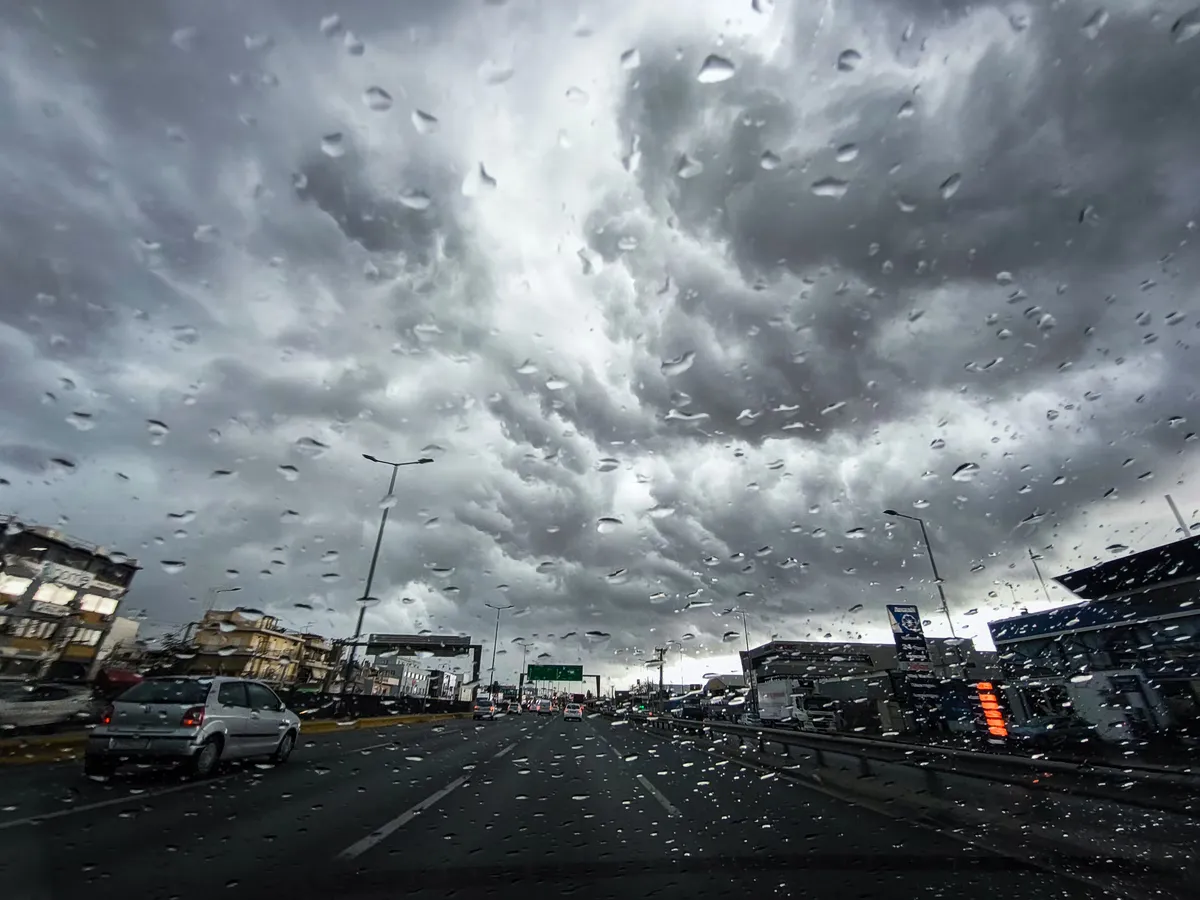
The approach of the winter season has triggered a wave of pessimism across the Greek population. According to the Metron Analysis findings, 70% of citizens expressed an optimistic-free outlook for the coming months, while only 28% maintained a sense of optimism. This seasonal anxiety is likely tied to the rising costs of essential services and goods required to navigate the colder months.
The survey suggests that the winter period is viewed not just as a seasonal change, but as a period of increased economic risk. The high level of pessimism (70%) reflects a collective fear that the current economic pressures will intensify rather than subside as the temperature drops.
In which sectors do citizens expect conditions to worsen?
Public perception indicates a widespread belief that the quality of life and the stability of essential services will decline in the near future. The Metron Analysis poll shows that a majority of citizens expect a deterioration in several critical dimensions of daily life. These concerns are not limited to a single area but span across social, economic, and institutional sectors.
The specific areas identified by respondents as likely to see a decline include:
- Justice: Concerns regarding the efficiency and fairness of the legal system.
- Education: Expectations of declining standards or increasing difficulties in the schooling system.
- Energy and Fuel: Anxiety over the volatility and rising costs of heating and transportation.
- Cost of Living: Specifically regarding supermarket prices and the general expense of food.
- Housing: Pressures related to the availability and affordability of shelter.
- Social Order: Concerns regarding delinquency and public behavior.
This multi-faceted pessimism suggests that the Greek public feels a sense of systemic decline that affects almost every aspect of their daily existence, from the most basic needs like food and heat to the fundamental structures of society like justice and education.
What are the political expectations ahead of the spring elections?
Despite the prevailing economic gloom, there remains a significant degree of political hope among the electorate. As the country approaches elections in the spring, 74% of respondents expressed an expectation that there will be an eventual improvement in the general situation. Conversely, 25% of the population believes that conditions will not necessarily worsen further, though they do not explicitly predict an improvement.
This distinction is crucial: while the immediate reality is one of hardship and pessimism, the long-term political outlook is characterized by a desire for change and a belief in the potential for recovery through the democratic process.
The role of politics in improving quality of life
A key finding of the Metron Analysis survey is the perceived efficacy of political action. When asked directly whether politics has the potential to improve the lives of citizens, the response was overwhelmingly positive.
According to the data, 76% of respondents believe that political intervention and leadership could lead to an improvement in their living standards. In contrast, only 23% expressed skepticism or pessimism regarding the ability of the political system to effect real change. This suggests that even in a climate of economic despair, the Greek public still views the political arena as a primary vehicle for societal and economic progress.
Frequently asked questions
What percentage of Greeks struggle with monthly expenses?
According to the Metron Analysis poll, 82% of Greek citizens face financial difficulties. Specifically, 46% report they are barely managing to get by, while 36% state that their money runs out before the month ends, leaving only 18% able to save.
How do Greeks view the upcoming winter season?
The outlook for the upcoming winter is largely negative, with 70% of respondents expressing pessimism. Only 28% of those surveyed feel optimistic about the period ahead, reflecting concerns over rising costs and economic stability.
Which sectors are expected to see a decline in quality?
Citizens expect a deterioration in several key areas, including justice, education, energy, fuel, housing, supermarket prices, and general social order. This widespread concern highlights a perception of systemic decline across multiple facets of Greek life.
Is there hope for political change before the elections?
Yes, there is significant political expectation. While 70% are pessimistic about the immediate future, 74% expect an eventual improvement in conditions, and 76% believe that politics can effectively improve their quality of life.
What is the main driver of economic anxiety in the poll?
The primary drivers are the cost of living and the inability to save. With 82% of the population struggling to manage their finances and 36% running out of money mid-month, the immediate pressure of daily expenses dominates public sentiment.
Key takeaways
- 82% of Greek citizens report significant monthly financial struggles.
- Only 18% of the population is able to save money at month-end.
- 70% of respondents are pessimistic about the upcoming winter season.
- 76% believe political action can improve their quality of life.
- Widespread pessimism exists regarding justice, education, and energy costs.
Conclusion
The Metron Analysis poll paints a picture of a society under intense economic strain, where the majority of citizens are living without financial security. The high levels of pessimism regarding the winter and essential services like education and justice reflect a deep-seated anxiety about the country's trajectory. However, the significant portion of the electorate that believes in the power of politics to improve their lives suggests that the upcoming spring elections will be viewed as a critical opportunity for systemic change. The tension between immediate economic hardship and long-term political hope will likely define the national discourse in the coming months.