Economic devastation for local livestock farmers
A single livestock farmer in the Neurokopi region has reported the loss of over 200 sheep following recent predator attacks. According to a local farmer speaking to MEGA on October 13, 2026, the scale of the destruction is unprecedented for the area. These frequent attacks are causing intense fear within the local society, as the livelihood of many families depends on the survival of their flocks.
The financial impact of such losses is profound. For small-scale producers, the sudden death of hundreds of animals represents a catastrophic blow to their annual income and long-term stability. The farmer noted that these incidents are not isolated events but part of a continuing pattern of aggression that threatens the viability of traditional animal husbandry in the region.
Evidence of increased bear activity
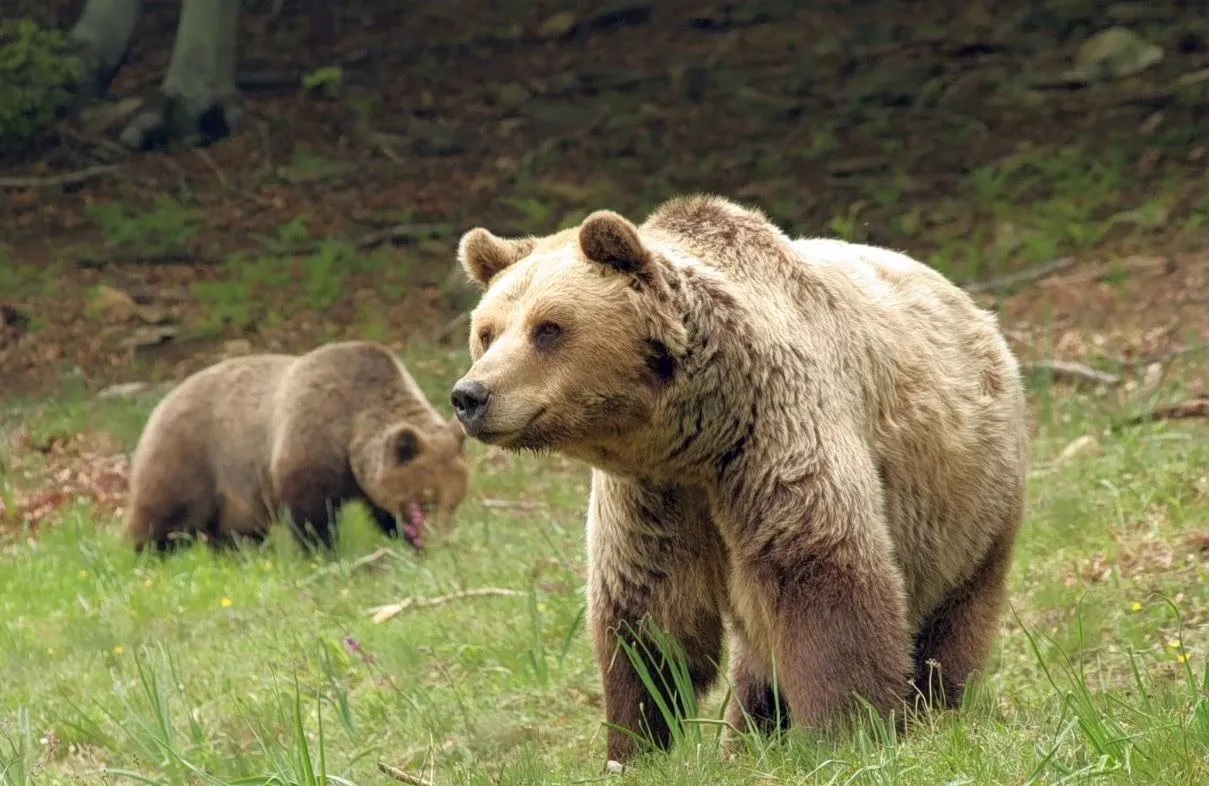
Environmental monitoring confirms that the bear population is becoming increasingly active in and around human settlements. According to the environmental organization "Callisto," camera footage has verified the presence of numerous bears in the vicinity of Neurokopi. This technological evidence provides a clear picture of the growing overlap between wild habitats and agricultural zones.
The farmer highlighted a distinction in the behavior of different age groups within the bear population. He observed that older bears, specifically those over ten years of age, tend to take a single animal and then depart. In contrast, younger bears, aged between seven and eight years, exhibit much more destructive behavior. The farmer described their actions as being almost like "play" or "games," which results in much higher mortality rates among the livestock.
Human-wildlife conflict and community safety
The presence of large predators has fundamentally altered the daily lives and safety of residents in the villages surrounding Neurokopi. Local inhabitants are now actively avoiding movement after sunset due to the high risk of dangerous encounters with bears. This shift in behavior impacts community cohesion and the ability of residents to conduct routine evening activities.
The root cause of this increased aggression appears to be environmental scarcity. As natural food sources in the bears' primary habitats decline, the animals are forced to seek easier, more accessible food sources closer to human populations. This lack of sufficient vegetation in the wild drives the predators toward livestock pens, creating a dangerous cycle of conflict that affects both humans and wildlife.
Demands for urgent intervention and protection
Livestock farmers are calling for more decisive and immediate measures to manage the bear population and protect their assets. The primary demand from the agricultural community is the safe relocation of the bears to areas further away from human settlements and grazing lands. Without effective intervention, farmers fear that the losses will continue to escalate beyond manageable levels.
The community is seeking a balance that ensures the safety of the residents and the survival of their flocks while addressing the ecological realities of the region. Current requests focus on implementing more robust protective strategies to prevent bears from accessing livestock, thereby reducing the frequency of these devastating encounters and restoring a sense of security to the Neurokopi area.
Frequently Asked Questions
How many animals were lost in the Neurokopi attacks?
A local livestock farmer reported that more than 200 sheep were killed during recent attacks. These losses have caused significant distress and financial hardship for the producer, highlighting the severity of the predator incursions in the Neurokopi region of Greece.
What is causing the bears to attack livestock?
The attacks are largely driven by a lack of natural food sources in the bears' wild habitats. Due to a scarcity of vegetation, the animals are increasingly searching for easier food alternatives, which leads them into human-populated areas and toward livestock pens.
How does bear behavior differ by age according to locals?
Local observations suggest that older bears, over ten years old, typically take one animal and leave. However, younger bears, aged seven to eight, exhibit more erratic and destructive behavior, which the local farmer described as being akin to playing with the animals.
What are the residents' main safety concerns?
Residents are primarily concerned about dangerous encounters with bears, which has led them to avoid traveling outdoors after dusk. The fear of unexpected contact with large predators has significantly impacted the daily routines and movement patterns of the local village communities.