What is the significance of the Brian Jones letter?
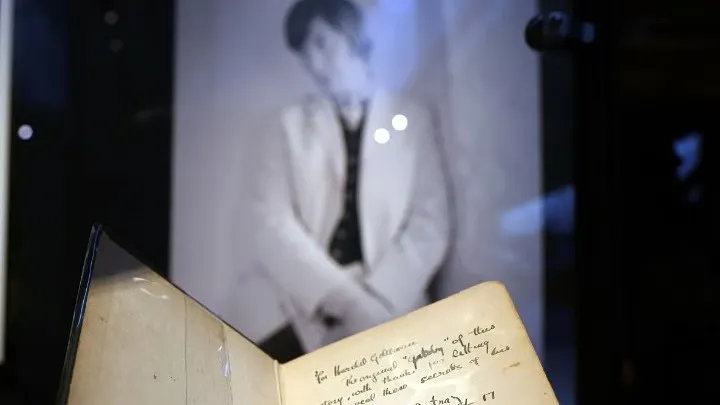
The Brian Jones letter represents a primary historical document that captures the exact moment the Rolling Stones' classic lineup began to coalesce. Written in June 1962, the correspondence serves as a direct link to the band's pre-fame era, occurring just weeks before their inaugural live performance in July of that same year. For collectors and music historians, the letter is not merely a piece of paper but a testament to the strategic recruitment that would eventually define the sound of British rock and roll.
The letter was addressed to "Mr. S. Watts" at his family home in Wembley, London. In it, Jones demonstrates both the audacity and the charm required to build a legendary ensemble. He explicitly asks Watts to consider leaving his current position to join his R&B group, framing the move as a professional necessity for a band aiming for the top of the charts.
A glimpse into the 1962 music scene
At the time of writing, the Rolling Stones were a nascent entity founded by Mick Jagger, Keith Richards, and Brian Jones. The group was actively seeking the rhythmic foundation that would allow them to compete in the burgeoning R&B market. This letter provides evidence of the competitive spirit and the high standards Jones held for his collaborators.
How did Brian Jones attempt to recruit Charlie Watts?
Brian Jones used a blend of professional persuasion and blunt confidence to convince Charlie Watts to join the group. In the opening of the letter, Jones acknowledges the potential intrusiveness of his request, writing, "Dear Charlie, if you find this letter somewhat indiscreet, please forgive me." This polite preamble transitioned quickly into a bold pitch for Watts to abandon his role in Alexis Korner's Blues Incorporated.
Jones's strategy relied on two main arguments: the superior quality of the Rolling Stones and the urgent requirement for a professional drummer. According to the text of the letter, Jones went so far as to boast that his band was "much better" than his current prospects, emphasizing that a "good drummer" was the missing ingredient for their success. This confidence proved effective, as Watts officially joined the Rolling Stones in January 1963, roughly seven months after the letter was sent.
Where has the letter been for the last 60 years?
The letter has remained within the private possession of the Watts family for over six decades. It was only recently brought to the public eye when the sister of the late drummer decided to entrust the artifact to the auction house Sotheby’s. This transition from a private family heirloom to a public auction item marks the first time the document will be seen by the wider world.
The provenance of the item is considered exceptionally strong due to its direct lineage from the Watts estate. This history adds significant value to the piece, as it is not just a piece of memorabilia but a verified personal relic of a musician who remained a cornerstone of the band for decades. The upcoming sale in New York is expected to draw significant interest from international collectors of rock history.
What is the impact of this discovery on rock history?
The discovery of this correspondence illuminates the early organizational efforts of the Rolling Stones, a band now widely regarded as one of the greatest rock and roll groups in history. While the band is famously associated with the core members Mick Jagger, Keith Richards, Brian Jones, Charlie Watts, and Bill Wyman, the specific mechanics of how these individuals were brought together are often shrouded in legend. This letter provides a factual, written account of that process.
By documenting the transition of Charlie Watts from Blues Incorporated to the Rolling Stones, the letter helps historians map the movement of talent within the 1960s London blues and R&B scene. It highlights the influence of figures like Alexis Korner, who acted as a catalyst for much of the era's talent, and shows how the Rolling Stones actively sought to professionalize and elevate the genre through selective recruitment.
The legacy of the Stones' lineup
The stability of the lineup that followed this recruitment—specifically the inclusion of Watts—allowed the Rolling Stones to maintain a consistent musical identity through decades of evolution. The letter captures the very beginning of that stability, proving that the band's eventual dominance was not just a matter of luck, but a result of deliberate, albeit somewhat cheeky, talent acquisition.
Frequently asked questions
How much is the Brian Jones letter expected to sell for?
The letter is expected to be sold for approximately $80,000 (roughly £60,162) at the Sotheby's auction. This valuation reflects its status as a unique, high-provenance historical document from one of the most significant eras in rock music history.
When will the letter be available for public viewing?
The letter is scheduled to be presented to the public for the first time on December 2, 2026. The viewing will take place at the Sotheby’s auction house located in New York City, where it will be displayed alongside its original envelope.
Who was Charlie Watts playing for before the Rolling Stones?
Before officially joining the Rolling Stones in January 1963, Charlie Watts was a member of Blues Incorporated, a group led by the influential blues musician Alexis Korner. The Brian Jones letter was specifically aimed at persuading him to leave this group.
What is the historical context of the letter?
The letter was written in June 1962, just weeks before the Rolling Stones' first live appearance in July 1962. It captures the band in its most formative stage, prior to achieving international chart success and global stardom.
Who is selling the letter at auction?
The letter is being provided to Sotheby’s by the sister of the late Charlie Watts. The document has been held privately by the Watts family for more than 60 years before this decision to bring it to auction.
Key takeaways
- A rare Brian Jones letter recruiting Charlie Watts is expected to fetch $80,000 at auction.
- The handwritten document was written in June 1962, months before the Stones' first performance.
- Sotheby’s New York will host the public debut of the letter on December 2, 2026.
- The letter remained in the private possession of the Watts family for over 60 years.
Conclusion
The upcoming auction of the Brian Jones letter marks a significant moment for music historians and collectors alike. By providing a direct, written link to the recruitment of Charlie Watts, the document offers an intimate look at the strategic foundations of the Rolling Stones. As the letter moves from the private custody of the Watts family to the global stage at Sotheby's, it serves as a reminder of the personal connections and bold ambitions that helped shape the landscape of modern rock and roll.