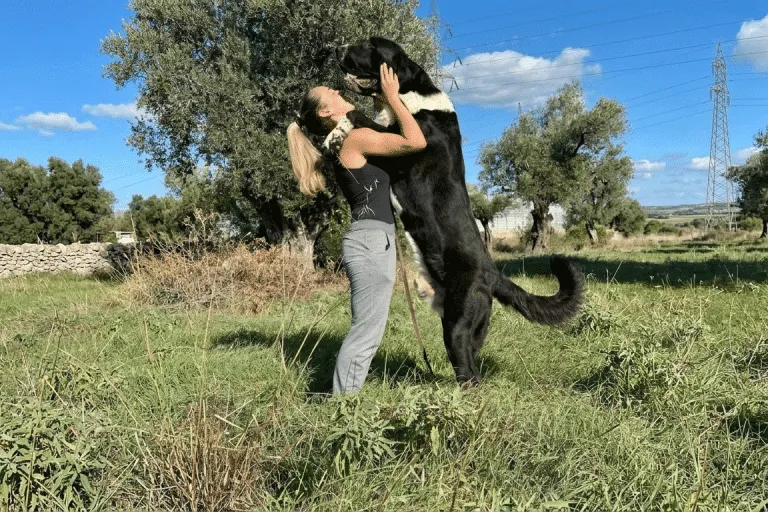
What are the characteristics of the Central Asian Shepherd Dog?
The Central Asian Shepherd Dog, often called the 'King of the Steppes', is a breed with a long history and a strong guardian instinct. It is known for its adaptability, able to remain calm and relaxed until it senses a threat, at which point it becomes a formidable protector. This breed thrives in large, fenced yards where it can exercise its autonomy and decision-making abilities.
What are the care needs of this breed?
Like all dogs, the Central Asian Shepherd Dog requires daily walks and interaction with its owner. However, it is particularly important for this breed to have a role as a protector of its space and family. It is not suited for apartment living and needs a large, secure area to roam. Proper socialization and training are crucial, focusing on building mutual respect and trust.
Is the Central Asian Shepherd Dog easy to train?
Training a Central Asian Shepherd Dog involves earning its respect and trust. This breed evaluates commands for their relevance and will follow them if it recognizes the owner as a leader. Building a relationship of mutual respect is key to successful training. Socialization is also important, as the breed tends to maintain a neutral stance towards various stimuli.
Who is the ideal owner for this breed?
The ideal owner for a Central Asian Shepherd Dog is someone with a strong, confident, and consistent leadership style. The owner must understand the dog's physical strength and need for a meaningful role within the family. Building a substantial relationship and providing the dog with a sense of belonging in the family pack is essential.
How does this breed interact with children and other animals?
The Central Asian Shepherd Dog is generally protective and patient with children, earning the nickname 'gentle giant'. However, due to its large size, supervision is necessary to prevent accidental harm during play. When raised with other animals, it accepts them as part of the family but may exhibit dominance towards unfamiliar dogs. Proper socialization is necessary to manage these interactions.
Is this breed suitable for first-time dog owners?
While not typically recommended for first-time dog owners, a Central Asian Shepherd Dog can be managed by a novice with dedication and proper guidance. It is important for new owners to establish themselves as the pack leader to effectively manage the dog's independent protective instincts.
What should prospective owners know about the breed's health?
The Central Asian Shepherd Dog is a hardy breed, having evolved under harsh conditions. Its diet should be balanced and rich in protein and calcium, especially during its rapid growth phase as a puppy. Owners should be aware of the risk of gastric torsion, a potentially fatal condition, and ensure the dog maintains a healthy weight to prevent joint issues.
Frequently asked questions
What is the lifespan of a Central Asian Shepherd Dog?
The Central Asian Shepherd Dog typically lives between 12 to 15 years, depending on health and care.
Are Central Asian Shepherd Dogs good with children?
Yes, they are generally protective and patient with children, but supervision is necessary due to their size.
Can Central Asian Shepherd Dogs live in apartments?
No, they require a large, secure outdoor space to roam and fulfill their protective role.
How much exercise does this breed need?
They need daily walks and mental stimulation, but not excessive physical activity due to their energy conservation instincts.
What are common health issues in this breed?
Common health concerns include joint issues and gastric torsion; maintaining a healthy weight is crucial.
Key takeaways
- The Central Asian Shepherd Dog is known for its strength and protective instincts.
- It requires a large, secure outdoor space for optimal living conditions.
- Training focuses on building mutual respect and trust with the owner.
- Proper socialization is essential for managing interactions with other animals.
- Maintaining a balanced diet and healthy weight is crucial for its health.