What is Detroit-Style Pizza?
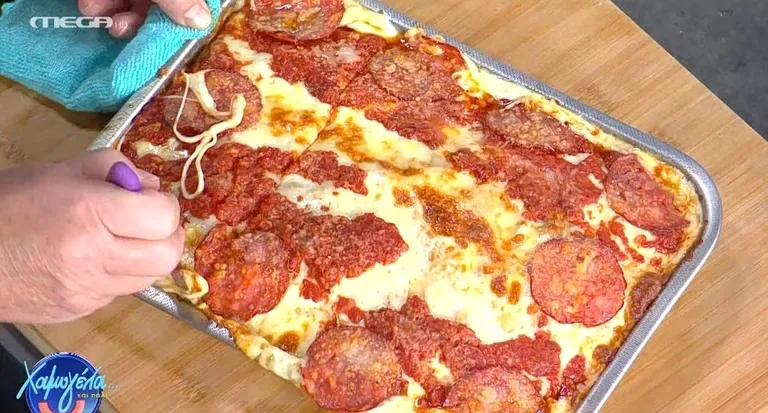
Detroit-style pizza is a unique culinary creation known for its distinctive rectangular shape, thick and airy crust, and exceptionally crispy edges. Unlike traditional round pizzas, this style relies on a specific baking method that emphasizes texture and flavor through the use of a heavy-duty metal tray. By baking the dough in a steel pan, the edges undergo a process that creates a crunchy, caramelized perimeter that is a hallmark of the style.
The recipe shared by Argyro Barbariou on the MEGA show "Chamohela kai pali!" highlights the core elements that make this pizza a favorite for both children and adults: a combination of airy dough, generous mozzarella, savory tomato sauce, pepperoni or salami, and a finishing touch of Parmesan. This hearty style of pizza is designed to be satisfying, offering a contrast between the soft, risen center and the well-defined, crispy crust.
Ingredients Needed for the Pizza Tray Recipe
To achieve the specific texture and flavor profile of this Detroit-style pan pizza, you will need to gather the following precise ingredients:
- 250 grams of warm water
- 350 grams of pizza flour
- 1/2 teaspoon of dry yeast
- 1/2 teaspoon of salt
- 1 tablespoon of tomato sauce for pizza
- 2 1/2 cups of shredded mozzarella cheese
- 1/2 cup of finely grated Parmesan cheese
- 10-12 very thin slices of pepperoni or salami
- A little olive oil for the dough and the pan
- A few basil leaves for garnish
The balance of these ingredients is crucial. The ratio of flour to water and the specific use of pizza flour ensure the dough can support the heavy toppings while maintaining its characteristic airiness. The combination of mozzarella for meltability and Parmesan for a salty, sharp finish provides the depth of flavor expected in an authentic pan pizza.
How to Prepare the Dough
The foundation of a great Detroit-style pizza is the dough. The process begins by placing the flour, yeast, salt, and warm water into a mixer bowl. It is important to start on a low speed for approximately 2 minutes; this initial phase is necessary to ensure the flour is thoroughly moistened by the liquid before the intensive mixing begins.
Once the ingredients are combined, you must increase the mixer's intensity. Work the dough for another 7 to 8 minutes. This extended mixing time is vital to developing the gluten structure required to produce a dough that is both smooth and highly elastic. After mixing, transfer the dough to a bowl lightly coated with olive oil. To ensure even coating, pull the dough from the sides of the mixer and roll it within the bowl so that all surfaces are lubricated. Cover the bowl and leave the dough at room temperature to rise until it has doubled in volume. Depending on the temperature of your kitchen, this process typically takes between 1.5 and 2 hours. For those seeking extra elasticity, the dough can be folded two or three times during this rising period.
Resting and Shaping the Dough
Proper shaping requires patience and a two-stage approach to allow the gluten to relax. Begin by thoroughly oiling the base and the high side walls of a thin metal tray measuring 20 x 30 cm. Place the risen dough into the tray and drizzle it with a bit of olive oil. Using your fingers, gently stretch the dough to encourage it to take on a long, rectangular shape.
At this stage, the dough may not be elastic enough to reach the edges of the tray. Do not force it, as this can tear the structure. Instead, cover the tray and let the dough rest for 20 minutes. This resting period allows the dough to relax and loosen. Once rested, you can once again use your fingers to stretch the dough until it reaches the corners of the tray and maintains an even thickness across the entire surface. Finally, cover the tray again and let the dough rise once more inside the pan for approximately 20 minutes. Throughout this entire process, it is essential to keep the dough covered to protect it from drafts of air, which can affect the rise.
Assembling and Baking the Pizza
Preparation of the oven is the next critical step. Preheat your oven to a high temperature of 220-230°C using the heating elements (resistors). The high heat is necessary to achieve the signature crust. The baking process is divided into two distinct stages to ensure the base is cooked through before the toppings are added.
First, place the tray on the lower rack of the hot oven and bake only the dough for 10 minutes. This pre-baking ensures the bottom is sturdy. Once the base is set, remove the tray and spread a generous layer of shredded mozzarella over the entire surface, paying special attention to the corners where the cheese meets the metal walls. Next, instead of covering the entire surface with sauce, use a spoon to create 3 to 4 distinct lines of tomato sauce along the length of the tray, similar to stripes. This technique leaves parts of the cheese visible. Arrange the thin slices of pepperoni or salami on top, and finally, sprinkle the entire pizza with finely grated Parmesan cheese. Return the tray to the lower rack in a strong, hot oven and bake for another 10-15 minutes. You are looking for a well-developed crust around the edges and a golden-brown color across the toppings.
Serving the Detroit-Style Pizza
After removing the pizza from the oven, it is important not to cut it immediately. Allow the pizza to stand in the tray for 10 minutes. This resting period helps the structure stabilize and ensures the cheese and sauce settle. Once rested, cut the pizza into large, satisfying square pieces. For a final touch of freshness, garnish the squares with a few basil leaves. This method results in a pizza that is easy to share and offers a variety of textures in every bite, from the soft center to the crunchy, cheese-crusted edges.
Frequently Asked Questions
What makes Detroit-style pizza different?
Detroit-style pizza is distinguished by its rectangular shape and its thick, airy crust. The use of a metal tray and a specific baking method allows the edges to become exceptionally crispy, often characterized by a caramelized cheese perimeter. Additionally, the sauce is often applied in stripes rather than covering the entire surface.
How do I ensure the dough is elastic enough?
Elasticity is achieved through two methods: first, by mixing the dough for 7-8 minutes on higher speed to develop gluten, and second, by allowing the dough to rest multiple times—both after the initial rise and again after it has been stretched into the pan.
Why do I bake the dough before adding toppings?
Baking the dough alone for 10 minutes on the lower rack ensures that the base is fully cooked and becomes sturdy enough to support the heavy layers of cheese, sauce, and meat without becoming soggy.
Key Takeaways
- Use a metal tray (20 x 30 cm) to achieve the signature crispy edges.
- Develop the dough through 7-8 minutes of intensive mixing for elasticity.
- Implement a two-stage rise: once in a bowl and once after stretching into the pan.
- Pre-bake the dough for 10 minutes at 220-230°C before adding toppings.
- Apply tomato sauce in stripes rather than covering the entire surface.
- Let the pizza rest for 10 minutes in the tray before cutting into squares.