How do you perform scissor kicks correctly?
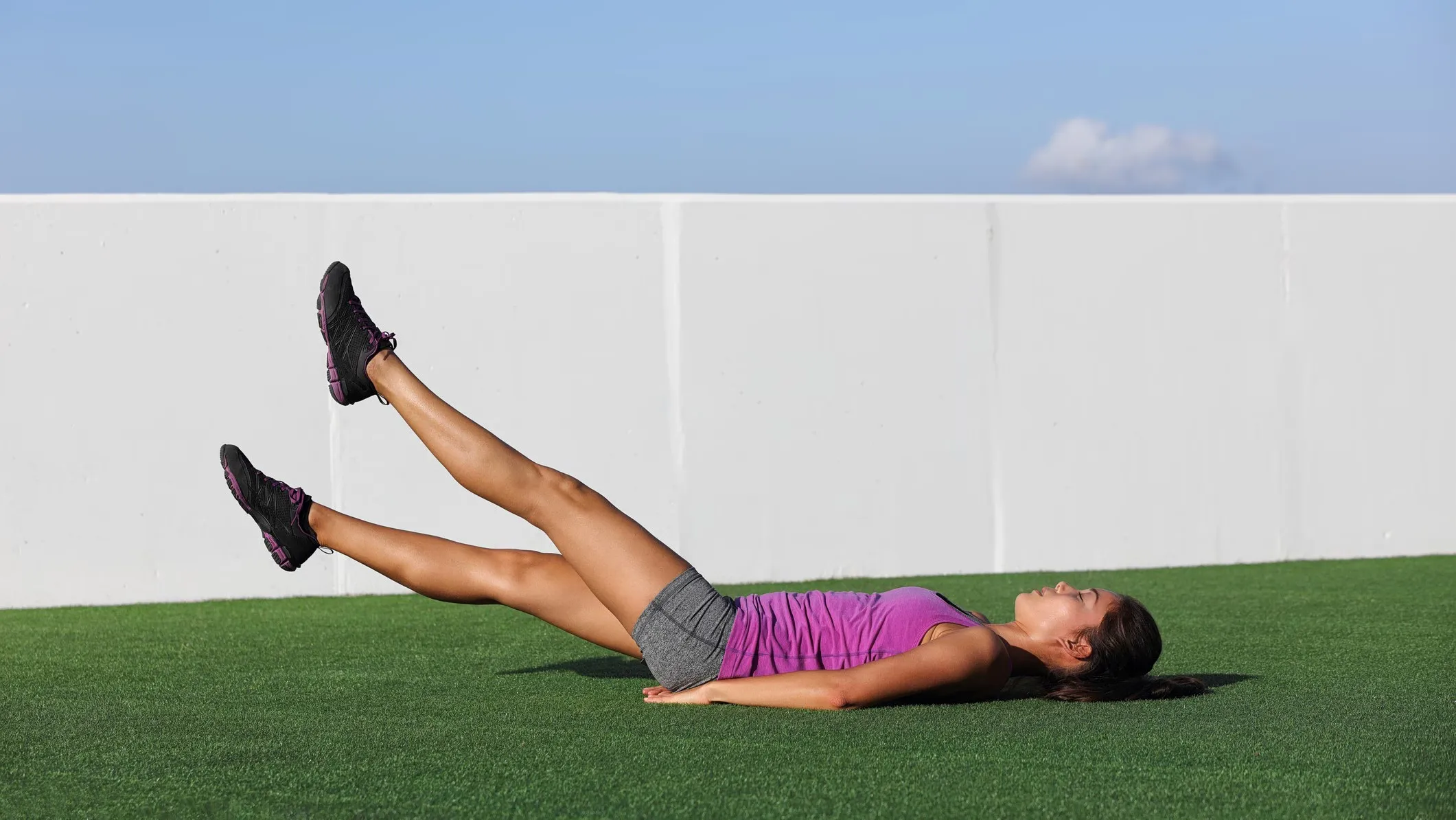
Proper form is the most critical component of scissor kicks to ensure the tension remains on the abdominal muscles rather than the lower spine. To begin, lie flat on your back on a supportive mat with your head resting on the ground and your arms positioned at your sides. Lift your legs so they are nearly perpendicular to the floor, keeping your feet extended and your knees slightly bent.
The movement requires active engagement of the core; imagine pulling your navel gently toward your spine to stabilize your midsection. While maintaining a steady pelvis and slightly activated glutes, slowly lower one leg toward the floor. It is vital that you do not let the foot touch the ground. Once the leg reaches its lowest controlled point, return it to the starting position and repeat the motion with the opposite leg. This alternating rhythm creates the characteristic scissor-like motion.
Maintaining spinal alignment
A common error during scissor kicks is allowing the lower back to arch away from the mat. To prevent this, focus on keeping your lumbar spine pressed firmly against the surface throughout the entire range of motion. If you feel your back lifting, you have likely descended too low or lost core engagement.
What are the primary muscle benefits of scissor kicks?
Scissor kicks are a multi-functional movement that engages almost the entire core complex. Unlike isolated movements, this exercise demands stability from several muscle layers at once. The primary targets include the rectus abdominis, which forms the visible "six-pack" muscles, and the transverse abdominis, a deep muscle that acts as a natural corset around your midsection.
Beyond the superficial muscles, the exercise provides significant benefits for several other areas:
- Obliques: The lateral movements required to stabilize the pelvis engage the internal and external obliques.
- Hip Flexors: The lifting and lowering of the legs heavily recruit the hip flexors, which are essential for leg movement and pelvic stability.
- Quadriceps: Keeping the legs extended and controlled requires constant tension from the front of the thighs.
- Core Stability: By forcing the body to resist gravity and maintain a neutral pelvis, the exercise improves overall balance and postural control.
Strengthening these muscle groups can lead to better posture and more efficient movement patterns in daily life, particularly for those who spend long periods sitting.
How can beginners scale this exercise?
Because scissor kicks are classified as a medium-to-high difficulty exercise, beginners should avoid attempting the full range of motion immediately. The difficulty of the movement is directly proportional to how low the legs descend; the closer the feet get to the floor, the higher the load on the abdominals and hip flexors.
To build the necessary strength safely, consider the following modifications:
- Elevate the leg height: Start by keeping your legs higher off the ground. This reduces the lever length and the gravitational pull on your lower back.
- Bend the knees: Keeping a slight bend in the knees can reduce the resistance and make it easier to keep the lower back stable.
- Interval training: Instead of long sets, start with 30 seconds of active movement followed by 15 to 30 seconds of rest. Aim for 3 to 4 sets to build endurance.
Progression markers
As your core strength improves, you can gradually lower your legs closer to the floor and work toward fully extending the knees. The goal is to increase the difficulty without sacrificing the contact between your lower back and the mat.
When should you exercise caution?
Safety should always take precedence over the depth of the movement. If you experience any sharp or persistent pain in your lower back or neck during the exercise, you should stop immediately. Pushing through pain in these areas often indicates that the core has failed to stabilize the spine, shifting the load to the vertebrae or connective tissues.
Certain individuals should consult a medical professional before incorporating scissor kicks into their fitness routine, including:
- Individuals with a history of lower back injuries or chronic spinal issues.
- Those experiencing neck discomfort during abdominal work.
- Pregnant women, to ensure the movements are safe for the pelvic floor and abdominal wall.
Remember that the objective is not to achieve the lowest possible leg position, but to maintain perfect technique, controlled movement, and a stable core through every repetition.
Frequently asked questions
Is it better to keep my legs straight or bent?
For beginners, keeping the knees slightly bent is highly recommended. This modification reduces the tension on the hip flexors and makes it easier to keep the lower back pressed against the floor. As you become stronger, you can transition to straight legs to increase the difficulty.
Why does my lower back hurt during scissor kicks?
Lower back pain usually occurs when the abdominal muscles are too weak to hold the spine in a neutral position, causing the back to arch. To fix this, lift your legs higher or bend your knees until you can maintain full contact between your spine and the mat.
How many repetitions should I do?
A good starting point for most people is performing the movement for 30 seconds, followed by 15 to 30 seconds of rest. Repeat this cycle for 3 to 4 sets. As your endurance increases, you can increase the duration of the work intervals.
Can scissor kicks help with a flat stomach?
Scissor kicks are excellent for strengthening the abdominal muscles, which can contribute to a toned core. However, visible abdominal definition also depends on overall body fat percentage, which is managed through a combination of nutrition and total-body physical activity.
Do I need any equipment to do this?
No equipment is required for scissor kicks. The exercise is a pure bodyweight movement that can be performed anywhere with a flat surface. Using a yoga mat is recommended to provide cushioning for your spine and to prevent slipping during the movement.
Key takeaways
- Scissor kicks target the rectus abdominis, transverse abdominis, and obliques.
- Maintaining a flat lower back against the floor is essential for spinal safety.
- Beginners should start with higher leg positions and bent knees to reduce difficulty.
- Stop the exercise immediately if you feel pain in your neck or lower back.
Conclusion
Scissor kicks represent a highly efficient, equipment-free method for developing core strength and stability. By targeting both the deep stabilizing muscles and the superficial abdominal layers, this exercise supports better posture and functional movement. However, the effectiveness of the exercise is entirely dependent on technical precision. Prioritizing a stable spine and a controlled range of motion over sheer depth will ensure long-term progress and prevent injury. Whether you are a beginner scaling the movement or an advanced athlete seeking a challenge, consistency and proper form remain the keys to success.