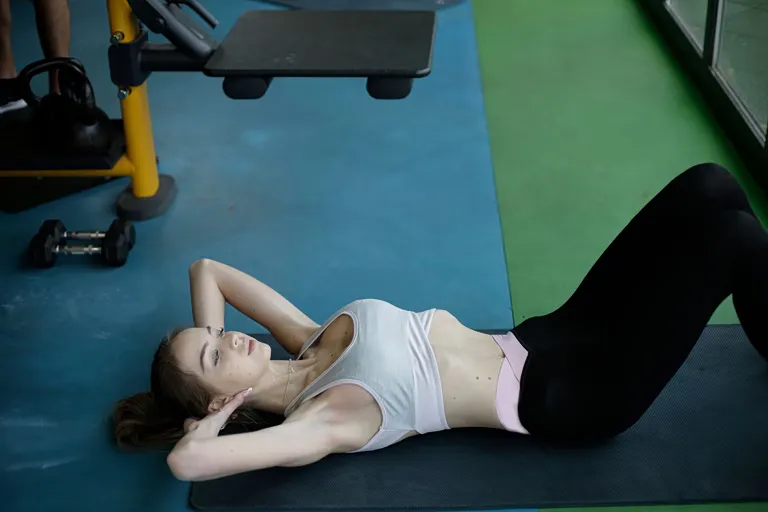
Why is core strength vital for daily functional movement?
A strong core serves as the central pillar of human movement, acting as the bridge between the upper and lower body. The muscles of the abdomen, back, pelvis, and glutes work in a synchronized manner to support the body during essential activities such as walking, bending, twisting, or lifting heavy objects. Maintaining a correct posture also relies heavily on this muscular synergy.
Over time, several factors can lead to a decline in core muscular strength. A sedentary lifestyle, characterized by prolonged sitting, is a primary contributor to weakened abdominal and spinal support. Additionally, the natural aging process can diminish muscular density and stability if not actively managed through targeted training. When the core is weak, the body often compensates by placing undue stress on the spine and other joints, increasing the risk of discomfort or injury during routine tasks.
The role of the transverse abdominis
While many people focus on the "six-pack" muscles (rectus abdominis), the dead bug exercise is unique because it prioritizes the transverse abdominis. This is the deepest abdominal muscle, acting much like a natural corset that wraps around the midsection. By strengthening this layer, you improve intra-abdominal pressure and spinal control, which is essential for protecting the lower back during movement.
How does the dead bug exercise differ from traditional crunches?
The dead bug exercise offers distinct advantages over classic movements like crunches due to its emphasis on stability and deep muscle engagement. While crunches primarily target the superficial abdominal muscles through spinal flexion, the dead bug focuses on maintaining a stable trunk while the limbs move through space.
This distinction is critical for several reasons:
- Spinal Neutrality: Unlike crunches, which involve bending the spine, the dead bug requires the back to remain flat against the floor, promoting better spinal alignment.
- Coordination and Control: The movement challenges the nervous system to coordinate opposite limbs while keeping the center of the body perfectly still.
- Deep Core Activation: It recruits the transverse abdominis more effectively, providing a deeper level of stabilization than superficial movements.
By focusing on stability rather than just repetition, the dead bug builds a type of strength that translates directly to real-world balance and injury prevention.
What is the correct technique for performing the dead bug?
Mastering the dead bug requires precision and a focus on control rather than speed. The essence of the movement lies in the challenge of moving the arms and legs while keeping the torso completely stationary.
To perform the exercise correctly, follow these steps:
- Starting Position: Lie flat on your back on a mat. Bend your knees and keep your feet on the floor with your arms resting relaxed by your sides.
- Initial Setup: Lift your legs so that your hips and knees form approximately a 90-degree angle (the tabletop position). Raise your arms toward the ceiling so that your palms are directly above your shoulders.
- The Movement: Activate your abdominals by pulling your belly button slightly inward. While keeping your left knee bent, slowly extend your right leg forward, keeping it just a few centimeters above the floor. Simultaneously, lower your left arm backward behind your head.
- Maintenance: It is vital to ensure your lower back does not arch or lift off the mat during this extension. The core must remain engaged to keep the spine neutral.
- Completion: Pause briefly at the point of maximum extension, then slowly return to the starting position. Repeat the movement using the opposite arm and leg.
A tip for abdominal engagement
If you find it difficult to feel your core working, use the "zipper" visualization. Imagine you are trying to gently pull the bottom of your abdomen inward and upward, as if you are trying to close the zipper of a pair of tight trousers. This mental cue helps ensure the transverse abdominis is actively supporting the spine.
How should you integrate this exercise into a fitness routine?
For optimal results, the dead bug should be incorporated into a regular training schedule approximately three to four times per week. The primary goal of this exercise is not high-volume repetition, but rather the maintenance of impeccable form from the first rep to the last.
To ensure safety and effectiveness, consider the following guidelines:
- Quality Over Quantity: If you notice your control slipping—such as your lower back arching or your limbs moving erratically—stop the set or reduce the range of motion.
- Progression: Start with a smaller range of movement (e.g., moving the arm and leg only halfway) and gradually increase the distance as your stability improves.
- Consistency: Regular application is more beneficial for neuromuscular coordination than occasional intense sessions.
Safety precautions and medical advice
While the dead bug is generally a low-impact exercise, it is not suitable for everyone without professional guidance. If you are experiencing musculoskeletal issues, mobility restrictions, or are recovering from a recent injury or surgery, it is essential to consult a doctor or a physical therapist before attempting the movement. Professional assessment ensures that the exercise will support your recovery rather than exacerbate an existing condition.
Frequently asked questions
How many repetitions should I do for the dead bug?
The number of repetitions is less important than the quality of each movement. Instead of aiming for a high number, focus on performing controlled repetitions where your lower back stays glued to the mat. Aim for a set that allows you to maintain perfect form throughout.
Can the dead bug help with lower back pain?
Yes, because the dead bug strengthens the transverse abdominis and promotes spinal stability, it can help support the lower back. However, if the exercise causes any sharp pain, you should stop immediately and consult a medical professional to rule out underlying issues.
Do I need any equipment to perform this exercise?
No equipment is required for the dead bug exercise. It is a pure bodyweight movement that can be performed anywhere with a flat surface. Using a yoga mat is recommended to provide cushioning for your spine and to prevent slipping during the movement.
What is the most common mistake when doing the dead bug?
The most common mistake is allowing the lower back to arch away from the floor. When the back lifts, the core stops doing the work and the spine loses its protection. Always ensure your abdomen is engaged to keep your back pressed against the mat.
Is the dead bug suitable for beginners?
Yes, the dead bug is highly adaptable for all fitness levels. Beginners can start by only moving their legs while keeping their arms stationary, or by reducing the range of motion to ensure they can maintain a stable, neutral spine.
Key takeaways
- The dead bug targets the transverse abdominis, providing deep core stability and spinal support.
- Proper technique requires keeping the lower back flat against the floor throughout the movement.
- Focus on slow, controlled repetitions rather than high-volume counts to ensure effectiveness.
- The exercise is best performed three to four times per week as part of a regular routine.
- Consult a professional if you have existing injuries or musculoskeletal limitations.
Conclusion
The dead bug exercise stands out as a highly effective, low-barrier tool for enhancing functional strength and core stability. By moving beyond superficial abdominal training and engaging the deeper stabilizing muscles, individuals can build a foundation that supports better posture and more efficient daily movements. Whether you are looking to improve athletic performance or simply protect your spine during everyday tasks, the key lies in disciplined technique and consistent practice. Always prioritize movement quality over quantity to reap the full benefits of this foundational exercise.