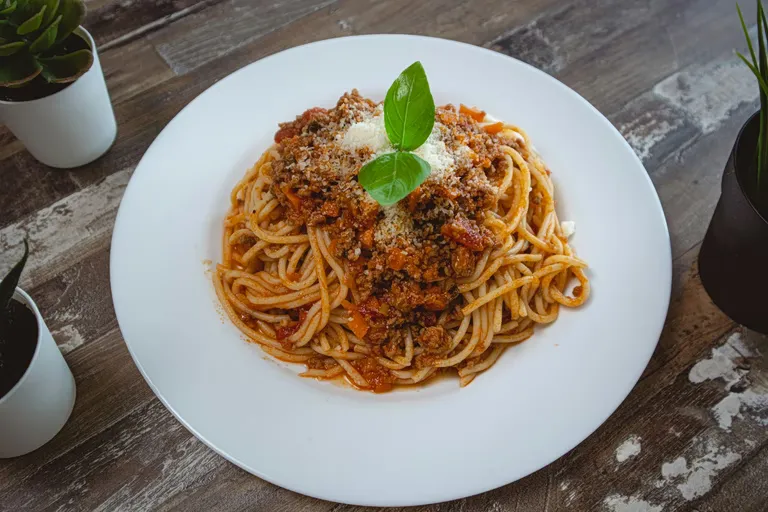
Why add vegetables to a traditional Bolognese sauce?
Adding vegetables to a Bolognese sauce serves two primary purposes: increasing the nutritional density of the meal and creating a more complex, flavorful base for the meat. While traditional recipes often rely heavily on meat and tomato, incorporating a variety of vegetables introduces different textures and natural sweetness that balances the acidity of the tomatoes.
The specific "twist" in this recipe is the technique of pureeing the vegetables. Instead of leaving chunks of onion or carrot in the sauce, which can sometimes be picked out by picky eaters, the vegetables are boiled and then processed into a smooth puree. This ensures that the nutritional benefits of the carrot, zucchini, and pepper are fully integrated into every bite of the meat sauce.
Nutritional benefits of the vegetable blend
By using a combination of onion, carrot, zucchini, and red bell pepper, the sauce gains a wide spectrum of micronutrients. Carrots provide beta-carotene, zucchini adds dietary fiber and hydration, and red peppers are a significant source of Vitamin C. When these are blended into the beef mince, they create a voluminous sauce that feels indulgent while remaining significantly more balanced than a meat-only version.
What ingredients are required for this recipe?
To prepare this enhanced Spaghetti Bolognese, you will need a specific set of fresh produce and pantry staples. The recipe is designed to serve approximately six people, making it ideal for family dining.
- The Vegetable Base: 1 coarsely chopped onion, 1 finely grated carrot, 1 zucchini (ends removed and finely chopped), and 1 red bell pepper (seeded and cut into thin strips).
- The Protein: 500g of lean beef mince.
- The Sauce Components: 1 can (400g) of chopped tomatoes, 2 tablespoons of tomato paste, 1 beef stock cube, and 1 bay leaf.
- Seasoning and Herbs: 1 teaspoon of dried oregano or a mixed herb blend, salt, and freshly ground black pepper.
- The Pasta and Toppings: 300g of spaghetti and grated Parmesan or another hard cheese for serving.
How do you prepare the vegetable puree base?
The first critical step in this recipe is creating the smooth vegetable foundation that will define the sauce's texture. This process involves boiling the vegetables to soften them sufficiently for blending.
Begin by placing the chopped onion, grated carrot, zucchini, and red pepper strips into a large, heavy-bottomed saucepan. Pour in 500ml of water until the vegetables are completely submerged. Bring the mixture to a boil, then reduce the heat and allow it to simmer for approximately 8 to 10 minutes. The goal is to reach a state where the onion and bell peppers are very soft.
Once the vegetables have reached the desired tenderness, remove the pot from the heat. Using a hand blender (immersion blender), process the vegetables directly in the pot until they transform into a completely smooth, uniform puree. Set this mixture aside and keep it warm while you prepare the meat component.
How do you cook the meat and combine the sauce?
The second stage of the process focuses on browning the meat and simmering the sauce to allow the flavors to meld through a slow-cooking process.
Heat a second non-stick pan with a lid over medium heat. Add the 500g of lean beef mince directly to the pan without adding any oil. Cook the mince for 3 to 5 minutes, using a wooden spoon to break up any large clumps. Continue cooking until the meat has browned slightly on the exterior.
Once the meat is browned, it is time to build the sauce layers. Add the prepared vegetable puree, the canned chopped tomatoes, the tomato paste, and the dried herbs to the pan with the meat. Crumble the beef stock cube into the mixture and add the bay leaf. Season with black pepper and stir thoroughly to combine all elements.
The importance of the simmering stage
After the initial mixing, bring the sauce to a boil, then immediately lower the heat. Cover the pan with a lid, leaving a small opening to allow excess steam to escape. Allow the sauce to simmer gently for 25 to 30 minutes. It is vital to stir the sauce frequently during this period; as the liquid evaporates, the sauce will thicken, and frequent stirring prevents the bottom from scorching while ensuring a rich, cohesive consistency.
How should the spaghetti be served?
While the sauce simmers, you can prepare the pasta to ensure everything is served at the optimal temperature.
Bring a large pot of salted water to a rolling boil. Add the 300g of spaghetti and cook according to the package instructions. For the best culinary experience, aim for an "al dente" texture—meaning the pasta should be tender but still offer a slight resistance when bitten.
To serve, divide the cooked spaghetti into six plates. Generously ladle the thick, vegetable-enriched Bolognese sauce over the top of each portion. To complete the dish, add a final sprinkle of freshly ground black pepper and a liberal amount of grated Parmesan or your preferred hard cheese. This adds a salty, umami finish that complements the savory sauce.
Frequently asked questions
Can I use different vegetables in this recipe?
Yes, you can substitute the vegetables as long as they can be pureed. Celery or mushrooms work well to add depth, but ensure you adjust the simmering time if the new vegetables require more cooking to soften completely before blending.
Is it possible to make this recipe vegetarian?
You can easily transform this into a vegetarian dish by replacing the 500g of beef mince with a plant-based meat alternative or a combination of lentils and finely chopped mushrooms. If using lentils, ensure they are pre-cooked or simmered longer.
Do I need to use oil to brown the meat?
No, this specific recipe calls for browning the lean beef mince in a non-stick pan without added oil. The natural fats in the beef will be sufficient to prevent sticking and provide flavor during the initial 3 to 5 minutes of cooking.
How can I store the leftovers?
The Bolognese sauce and the cooked spaghetti can be stored in airtight containers in the refrigerator for up to 3 days. For longer storage, the sauce freezes exceptionally well for up to 3 months.
What if my sauce is too thin?
If the sauce has not thickened sufficiently after 30 minutes, remove the lid entirely and increase the heat slightly. Continue simmering for a few more minutes, stirring frequently, until the desired consistency is achieved.
Key takeaways
- Incorporate onion, carrot, zucchini, and red pepper by pureeing them into the sauce.
- Use 500g of lean beef mince to maintain a healthy protein balance.
- Simmer the sauce for 25 to 30 minutes to develop deep flavors.
- Cook the spaghetti al dente for the best texture and mouthfeel.
Conclusion
This vegetable-enhanced Spaghetti Bolognese offers a sophisticated approach to a household staple. By utilizing a pureed vegetable base, the recipe successfully masks additional nutrients, making it an ideal solution for families looking to increase vegetable intake without sacrificing the classic taste of meat sauce. The process, while requiring a few extra steps like boiling and blending, results in a much richer, more complex sauce. Whether served as a quick weekday meal or a more deliberate family dinner, this recipe proves that healthy eating and comfort food can coexist seamlessly.