Nutritional density in the cucumber peel
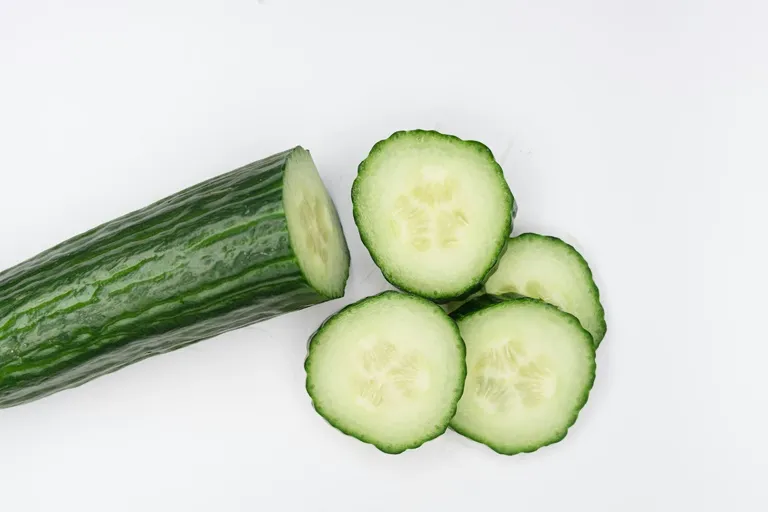
Retaining the skin allows for a higher intake of dietary fiber and micronutrients compared to consuming only the flesh. While the entire vegetable is nutritious, the peel acts as a concentrated source of specific elements that support bodily functions. The nutritional profile of a cucumber is characterized by high water content and low calories, but the skin specifically houses the majority of its protective plant compounds.
Vitamin and mineral distribution
The cucumber contains vitamin K, which is essential for normal blood clotting and bone health. In addition to vitamin K, the vegetable provides small amounts of potassium, magnesium, calcium, and phosphorus. These minerals are more highly concentrated in the peel, where they support critical biological processes such as muscle contraction and the transmission of nerve signals. By leaving the skin intact, consumers ensure they receive a more robust dose of these essential elements.
Hydration and caloric efficiency
Cucumbers serve as a significant ally for daily hydration due to a water content that exceeds 95%. This high moisture level allows the vegetable to function as a supplementary source of fluids alongside other dietary intake. Regardless of whether the skin is removed, the hydrating effect remains largely consistent, though the peel adds an extra layer of nutritional value to every bite.
From a weight management perspective, cucumbers offer high volume with minimal caloric impact. A single cup of sliced cucumber provides only 15 to 20 calories. This characteristic makes them an efficient addition to salads or sandwiches, providing satiety without significantly increasing energy intake. To enhance the snack's nutritional profile, cucumbers can be paired with protein or healthy fat sources such as yogurt, hummus, or cheese.
| Nutrient/Property | Primary Benefit | Concentration Note |
|---|---|---|
| Water Content | Hydration | Exceeds 95% |
| Vitamin K | Blood clotting & bone health | Higher in the peel |
| Fiber | Digestive regularity | Concentrated in the peel |
| Calories | Low energy density | 15–20 kcal per cup |
The role of dietary fiber and antioxidants
The skin of the cucumber is a primary source of its dietary fiber, which aids in maintaining regular intestinal function. However, it is important to note that the total fiber contribution from cucumbers is relatively modest compared to other vegetables. For instance, one cup of cucumber provides approximately 0.5 grams of fiber, which is significantly less than the amount found in legumes or other high-fiber vegetables. Consequently, while keeping the skin intact is beneficial, cucumbers alone are not a sufficient solution for addressing constipation or meeting total daily fiber requirements.
Antioxidant protection
Beyond fiber, the peel contains plant substances with antioxidant properties. These compounds help protect cells from oxidative stress, which occurs when the balance between free radicals and the body's natural defenses is disrupted. While these antioxidants enhance the nutritional value of the vegetable, they should be viewed as part of a broader dietary pattern rather than a standalone preventative measure for cardiovascular disease or systemic inflammation.
Preparation and safety for consumption
To safely consume cucumbers with the skin on, thorough cleaning is the most critical step in preparation. Because the skin is the part in direct contact with the environment during growth, it must be washed well under running water. Rubbing the surface gently while rinsing helps remove any surface residues or impurities.
Once cleaned, the cucumber can be sliced for various uses:
- Salads: Adding slices directly to greens for texture and color.
- Sandwiches: Providing a crisp element to midday meals.
- Snacking: Eating raw slices as a low-calorie, hydrating snack.
Even if a consumer ultimately decides to peel the vegetable due to texture preferences, the core nutritional benefits of the flesh—primarily hydration and low calorie density—remain intact. However, for those seeking to maximize the micronutrient and fiber benefits, the peel is a valuable component of the vegetable.