Why are electricity bills increasing so sharply in November 2026?
The primary driver of the current surge is a significant spike in the stock market prices of electricity, which serves as the benchmark for variable tariffs. In October, market prices rose by 26% compared to September, creating a ripple effect that is now being passed on to consumers through their November invoices. This trend follows previous price rallies in transport fuels and heating oil, suggesting a broader energy-driven inflationary pressure.
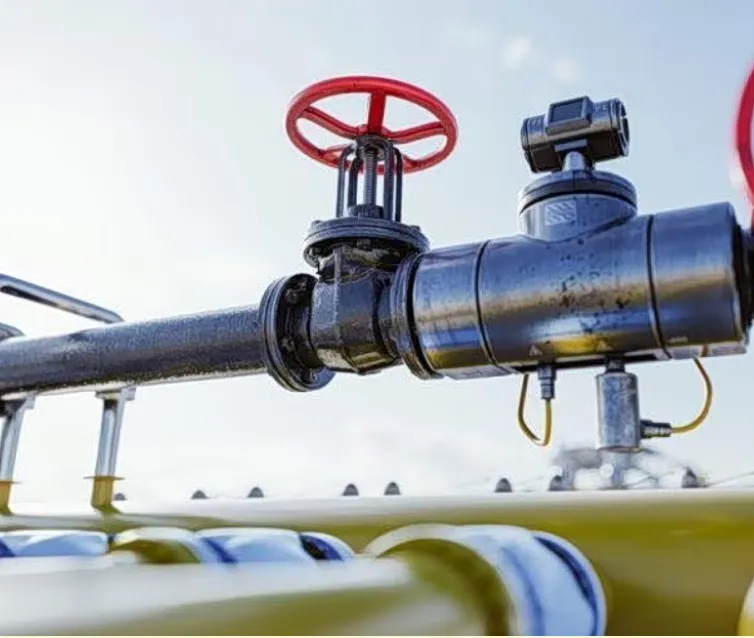
The volatility is deeply linked to the European natural gas market. Currently, TTF natural gas prices in Europe are fluctuating within a high range of €102 to €104 per MWh. Because natural gas is a fundamental component in electricity generation, these high costs directly influence the Day-Ahead Market (DAM) prices in Greece. The average price on the Greek energy exchange has reached €312.72 per MWh, a level reminiscent of the extreme energy crisis experienced in early 2022 following the geopolitical shifts and gas supply disruptions from Russia.
The connection between gas and electricity
The correlation between natural gas and electricity prices is direct. When TTF prices rise, the marginal cost of producing electricity increases, forcing the market price upward. This creates a cycle where high gas costs lead to high electricity prices, which in turn drives up the cost of living and production for businesses.
What is the impact of the current energy crisis on different tariff types?
The impact varies significantly depending on the type of electricity tariff a consumer holds, with "green" or variable tariffs facing the most drastic increases. Providers began announcing their November rates on November 1, revealing that green residential tariffs could see hikes ranging from 30% to as high as 76% compared to October figures.
According to RAEEY data from August, the Greek retail market is divided into three main categories of tariffs:
- Green (Variable) Tariffs: These account for 3,087,208 residential connections, representing 51.79% of the market. These are the most vulnerable to market volatility.
- Blue (Fixed) Tariffs: These cover 1,885,702 residential connections (31.63% of the market) and offer more stability.
- Yellow Tariffs: These represent 988,383 meters (16.58% of the market).
As green tariffs become increasingly expensive, many providers are actively encouraging customers to migrate to fixed or "blue" tariffs to ensure more predictable monthly expenses. The cost for green tariffs is currently ranging between €0.26 and €0.36 per kWh.
How is PPC responding to the market volatility?
PPC (Public Power Corporation), the dominant player in the Greek market, is implementing a dual-strategy intervention to mitigate the impact of these increases and maintain its large customer base. Holding 71.34% of the total market with 5.4 million meters, PPC is particularly exposed to the volatility of the green tariff segment, where a large portion of its residential customers are located.
PPC's first intervention involves stabilizing its fixed-rate products. The company has promoted its "MyHome Online" product, offering a fixed rate of €0.13 per kWh. This is a notable shift from the €0.115 per kWh rate that was available until October 31, showing that while the company is absorbing some costs, it is also adjusting to the new market reality.
The second part of PPC's strategy is to significantly dampen the increases within the green tariff category. While the stock market price rose by 26%, PPC has limited the increase for its G1/G1N green tariff to just 6.2%, setting the rate at €0.169 per kWh for November. This move is designed to protect its customers from the full brunt of the market spike and to pressure competitors to follow suit with more moderate pricing.
What role do the government and the EU play in stabilizing prices?
The Greek government is currently searching for ways to restrain these price increases, though it faces significant challenges due to limited fiscal headroom. Having already provided subsidies for liquid fuels, the state's ability to intervene further in the electricity market is constrained. Currently, the government appears to be adopting a "wait and see" approach, monitoring market prices throughout November with the possibility of implementing state interventions in December.
The situation is further complicated by the lack of a unified response from the European Union. While Brussels remains the central authority for energy policy, there is currently a divergence of opinions among EU member states regarding the scope and method of intervention. This lack of consensus has delayed large-scale European measures that could help stabilize prices. However, the Greek government is looking toward the European Commission for potential fiscal flexibility that could allow for more robust support measures in the coming months.
What are the long-term economic risks of these price hikes?
If the rally in electricity prices is not contained, there is a significant risk of triggering a new wave of inflation. High energy costs act as a multiplier for inflation because electricity is an essential input for almost every sector of the economy, from manufacturing to retail and services. This could lead to higher prices for consumer goods and services, potentially offsetting previous efforts to stabilize the economy.
The current scenario mirrors the 2022 crisis, raising concerns about the resilience of the European energy infrastructure and the stability of consumer purchasing power. The transition from volatile market-based pricing to more stable, potentially subsidized models remains a critical debate for policymakers in both Athens and Brussels.
Frequently asked questions
How much are electricity bills increasing in November 2026?
Increases vary depending on the tariff type. Green (variable) residential tariffs are seeing significant jumps of 30%, 43%, or even up to 76% compared to October. In contrast, some providers like PPC are limiting their green tariff increases to approximately 6.2% to mitigate the impact.
Why are electricity prices rising so much right now?
The rise is driven by a 26% increase in stock market electricity prices during October and high natural gas prices. European TTF gas prices are currently between €102 and €104 per MWh, which directly pushes up the cost of electricity generation in the Day-Ahead Market.
What is the difference between green and blue tariffs?
Green tariffs are variable, meaning their price fluctuates based on the daily stock market prices of electricity, making them subject to sudden spikes. Blue tariffs are fixed-rate products, providing consumers with more stability and protection against market volatility, though they may have different base costs.
Is the Greek government intervening to lower my bill?
The Greek government is looking for ways to contain the increases but is currently working within tight fiscal limits. While they are monitoring the situation throughout November, significant state interventions or subsidies are more likely to be considered or implemented in December.
What is the current average market price for electricity?
The average price in the Day-Ahead Market (DAM) on the Greek energy exchange has surged to €312.72 per MWh. This level is comparable to the extreme prices seen during the height of the energy crisis in the winter of 2022.
Key takeaways
- Green electricity tariffs face massive increases of up to 76% in November 2026.
- The Day-Ahead Market average has spiked to €312.72 per MWh.
- High natural gas TTF prices between €102-€104 per MWh are driving the surge.
- PPC is limiting its green tariff increase to 6.2% to protect customers.
- Government intervention is expected to be monitored through November for potential December action.
Conclusion
The surge in electricity prices for November 2026 represents a significant economic challenge for Greek households and businesses alike. With green tariffs experiencing unprecedented hikes due to volatile stock market prices and high natural gas costs, the risk of renewed inflationary pressure is substantial. While major players like PPC are attempting to cushion the blow through strategic tariff adjustments, the broader stability of the market remains dependent on both national fiscal decisions and a more unified European energy policy. As the winter approaches, the ability of the state to provide timely support will be crucial in preventing a prolonged energy crisis.