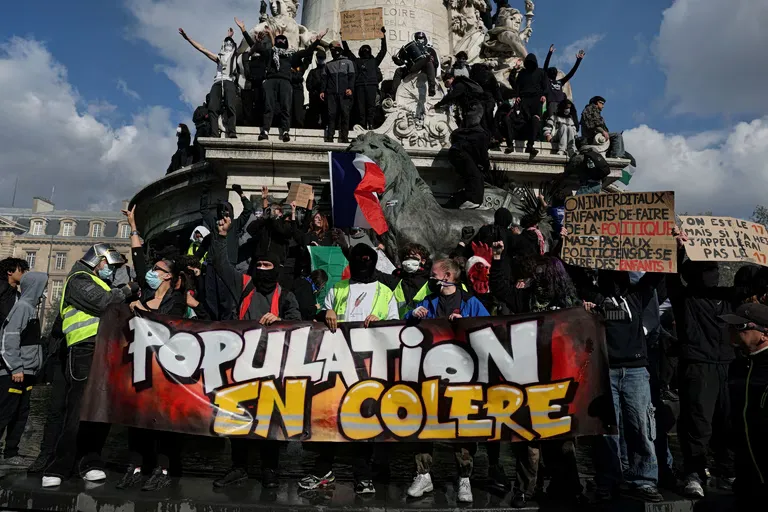
Government efforts to secure the right to protest
Prime Minister Sebastien Lecornier is initiating critical discussions with labor representatives to safeguard the legal framework of public demonstrations. According to a letter sent to the involved organizations, the Prime Minister aims to address the methods used to ensure the necessary freedom of assembly. This move follows concerns that certain actions might undermine the legitimacy of peaceful protests by associating them with unacceptable behaviors.
The meeting, scheduled for Wednesday, will include representatives from five influential French trade unions: CFDT, CGT, FO, CFTC, and CFE-CGC. To bolster the government's position, Interior Minister Laurent Nuñez is also expected to attend the talks. The primary objective is to establish a clear path for exercising democratic rights while maintaining public order and preventing the escalation of unrest into violence.
The involvement of the Interior Ministry suggests that the state is prioritizing the management of potential security risks. By engaging directly with union leadership, the administration hopes to preemptively address grievances that often fuel spontaneous and uncoordinated street actions. However, the success of these talks remains uncertain given the diverse and often conflicting demands of the various groups involved in the current social climate.
Rising mobilization from Yellow Vests and students
Significant social unrest is scheduled to unfold this weekend, driven by the Yellow Vests and high school students. The Yellow Vests movement has officially submitted a request to organize a peaceful march this Saturday. This mobilization follows previous nationwide demonstrations, indicating a persistent level of dissatisfaction within this segment of the population.
In Paris, the planned route for the Yellow Vests is expected to be a major focal point for security forces. According to Benjamin Bol, an organizer who manages a website tracking upcoming demonstrations, the march is set to begin at the Place de la Bastille and conclude at the Opéra in the capital. Such high-profile routes often serve as symbolic battlegrounds for social movements in France.
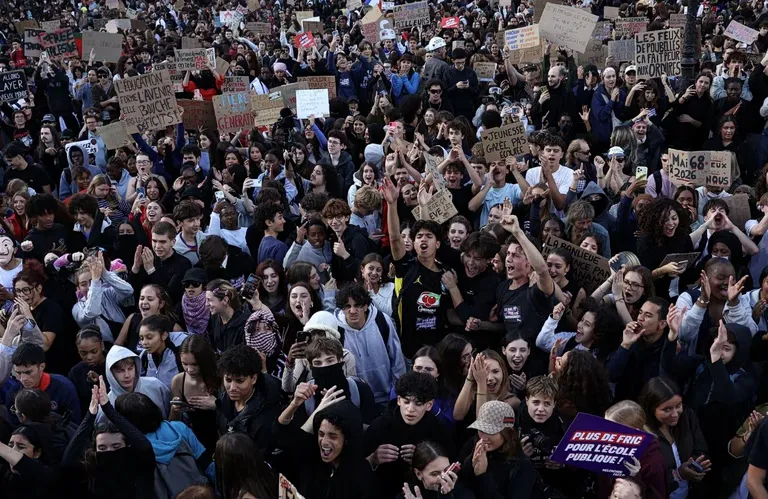
Simultaneously, French high school students are preparing their own demonstrations. While the Prime Minister intended to use the union meeting to present responses to student demands, the CFDT and CGT unions expressed disappointment regarding the absence of student organizations from the official talks. The students' grievances are multifaceted, involving several key areas of concern:
- Adjustments to school hours and scheduling.
- Management of teacher substitutions and staffing.
- The renovation and maintenance of educational buildings.
- Issues related to the Parcoursup university admission system.
The upcoming calendar of industrial action
The current wave of unrest is not a single event but a series of escalating actions planned throughout the coming weeks. While the immediate focus is on the demonstrations scheduled for this Saturday, the broader labor movement has already set its sights on further action in November. This staggered approach suggests a prolonged period of social tension in France.
Trade unions have officially scheduled their own coordinated strikes and demonstrations for November 5. This upcoming date serves as a secondary peak in the protest calendar, potentially building on the momentum generated by the Yellow Vests and student movements in October. The gap between the weekend protests and the November actions provides a window for the government to negotiate, but also a period of heightened anticipation.
The government's ability to address the specific, localized demands of students—such as building renovations and the Parcoursup system—will be tested. If the administration fails to provide substantive answers during these early meetings, the November 5 demonstrations could see even higher participation rates. The intersection of student activism, traditional union power, and the grassroots energy of the Yellow Vests creates a complex landscape for the Lecornier administration to navigate.
Frequently Asked Questions
Who is participating in the government meetings?
The meetings involve Prime Minister Sebastien Lecornier and Interior Minister Laurent Nuñez. They are meeting with representatives from five major French trade unions: CFDT, CGT, FO, CFTC, and CFE-CGC. The goal is to discuss the protection of the right to demonstrate and maintain public order.
What are the Yellow Vests planning for this Saturday?
The Yellow Vests have submitted an official request to hold a peaceful march this Saturday. In Paris, the demonstration is expected to start at the Place de la Bastille and end at the Opéra. The movement continues to organize nationwide actions to express their ongoing grievances.
What are the primary demands of the French students?
Students are seeking specific improvements regarding their educational environment and systems. Their main demands include changes to school hours, better management of teacher substitutions, the renovation of school buildings, and addressing concerns related to the Parcoursup platform used for higher education admissions.
When is the next major union demonstration scheduled?
While various groups are active this weekend, the major trade unions have officially scheduled their own large-scale demonstrations for November 5. This date represents a significant upcoming milestone in the current cycle of social protests and industrial action across France.
Conclusion
The upcoming weeks represent a critical juncture for the French government as it attempts to manage a multi-fronted surge in social unrest. By engaging with major unions, Sebastien Lecornier is seeking to stabilize the democratic process and ensure that the right to protest is not eclipsed by civil disorder. However, with the Yellow Vests, students, and labor unions all presenting distinct and urgent demands, the administration faces a difficult balancing act. The success of these early diplomatic efforts will likely determine whether the planned demonstrations in November escalate into a broader period of sustained national instability.