What is the significance of the Libya-Turkey memorandum approval?
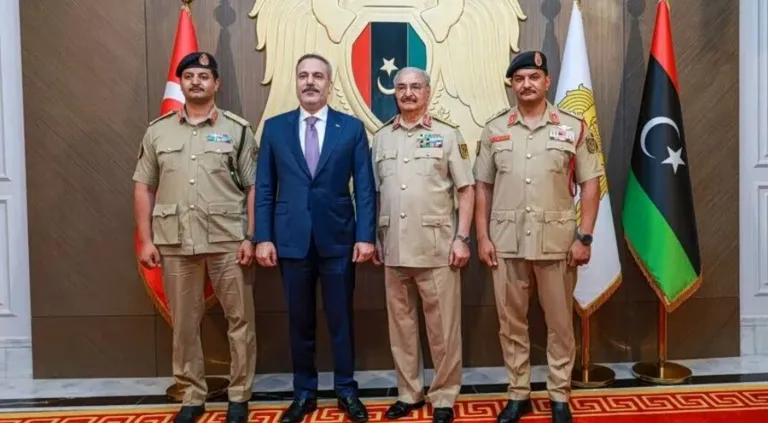
The Libyan House of Representatives, the official authority controlled by Eastern Libya and the forces of Khalifa Haftar, approved the Libya-Turkey memorandum on Tuesday, October 21, 2026. This legislative move formally overturned a 2020 decision that had mandated the cessation of political relations with the Republic of Turkey. For diplomats, this shift represents a pragmatic realignment driven by the pursuit of stability and economic resources rather than ideological consistency.
The approval marks a departure from previous hostilities. While Turkey was once viewed as an adversary of Benghazi and the Libyan National Army (LNA), the current leadership has embraced a policy of 'interests over enmity.' This transition suggests that in divided states like Libya, governing factions will prioritize immediate support and resource access over long-standing political grievances.
The shift in Benghazi's political stance
The decision highlights the fluid nature of Libyan politics, where competing governments frequently seek external patrons to bolster their domestic standing. By reconciling with Ankara, the eastern leadership aims to integrate itself into a broader Mediterranean framework, potentially leveraging Turkish influence to secure its own economic and territorial rights.
How has Sandum Haftar responded to the new agreement?
Sandum Haftar has publicly welcomed the memorandum, characterizing it as a tool for enhancing security, stability, and shared prosperity. Following the parliamentary vote, Haftar utilized social media to emphasize that the restoration of Benghazi-Ankara relations is a strategic step toward protecting Libya's national interests and sovereignty.
According to statements made by Sandum Haftar, the agreement is intended to serve as a mechanism to protect Libya's economic rights within the Mediterranean. He framed the cooperation as part of a wider vision to engage with various Mediterranean states based on equality and mutual respect. His rhetoric suggests that the memorandum is not merely a bilateral pact but a gateway to broader regional partnerships and long-term investments.
Haftar also addressed the internal political landscape, noting that the primary national priority remains the unification of state institutions and the restoration of authority across the entire Libyan territory. This indicates that the rapprochement with Turkey is being presented to the Libyan public as a means to achieve national unity and strengthen the state's ability to manage its external affairs and resources independently.
What role does Turkey play in the Libyan conflict?
Turkey functions as a dominant power in the Middle East and Eastern Mediterranean, utilizing a combination of military presence and economic incentives to exert influence in Libya. Analysts note that Ankara has maintained significant troop deployments in the country and has worked closely with the Tripoli-based government from the outset.
The Turkish approach toward Benghazi has been described as a 'carrot and stick' strategy, offering both protection and financial support to secure its objectives. This influence is further bolstered by perceived support from major international actors, including the United States, the United Kingdom, and Spain. The ability of Turkey to navigate the complexities of Libyan internal politics allows it to act as a decisive broker in regional disputes.
The 'Syrian Model' of influence
Some Libyan analysts suggest that the regional dynamics mirror the situation in Syria, where local actors often face a binary choice: cooperate with Turkey or face the imposition of a Turkish-aligned administration. This comparison underscores the high stakes for Libyan factions attempting to maintain autonomy while negotiating with a power as assertive as Ankara.
How does the memorandum affect Greek foreign policy?
The approval of the memorandum poses a direct challenge to Greek interests, particularly regarding maritime boundaries and the rights of island nations. For Athens, the agreement serves as a tool for Turkey to solidify its stance that islands do not possess full maritime zone rights, effectively attempting to block Greece from extending its territorial waters to the 12-nautical-mile limit.
Greece has historically responded to Libyan developments with an occasional or reactive approach, often lacking a consistent long-term presence. While Athens previously invested in supporting the Haftar faction and Benghazi, this support has waned as Turkey successfully utilized its diplomatic and economic weight to win over the eastern leadership. The current situation highlights a deficit in Greek proactive diplomacy compared to the sustained engagement demonstrated by Ankara.
Moving forward, Greece faces several strategic options. One pathway involves exerting pressure through the European Union and its international allies to contest the legality of the memorandum. Additionally, the issue of migration remains a critical lever, as the Benghazi-based authorities hold significant influence over migration flows, which serves as a major point of pressure on the Greek state.
What are the international efforts to stabilize Libya?
International mediation remains active, with the United Nations promoting initiatives such as the '4+4' process to foster institutional unity. Concurrently, American diplomatic figures, including Masad Boules—a senior advisor to Donald Trump on African and Arab affairs—are reportedly promoting plans to reunify Libyan institutions by engaging with leaders like Abdel Hamid Dbeibah and Sandum Haftar.
The complexity of international mediation
While these international efforts aim for stability, the influence of regional powers like Turkey remains a complicating factor. Any successful reunification process must navigate the competing interests of the various factions and their external patrons, ensuring that any new central authority can effectively manage both domestic stability and international maritime and resource claims.
Frequently asked questions
Why did the Libyan House of Representatives reverse its stance on Turkey?
The House of Representatives reversed its 2020 decision to sever ties with Turkey to pursue new economic and security interests. This shift reflects a pragmatic approach by the Benghazi-based leadership, prioritizing regional cooperation and resource protection over previous political hostilities with Ankara.
How does the Libya-Turkey memorandum impact maritime rights?
The memorandum is used by Turkey to reinforce its claim that Mediterranean islands do not have exclusive rights to maritime zones. This directly challenges Greece's ability to extend its territorial waters and impacts the legal framework for resource exploration in the Eastern Mediterranean.
What is Sandum Haftar's position on the agreement?
Sandum Haftar supports the memorandum, viewing it as a strategic tool to protect Libya's economic rights and enhance regional stability. He frames the cooperation as a means to achieve national unity and strengthen Libya's standing in the Mediterranean through bilateral partnerships.
How has Turkey influenced the Benghazi leadership?
Turkey has utilized a 'carrot and stick' approach, combining military presence and financial incentives to gain influence. By offering economic opportunities and security cooperation, Ankara has successfully shifted the political alignment of Eastern Libyan factions toward a more cooperative relationship.
What can Greece do to respond to this development?
Greece can seek to exert diplomatic pressure through the European Union and its international partners. Additionally, managing migration issues and maintaining a more consistent, proactive diplomatic presence in Libya are identified as essential strategies for protecting Greek national interests.
Key takeaways
- The Libyan House of Representatives approved a memorandum with Turkey, reversing a 2020 decision to sever ties.
- Sandum Haftar views the agreement as a way to protect Libya's economic and maritime interests.
- Turkey uses the memorandum to challenge Greek maritime claims regarding island territorial waters.
- The shift in Benghazi marks a move toward pragmatic, interest-based diplomacy over previous hostilities.
- International actors, including the UN and US advisors, are seeking ways to reunify Libyan institutions.
Conclusion
The rapprochement between Benghazi and Ankara represents a significant realignment in the Eastern Mediterranean. By approving the Libya-Turkey memorandum, the House of Representatives has prioritized economic and security pragmatism over long-standing political friction. This move not only strengthens Turkey's regional influence but also creates substantial diplomatic and maritime challenges for Greece. As international actors attempt to mediate a path toward Libyan unification, the influence of external powers like Turkey will continue to shape the country's internal stability and its ability to manage sovereign resources and territorial claims.