What are the primary safety failures identified at the Gravas school?
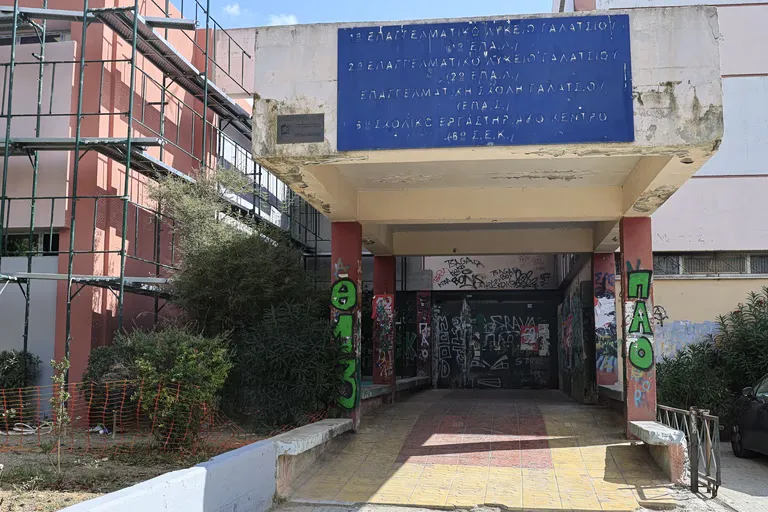
The Technical Chamber of Greece (TEE) has identified critical failures in the natural gas infrastructure at the Gravas school complex, specifically regarding leak detection and emergency manual controls. During the inspection period from October 17 to 19, 2026, auditors discovered that the gas leak detection system in one of the boiler rooms was entirely non-functional. This failure directly undermines the primary defense mechanism against potential gas accumulation.
Furthermore, the inspection highlighted significant accessibility issues regarding emergency shutdown procedures. In one boiler room, the central extraction device was located in a position that was not easily accessible to operators. In a second installation, the safety valve—which allows for the manual interruption of the natural gas supply during an emergency—was found to be missing its handle, rendering it effectively useless in a crisis situation.
Inaccessible safety mechanisms
The inability to quickly access or operate safety valves and extraction systems represents a major breach of standard operating procedures. According to the TEE findings, these mechanical deficiencies prevent immediate response during a leak or fire, potentially escalating a minor incident into a major disaster. Additionally, the second boiler room could not be fully inspected due to ongoing construction work on the site, leaving a portion of the facility's safety status unverified.
How do fire protection and installation discrepancies affect safety?
Serious fire protection deficiencies were noted due to the unsafe coexistence of high-risk equipment within the same spaces. The TEE report points out that boilers and electrical installations are currently sharing the same areas without the protection of airtight, fireproof doors. This lack of compartmentalization means that an electrical fault could easily ignite a gas-related incident, or vice versa, with no physical barrier to contain the spread of fire.
Beyond fire safety, there are significant discrepancies between the physical installations and the officially approved technical studies. These deviations suggest that the current state of the facility does not match the safety parameters originally certified by engineers. Notable examples include:
- Pipeline exposure: A section of the network that was documented in studies as being underground with welded connections was found in an open manhole, using screw connections and lacking the required anti-corrosion protection.
- Material mismatch: The central boiler room features a steel pipeline constructed externally, whereas the official technical study specifies an underground polyethylene pipe.
These discrepancies complicate maintenance and emergency response, as technicians cannot rely on official blueprints to navigate the actual physical layout of the gas network.
What is the status of the reported gas odor?
The source of the reported odor at the Gravas school remains unidentified as of the latest technical report. While the odor prompted the inspection, the TEE's findings indicate that no active gas leak was detected during the testing period. This creates a complex situation where the smell is present, but the mechanical inspections do not point to a continuous, measurable leak from the primary infrastructure.
However, the TEE has expressed concern regarding the long-term integrity of the network. During a sampling check of seven welds within the network, one weld failed to meet the minimum technical specifications. This failure increases the risk of future structural fatigue and potential leaks, suggesting that even if no leak is currently active, the system's reliability is compromised. Consequently, the TEE has recommended a comprehensive inspection of all welds throughout the entire network to prevent future failures.
How has the Athens Municipality responded to the findings?
The Mayor of Athens, Haris Doukas, has expressed frustration regarding the lack of official communication from central authorities. Despite the TEE report being published in the media, the municipality claims it has not yet received any formal documentation regarding the findings, despite multiple requests for information.
Mayor Doukas described the situation as "unthinkable," noting that the city administration is learning about the critical safety status of the Gravas schools through newspaper reports rather than official channels. This communication gap has added a layer of administrative tension to an already sensitive public safety issue, as the municipality is tasked with oversight but lacks the direct data required to implement immediate corrective actions.
Key takeaways
- The TEE identified non-functional gas leak detectors and missing handles on safety valves in the Gravas school boiler rooms.
- Fire protection is compromised by the lack of fireproof doors separating boilers from electrical installations.
- Significant deviations exist between the actual gas pipelines and the approved technical engineering studies.
- One inspected weld failed to meet minimum technical standards, increasing the long-term risk of structural failure.
- The source of the reported odor remains unknown as no active leak was detected during the inspection.
FAQ: Gravas school gas safety
What specific equipment was found to be non-functional?
The inspection found that the gas leak detection system in one boiler room was out of operation. Additionally, a safety valve in a second installation lacked a handle, making it impossible to manually shut off the gas supply during an emergency.
Why is the fire protection at the school considered inadequate?
Fire protection is insufficient because boilers and electrical installations are located in the same space without airtight, fireproof doors. This setup allows for a high risk of fire spreading rapidly between electrical and gas-related components.
Did the TEE find an active gas leak?
No, the TEE report states that no active gas leak was detected during the inspections. However, the source of the reported odor remains unidentified, and the technical integrity of the system is considered at risk due to other flaws.
What are the discrepancies in the gas network?
Discrepancies include a steel pipe being installed externally instead of the specified underground polyethylene pipe, and a section of the network being found in an open manhole without proper anti-corrosion protection.
What did the Mayor of Athens say about the report?
Mayor Haris Doukas stated that the municipality has not received any official documents regarding the TEE findings despite repeated requests, expressing that it is "unthinkable" to learn about such critical safety issues through the media.
Conclusion
The TEE report on the Gravas school gas safety highlights a systemic failure to adhere to established safety protocols and technical specifications. While an active leak has not yet been confirmed, the combination of non-functional detection systems, inadequate fire compartmentalization, and substandard welding presents a significant risk to the school community. The proposed 14 interventions are essential to align the facility with approved safety studies. Moving forward, both the technical rectification of the infrastructure and the resolution of the communication gap between the TEE and the Athens Municipality will be critical to ensuring long-term student safety.