What is the schedule for the October 2026 protests?
The mobilization is structured as a two-day event occurring on Tuesday, October 20, and Wednesday, October 21, 2026. The first day focuses on symbolic resistance in the heart of Athens, while the second day serves as the peak of the educational demonstrations.
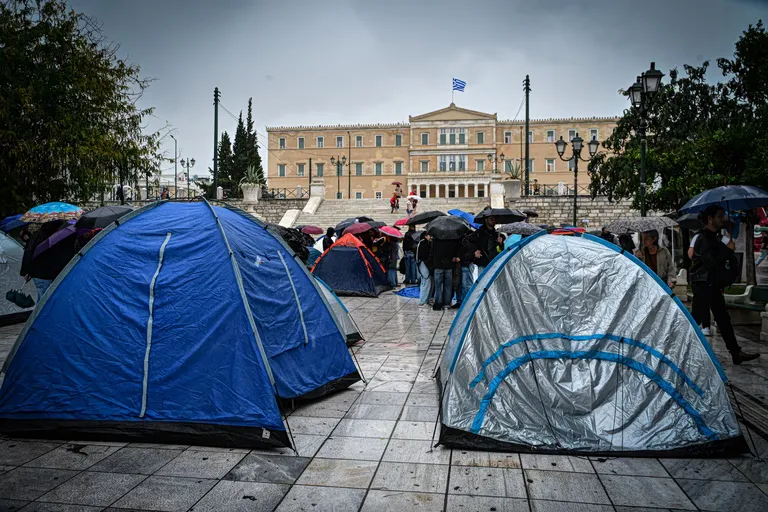
On Tuesday, October 20, students from dozens of Athenian schools plan to gather at Syntagma Square. This gathering includes a symbolic encampment, marking the second such protest this academic year. To accompany the encampment, a large solidarity concert has been organized, featuring various musical groups and artists. This event was previously postponed due to unfavorable weather conditions but has now been rescheduled to provide a platform for student expression.
The second day, Wednesday, October 21, represents the climax of the movement. Student unions have decided to close various schools to participate in a pan-educational rally scheduled for 12:00 PM at the Presidential Mansion (Propylaea). Simultaneously, strike-related gatherings are planned across the country. In Thessaloniki, a major meeting is set for 11:30 AM at the Venizelos Monument, where students will be joined by pupils, parents, and educators from all levels of schooling.
Key participation in Athens and Thessaloniki
The scale of the Wednesday rally is supported by significant institutional involvement. At least 15 major student unions from Attica have already confirmed their participation, including the National and Kapodistrian University of Athens (NKUA), the National Technical University of Athens (NTUA), the University of West Attica, and the Athens University of Economics and Business (AUEB). Additionally, the NTUA Student Association for those living in new dormitories has joined the call. This growing number of participants reflects a deepening level of organization within the student body.
Why are students demanding changes to the education system?
The primary driver for the Greek student protests 2026 is the unsustainable cost of living and the perceived lack of state support for higher education. Students argue that the current reality has exceeded the limits of human endurance, particularly regarding basic survival needs.
The core demands of the movement are categorized into several urgent pillars:
- Increased State Funding: An immediate boost to the budgets of universities and schools to address critical shortages in infrastructure, laboratory equipment, and essential supplies.
- Housing and Food Security: The construction of new student dormitories, coverage of rent costs for students studying away from their homes, and an upgrade to the quality of free student meals.
- Staffing and Personnel: Mass appointments of permanent professors, administrative staff, and technical personnel to fill significant vacancies within academic institutions.
- Infrastructure and Safety: The maintenance and modernization of building facilities to ensure safe environments for both teaching and learning.
The housing crisis is a central theme of the discontent. With rents for student accommodations reaching unaffordable levels, students claim that the right to housing has been transformed into a daily struggle for survival. This economic pressure, combined with the inadequacy of student dining halls and the rising cost of basic necessities, has catalyzed this new phase of student activism.
How is the protest being supported by labor unions?
The pan-educational rally is not an isolated event but is integrated into a broader wave of social and labor unrest across Greece. On Wednesday, October 21, several labor unions and federations are conducting strikes and gatherings, creating a unified front of demands.
The healthcare sector is a major participant in this wave of solidarity. Hospital doctors and employees within the National Health System (ESY) are striking under the slogan, "Give money for the people's health—not for war and their profits." Their central gathering is scheduled for 12:00 PM outside the Ministry of Finance, where they are demanding significant wage increases and mass permanent recruitment. This highlights a convergence of interests between the education sector and public service workers.
Other participating groups include:
- Pensioners: The Collaborating Pensioner Organizations are organizing various meetings nationwide, with a central Athens gathering at 10:00 AM at the National Resistance Square (Kotzia).
- Culture and Education Workers: Employees from the Ministry of Culture and the Federation of Tertiary Education Administrative Staff (ODPTE) are participating through work stoppages.
- Special Education: The Association of Special Educational Personnel of Special Education Attica (SEEPΕΑΑ) has announced a 24-hour strike.
This coordinated effort suggests that the student movement is acting as a spark for a wider social mobilization involving multiple generations and professional sectors.
What is the long-term outlook for these mobilizations?
The organizers of the October 20-21 actions have made it clear that these two days are not the final stage of their struggle. Instead, they view these protests as a stepping stone toward further escalation.
Student unions and labor organizations are already looking toward the coming weeks, with their sights set on large-scale pan-Hellenic strikes scheduled for November. This indicates that the current momentum is intended to build sustained pressure on the government regarding the systemic issues facing the public sector and the younger generation. The focus remains on securing long-term structural changes rather than temporary concessions.
Frequently asked questions
When is the main rally taking place?
The peak of the protests occurs on Wednesday, October 21, 2026. The pan-educational rally is scheduled to begin at 12:00 PM at the Presidential Mansion in Athens. This follows the symbolic encampment and concert held on Tuesday, October 20, at Syntagma Square.
What are the students' primary demands?
Students are demanding increased state funding for schools and universities, the provision of free housing and food, mass hiring of permanent academic and administrative staff, and the modernization of educational infrastructure to ensure safe and functional learning environments.
Which universities are participating in the strikes?
At least 15 major student unions have confirmed participation, including the National and Kapodistrian University of Athens, the National Technical University of Athens, the University of West Attica, and the Athens University of Economics and Business.
Is there a protest in Thessaloniki?
Yes, a significant gathering is planned in Thessaloniki on Wednesday, October 21. The meeting is scheduled for 11:30 AM at the Venizelos Monument, involving students, teachers, and parents from various educational levels.
How are teachers and school staff involved?
Teachers and educators are participating through various actions. The Federation of Secondary Education Workers (OLME) and the Greek Teachers' Federation (DOE) have called for strikes and work stoppages to support the movement and facilitate participation in the rallies.
Key takeaways
- The protests are a two-day event on October 20-21, 2026, featuring encampments and rallies.
- Core demands include increased state funding, free student housing, and improved food security.
- The movement involves a broad coalition of students, teachers, healthcare workers, and pensioners.
- Major student unions from across Attica have officially joined the mobilization.
- Organizers intend to escalate actions with larger pan-Hellenic strikes in November.
Conclusion
The Greek student protests of October 2026 represent a significant moment of social mobilization, driven by the intersection of educational needs and economic hardship. By linking demands for better university funding and infrastructure with the urgent crisis of student housing and living costs, the movement has successfully bridged the gap between student activism and broader labor solidarity. As healthcare workers, pensioners, and educators join the fray, the demonstrations signal a growing dissatisfaction with current public service provisions. With further escalations planned for November, the movement appears positioned to maintain long-term pressure on the state to address these systemic social challenges.