Why are green electricity tariffs significantly more expensive than fixed rates?
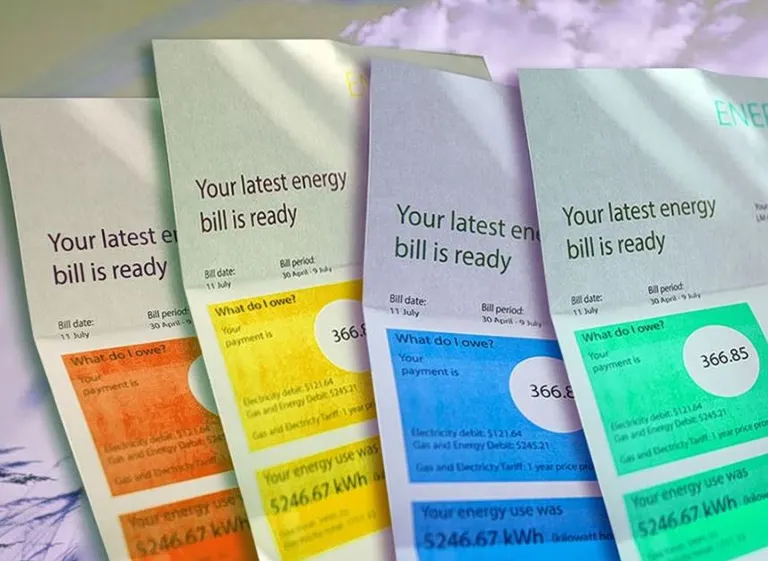
Green electricity tariffs for November 2026 are currently priced at levels that can be up to triple those of fixed-rate "blue" tariffs. While fixed rates offer predictability, the green plans—which are subject to market fluctuations—have seen their costs skyrocket due to recent energy market instability.
The disparity is particularly evident when comparing the most competitive options available. For instance, the cheapest green tariff currently on the market is nearly double the price of the PPC (Public Power Corporation) fixed rate, which remains the most economical option this month. The gap between these two categories is not merely a matter of cents but represents a fundamental difference in how energy is priced during periods of volatility.
The trap of tiered pricing structures
Many green tariffs utilize a two-tier pricing model, which can lead to unexpected expenses for households. These plans often feature a lower rate that applies only if consumption stays below a specific threshold, such as 100 or 200 kilowatt-hours (kWh) per month. If a consumer exceeds this limit, the provider may apply a higher rate to the entire consumption volume, starting from the very first kilowatt-hour. In November, these higher rates for green tariffs range from 26 cents per kWh to as high as 40 cents per kWh. In stark contrast, the PPC fixed rate is positioned at approximately 13 cents per kWh, highlighting the financial risk for consumers who exceed their predicted usage limits.
How have energy market fluctuations driven these price increases?
The sudden escalation in green electricity tariffs is a direct consequence of surging wholesale energy costs and natural gas volatility. According to APMΕ, the price revaluations seen in November are a reaction to natural gas prices in the European market climbing above €100 per megawatt-hour (MWh).
This spike in gas prices has a cascading effect on the electricity market. The wholesale price of electricity on the Greek exchange saw a significant jump in October. Specifically, wholesale prices rose to €197.07 per MWh in October, up from €156.31 per MWh in September. Because green tariffs are designed to reflect these real-time market movements, they absorb the full brunt of these price hikes, whereas fixed tariffs provide a buffer for the consumer.
What is the current state of consumer adoption in the energy market?
Despite the availability of cheaper fixed-rate alternatives, a significant portion of the consumer base remains tied to more expensive green tariffs. Regulatory Authority data from August indicates that only 31.63% of residential consumers are currently utilizing fixed tariffs.
While this figure represents an improvement from the 28.57% recorded in January, it remains a minority compared to the 51.79% of consumers still subscribed to green tariffs. This means that more than half of the residential market is currently exposed to the high costs and volatility of the energy crisis. There has also been a slight increase in the use of "yellow" (variable) tariffs, which rose to 16.58% in August from 14.15% in January.
The shifting trend toward fixed contracts
There is a clear and visible trend of consumers migrating toward "blue" or fixed-rate tariffs to mitigate financial risk. Even though fixed rates were highly competitive throughout the September-October period—with some PPC fixed rates available at just 11.5 cents per kWh—many households have yet to make the switch. The intensification of the energy crisis is expected to accelerate this movement toward stability as consumers seek to avoid the extreme price peaks seen in the green tariff segment.
How can consumers protect themselves from rising energy costs?
Consumers can protect their finances by monitoring their consumption patterns and evaluating the structure of their current tariff. The primary defense against market volatility is the transition from variable or green tariffs to fixed-rate contracts, which provide a ceiling on electricity costs.
Understanding the difference between a flat rate and a tiered rate is crucial. As noted in the current market analysis, consumers on green plans who exceed their monthly kWh limits can face rates as high as 40 cents per kWh. By switching to a fixed rate, such as the current 13 cents per kWh benchmark, households can achieve significant savings and budget more effectively during the autumn and winter months when energy demand typically increases.
Key takeaways
- Green electricity tariffs in November 2026 can cost up to three times more than fixed-rate options.
- Wholesale electricity prices rose to €197.07 per MWh in October, up from €156.31 in September.
- Natural gas prices in the European market have exceeded the €100 per megawatt-hour threshold.
- Only 31.63% of residential consumers were on fixed tariffs as of August 2026.
- Green tariff rates for high-usage consumers can reach up to 40 cents per kWh.
FAQ: Green electricity tariffs
Why are my green electricity bills so high right now?
Your green electricity bills are high because these tariffs are linked to wholesale market prices. Recent surges in natural gas prices (above €100/MWh) and wholesale electricity prices (€197.07/MWh in October) have directly inflated the costs of variable green plans.
Is a fixed tariff always better than a green tariff?
A fixed tariff is generally better for budgeting and protection against volatility. While green tariffs support renewable energy, they expose you to market spikes. Fixed rates, like the current 13 cents/kWh option, provide cost certainty that green plans currently lack.
What is the risk of tiered green tariffs?
The main risk is that exceeding a set consumption limit (e.g., 200 kWh) can trigger a higher rate for your entire usage. In November, these rates can climb from 26 cents to 40 cents per kWh, significantly increasing your total bill.
How many people use fixed electricity tariffs?
As of August 2026, approximately 31.63% of residential consumers use fixed tariffs. This is a higher percentage than the 28.57% recorded in January, but still much lower than the 51.79% currently using green tariffs.
How much did wholesale electricity prices increase?
Wholesale electricity prices on the Greek exchange increased from €156.31 per MWh in September to €197.07 per MWh in October. This upward trend is a primary driver for the increased costs seen in variable green electricity contracts.
Conclusion
The current energy landscape in 2026 reveals a stark divide between consumers seeking environmental alignment through green tariffs and those prioritizing financial stability through fixed rates. With green tariffs reaching up to triple the cost of fixed alternatives due to soaring gas and wholesale electricity prices, the financial burden on the 51.79% of consumers remaining on variable plans is substantial. As the energy crisis intensifies, the trend toward fixed-rate "blue" tariffs is expected to grow, as households seek to insulate themselves from the extreme volatility of the European energy markets.