The disproportionate impact of housing on inflation rates
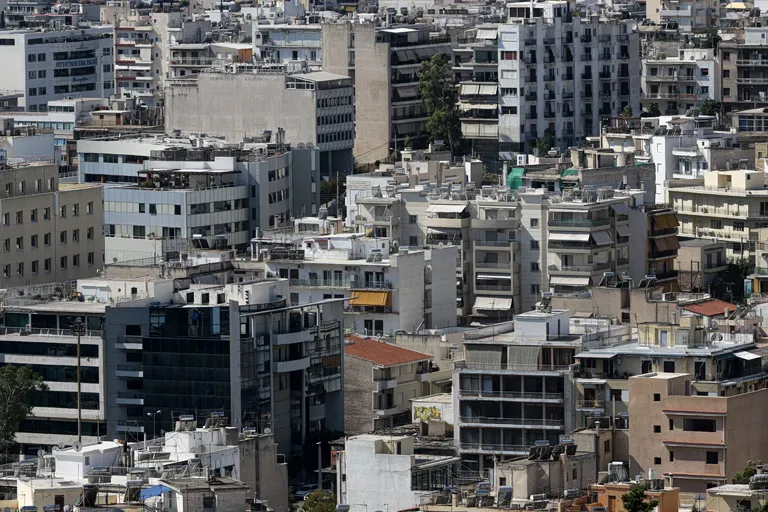
Housing-related expenses represent a massive share of the inflationary pressure currently felt in the Greek economy. ELSTAT figures for October 2026 reveal that out of a total inflation rate of 5.7%, a significant 2.2 percentage points originated solely from housing costs. This means that almost 40% of the total price increase is tied to the cost of living in and maintaining a home.
The annual increase in the housing category reached 15.1%, a notable rise compared to the 14.7% recorded in September. This category is not monolithic; it encompasses a variety of essential expenditures including rents, energy consumption, property maintenance, and general housing services. As these costs climb, the financial burden on households intensifies, regardless of individual income levels.
Breakdown of housing cost components
To understand the specific drivers behind the 15.1% annual increase, it is necessary to examine the individual contributions of energy and rent to the inflation index. The following table details how much each component adds to the overall inflation rate based on the latest ELSTAT data:
| Housing Component | Contribution to Inflation (Percentage Points) |
|---|---|
| Electricity | 0.71 |
| Heating Oil | 0.56 |
| Natural Gas | 0.40 |
| Rents | 0.30 |
While electricity remains the single largest contributor to the housing inflation index, the cumulative effect of energy sources like heating oil and natural gas creates a compounding pressure on tenants and homeowners alike.
Rising rents and government subsidy limitations
Rents have seen a steady upward trajectory, increasing by 6.8% on an annual basis and rising by 1.3% within the month of October alone. In response to these pressures, the Greek government has introduced several financial supports, including an annual rent return of up to €800 for primary residences, with an additional €50 for each dependent child. Furthermore, increased heating allowances and subsidies for heating oil are intended to mitigate the impact of energy costs.
However, economic analysis suggests that these subsidies act as temporary relief rather than a mechanism to curb the underlying rise in rental prices. While the subsidies provide value to eligible recipients, they do not address the structural demand-supply imbalance that drives rent increases. The current policy landscape focuses on helping citizens manage higher costs rather than preventing the costs from rising in the first place.
Comparative housing inflation across Europe
The pressure on housing costs is not an isolated phenomenon in Greece but is mirrored across several European nations. The October data highlights a broader regional trend where housing-related inflation remains a significant concern for various economies. This comparison illustrates that while the scale of the increase varies, the underlying economic pressure is a continental issue.
- Belgium: 14.2% increase in the housing category.
- Cyprus: 10.8% increase in the housing category.
- Slovenia: 8.6% increase in the housing category.
Greece's 15.1% annual increase places it among the higher end of this group, suggesting that local market dynamics or specific energy dependencies may be exacerbating the domestic situation compared to its European neighbors.
Government initiatives to increase housing supply
To address the lack of affordable options, the government has launched specific programs aimed at increasing the volume of available rental properties. One such initiative is the "Renovate–Rent" (Anakainizo–Noikiazō) program, which offers subsidies of up to €8,100. In exchange for this support, property owners are required to commit to renting out the renovated property for a minimum of three years.
In addition to rental incentives, there is a focus on property modernization. On October 29, the "Home Renovation" (Anakainisi Katohikias) action was launched with a budget of €500 million. This program provides grants of up to €36,000 for renovation works and energy efficiency upgrades. The goal is to improve the quality of the housing stock while simultaneously reducing long-term energy costs for occupants.
Regulatory measures and social housing challenges
Beyond direct subsidies, the government has implemented regulatory restrictions on new short-term rentals in specific high-demand areas of Athens and Thessaloniki. This is intended to push more properties back into the long-term rental market to alleviate supply shortages. Despite these efforts, significant challenges remain regarding social housing.
Social housing projects, including those through social barter schemes, have faced delays compared to their original planning schedules. Critics argue that while subsidies support individual beneficiaries, they do not substitute for a robust supply of affordable social housing. The core metric for successful housing policy remains the availability of units and the stability of rent levels. Until social housing becomes a more prominent reality, the government faces the difficult task of introducing interventions that yield measurable results for tenants facing monthly cost increases.