Why is influenza vaccine uptake increasing in Greece?
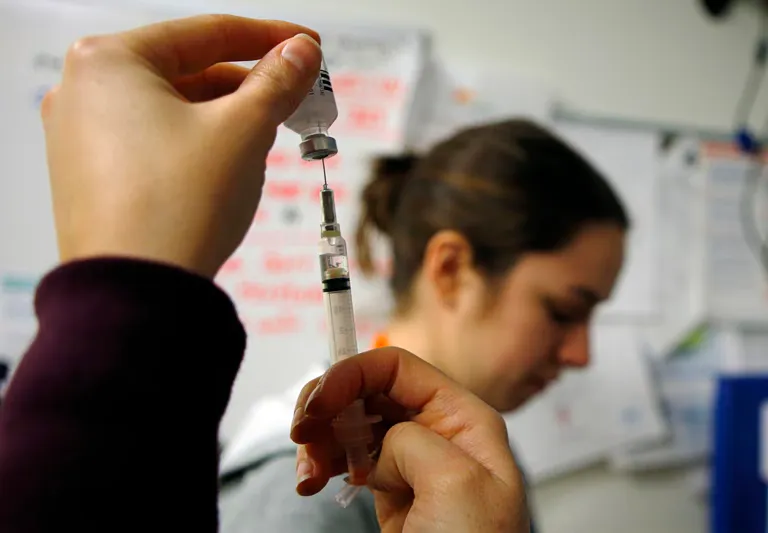
The rise in influenza vaccine uptake is largely attributed to the seasonal drop in temperature, which has prompted more citizens to seek protection. Since the start of the vaccination season on October 2, 2026, around 500,000 doses of the influenza vaccine have been administered across the country. Of these, 350,000 were dispensed directly through pharmacies without the requirement of a medical prescription.
The pharmaceutical infrastructure is well-prepared for this seasonal demand. Manolis Katsarakis, the General Secretary of the Panhellenic Pharmaceutical Association, confirmed that there is an adequate supply of vaccines available. For the current period, a total of 3.64 million doses have been imported into Greece, the majority of which have already been distributed to pharmacies to ensure widespread accessibility.
Pharmacy accessibility and prescription requirements
A key factor driving the high uptake is the ease of access through local pharmacies. More than 90% of all influenza vaccines are currently being administered in these settings. For the conventional influenza vaccine, citizens can use their Social Security Number (AMKA) to receive the shot without needing a doctor's prescription, a service available to both insured and uninsured individuals.
However, there is a distinction regarding specialized doses. The high-dose (enhanced) vaccine, which is specifically intended for certain elderly populations over the age of 65, does require a medical prescription. This distinction ensures that the most potent versions of the vaccine are administered to those who meet the specific clinical criteria for enhanced protection.
What is the current state of influenza activity in the community?
Current influenza activity in the Greek community remains at relatively low levels, staying below the epidemic threshold. According to the latest report from the National Public Health Organization (EODY), positivity rates remain below 10%, which is the critical level that signals the start of seasonal epidemic activity. In fact, recent data shows a slight decline in positivity compared to the previous week.
Despite the low overall positivity, hospitalizations related to the flu are still being recorded. In the most recent reporting period, 39 new hospital admissions for influenza were documented, a decrease from the 52 admissions noted in the preceding week. Additionally, six new severe cases of laboratory-confirmed influenza requiring intensive care unit (ICU) treatment were recorded, though no new deaths were reported during this period.
How do COVID-19 vaccination trends compare to the flu?
In contrast to the rising interest in influenza prevention, interest in the COVID-19 vaccine remains limited among the population. This trend is particularly notable because SARS-CoV-2 positivity is currently showing an upward trajectory. During the week of October 19–25, 2026, Greece recorded 182 new COVID-19 hospitalizations, up from 121 in the previous week, alongside one new intubation and one new death.
Public health experts have expressed concern regarding this divergence in behavior. They note that influenza and SARS-CoV-2 are circulating simultaneously, creating a risk of co-infection. For vulnerable groups, being protected against both viruses is essential to avoid the complications of dual infection. Unlike the flu vaccine, which is widely available in pharmacies, COVID-19 vaccinations must be obtained through dedicated vaccination centers.
Comparing vaccination access and recommendations
The logistics of the two vaccination campaigns differ significantly. While the influenza vaccine is highly accessible via the pharmacy network, the COVID-19 vaccine requires visiting specific centers. Experts recommend the COVID-19 vaccine primarily for individuals aged 60 and over, as well as for people of any age who suffer from underlying medical conditions.
Notably, health authorities have clarified that it is possible to receive both the influenza and the COVID-19 vaccine on the same day. If a patient chooses this route, the vaccines should be administered at different injection sites on the body. This combined approach is encouraged to ensure comprehensive respiratory protection during the winter months.
Who are the priority groups for influenza vaccination?
Medical professionals emphasize that the influenza vaccine is most critical for those at high risk of developing severe illness or complications. While the vaccine does not entirely prevent infection, its primary role is to reduce the severity of the disease and prevent hospitalizations. Vaccination should ideally occur at least two weeks before peak activity, as this is the time required for the body to develop immunological protection.
The following groups are recommended for priority vaccination:
- Individuals aged 60 years and older.
- Infants and children between 6 months and 5 years of age.
- Adults and children with chronic conditions (respiratory, cardiac, diabetes, kidney disease, or immunosuppression).
- Pregnant women (at any stage of pregnancy), postpartum women, and breastfeeding mothers.
- Individuals with obesity related to disease.
- Caregivers and those living with infants under 6 months or individuals with underlying conditions.
- Healthcare workers and staff in health service environments.
- Residents and workers in long-term care facilities, elderly care units, and closed structures.
- Professionals in regular contact with birds or pigs (e.g., veterinarians, poultry or pig farmers).
When is the influenza season expected to peak?
While the exact onset of an epidemic wave cannot be predicted with absolute certainty, historical patterns provide a reliable guide for the Greek population. In Greece, influenza activity typically begins to rise in January and reaches its peak during the months of February and March. Because of this timeline, health officials urge citizens to complete their vaccination before the mid-winter surge to ensure peak immunity is reached by the time the virus is most prevalent.
FAQ: Influenza and COVID-19 Vaccination
Can I get both vaccines at the same time?
Yes, you can receive both the influenza and the COVID-19 vaccine on the same day. However, medical guidelines specify that they must be administered at different injection sites on the body to ensure proper absorption and safety for the patient.
Do I need a prescription for the flu vaccine in Greece?
For the standard influenza vaccine, you do not need a prescription; it can be obtained at pharmacies using your AMKA. However, the enhanced vaccine intended for specific elderly groups (65+) does require a medical prescription from a doctor.
Is the flu vaccine effective if I still get sick?
The influenza vaccine is not designed to completely prevent infection in all cases. Instead, its primary purpose is to prevent severe illness, reduce the risk of medical complications, and decrease the likelihood of requiring hospitalization or intensive care.
Where can I receive the COVID-19 vaccine?
Unlike the influenza vaccine, which is widely available in pharmacies, the COVID-19 vaccine is administered specifically at designated vaccination centers. You cannot currently receive the COVID-19 vaccine through the standard pharmacy network in Greece.
How long does it take for the vaccine to work?
It takes approximately two weeks after vaccination for the body to develop the necessary immunological protection. Because of this delay, experts recommend getting vaccinated well in advance of the expected peak in influenza activity, which usually occurs in February and March.
Key takeaways
- Approximately 500,000 influenza vaccine doses have been administered in Greece since October 2, 2026.
- Standard influenza vaccines are available in pharmacies without a prescription using an AMKA number.
- COVID-19 hospitalizations are rising, yet public interest in the COVID-19 vaccine remains low.
- The influenza peak in Greece is historically expected during February and March.
- Immunological protection from the vaccine typically requires a two-week period to develop.
The landscape of seasonal respiratory health
The current vaccination landscape in Greece reveals a significant disparity in public health engagement. While the proactive uptake of the influenza vaccine demonstrates a successful integration of pharmacy-based care, the lagging interest in COVID-19 immunization poses a continued risk, especially as SARS-CoV-2 cases trend upward. As the country moves toward the traditional peak of respiratory illnesses in February, the focus must remain on protecting high-risk groups through both conventional and enhanced vaccination strategies to mitigate the impact of dual viral circulation.