Why is scientific integration vital for Greek civil protection?
Integrating the Greek scientific community into the state's civil protection framework is essential for moving from reactive disaster management to proactive prevention. Manolis Pleionis highlights that while political rhetoric often centers on 'prevention,' there is a profound lack of concrete, evidence-based programs to achieve this goal. The current approach often treats scientific research, data collection, and disaster response as disconnected silos, which leads to systemic failures in managing climate-related crises.
The vulnerability of the Mediterranean region necessitates a shift toward 'risk governance.' This approach relies on understanding the specific vulnerabilities of every ecosystem and local community. According to Pleionis, the expertise required to map these risks already exists within Greek research teams, some of whom are currently providing services to foreign civil protection agencies. Utilizing this domestic intellectual capital is a matter of national priority to ensure that infrastructure and social planning account for future climate realities rather than outdated environmental conditions.
The gap between research and policy
A significant disconnect exists between the high-quality data produced by institutions like the National Observatory of Athens and the operational decisions made by the government. Pleionis notes that effective prevention requires a multidisciplinary approach where scientists, local authorities, and the state work in unison. Without this synergy, the state remains trapped in a cycle of responding to disasters after they occur, rather than building the resilience needed to withstand them.
How can risk governance transform disaster prevention?
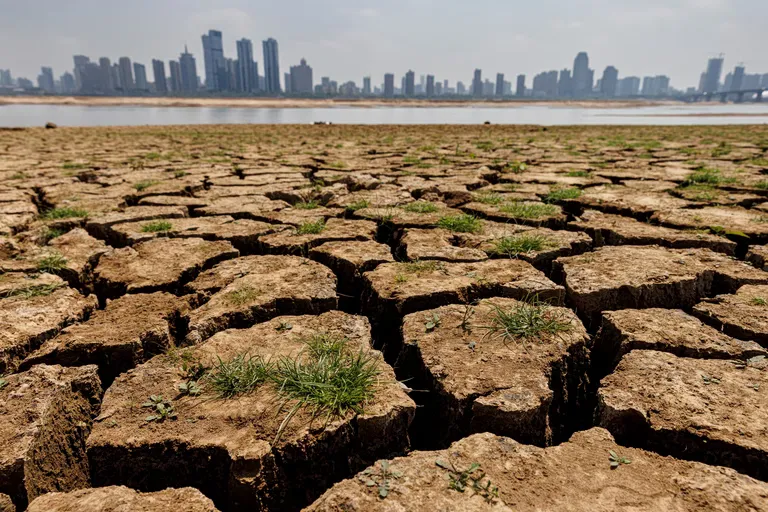
Risk governance involves identifying the specific vulnerabilities of various regions and intervening to increase their resilience before a disaster strikes. Pleionis emphasizes that even if greenhouse gas emissions were halted immediately, the planet would continue to experience the effects of climate change due to the long atmospheric residence time of carbon dioxide. Therefore, Greece must prepare for an inevitable increase in the intensity and frequency of extreme weather events.
This governance model requires a granular level of analysis, extending down to the level of municipal districts. By understanding how topography, local winds, and vegetation interact, authorities can implement targeted measures. For example, in areas prone to high-intensity wildfires, such as the Agios Vasileios municipality in Crete, governance should dictate the permanent presence of firefighting units during summer months and the deployment of advanced technological tools like drones for early detection.
What are the proposed reforms for Greek civil protection?
The proposed restructuring of civil protection involves a holistic overhaul of how the state manages environmental and human risks. Pleionis, through his role in the Greek Left Symparataxia (ELAS), has outlined a plan that connects various sectors, including infrastructure, energy, and agriculture. The goal is to create a unified mechanism that moves away from fragmented ministerial actions toward a coordinated national strategy.
Key components of this reform include:
- Restructuring the Fire Service: Enhancing operational capacity through better equipment and permanent seasonal deployments in high-risk zones.
- Permanent Compensation Mechanisms: Establishing a stable system for disaster victims to ensure they do not have to repeatedly petition for funds following every catastrophe.
- Technological Integration: Utilizing drones and advanced meteorological data to enhance real-time monitoring and response capabilities.
- Inter-ministerial Connectivity: Breaking down the silos between the ministries of Environment, Infrastructure, and Local Government to ensure a unified response.
By addressing these areas, the state can transition from a system of emergency management to one of comprehensive resilience.
What role does data accuracy play in political decision-making?
Accurate meteorological and astronomical data are the foundation of effective disaster response, yet the relationship between science and politics in Greece has historically been fraught with tension. Pleionis points to the 2023 incident where the government attempted to place the National Observatory of Athens and the National Meteorological Service under the Ministry of Civil Protection. This move was met with significant domestic and international backlash, as it was perceived as an attempt to interfere with scientific independence.
The tension often arises when scientific assessments of disaster damage differ from the more 'conservative' estimates provided by government officials. For civil protection to be effective, the state must accept scientific findings—even when they are politically inconvenient—as the basis for resource allocation and emergency planning. Relying on accurate, independent data is the only way to ensure that the scale of a disaster is properly understood and addressed.
Frequently asked questions
Why is Greece considered a climate change hotspot?
Greece is located in a Mediterranean zone that is highly susceptible to the impacts of global warming. This geographic positioning means the country faces a higher intensity and frequency of extreme weather events, such as heatwaves, droughts, and devastating wildfires, compared to many other regions.
What is 'risk governance' in the context of civil protection?
Risk governance is a strategic approach that uses scientific data to identify specific vulnerabilities in different regions. It involves planning infrastructure and community responses based on predicted future climate conditions rather than historical data, ensuring that preventive measures are targeted and effective.
How can the Greek scientific community help the state?
The scientific community can provide the essential data needed to map risks at a local level. By integrating researchers into the civil protection framework, the state can make informed decisions regarding resource deployment, infrastructure reinforcement, and early warning systems for natural disasters.
What are the main obstacles to effective prevention in Greece?
The primary obstacles include a lack of concrete implementation plans, fragmented communication between different government ministries, and a tendency to treat scientific research and disaster response as separate issues rather than an integrated system.
Why is the independence of scientific institutions important?
Scientific independence ensures that data regarding natural disasters and climate trends remain objective and accurate. If political entities attempt to control scientific bodies, the resulting data may be skewed to favor political narratives, undermining the effectiveness of national safety and prevention strategies.
Key takeaways
- Greece must adopt a risk governance model to address the high frequency of climate-driven disasters.
- Scientific expertise should be integrated into civil protection to move from reactive to proactive management.
- Effective prevention requires granular, district-level data to identify specific local vulnerabilities.
- Inter-ministerial cooperation is essential to bridge the gap between research and operational response.
Conclusion
The escalating climate crisis demands a fundamental shift in how Greece approaches civil protection. Moving beyond political rhetoric requires the implementation of science-based strategies that prioritize long-term resilience over short-term crisis management. By leveraging the existing expertise of the Greek scientific community and fostering genuine inter-ministerial cooperation, the state can develop a robust framework for risk governance. Ultimately, protecting the nation's ecosystems, infrastructure, and citizens depends on the ability to integrate scientific truth into the heart of political and operational decision-making.