Why did Kimberly Guilfoyle resign from her post in Athens?
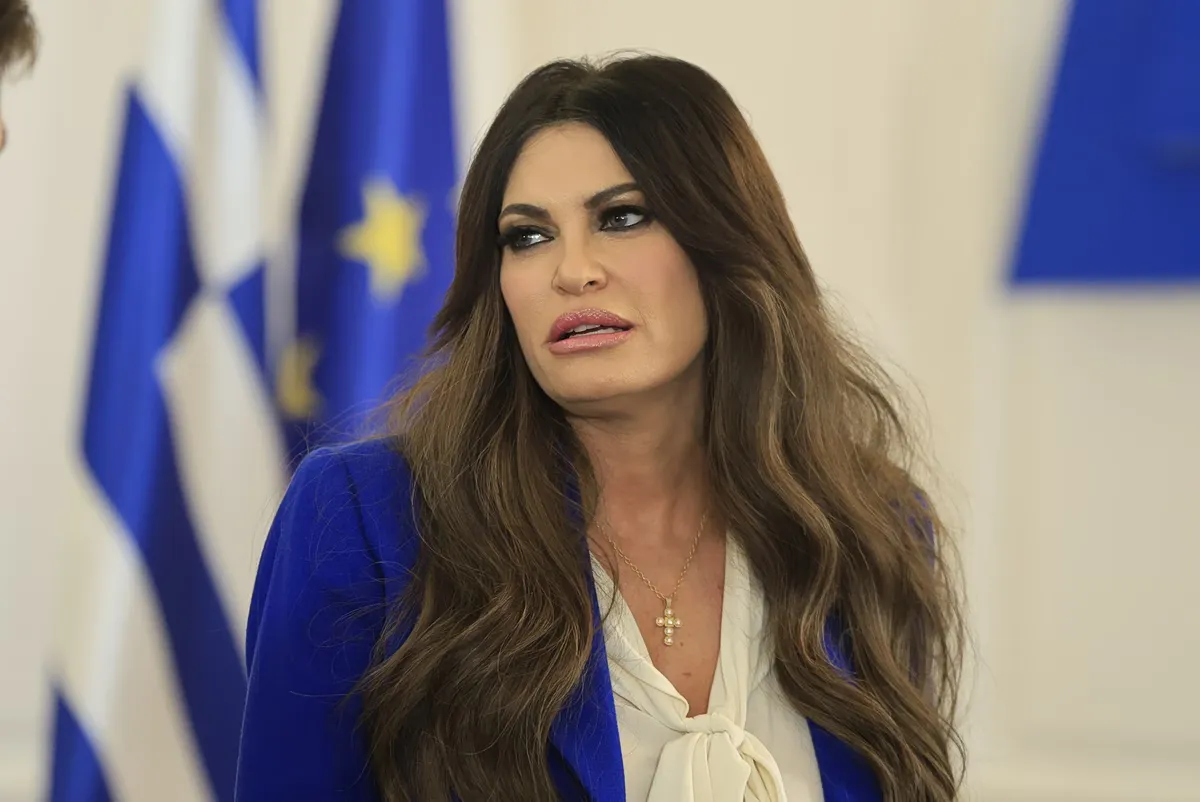
Kimberly Guilfoyle resigned following intense scrutiny regarding allegations of misconduct both before and during her tenure in Greece. The controversy gained significant momentum following reports from the Wall Street Journal, which detailed allegations of improper behavior. A central point of contention involved a reported request for $100,000 from a donor to the US President approximately one year ago, shortly before her appointment was confirmed.
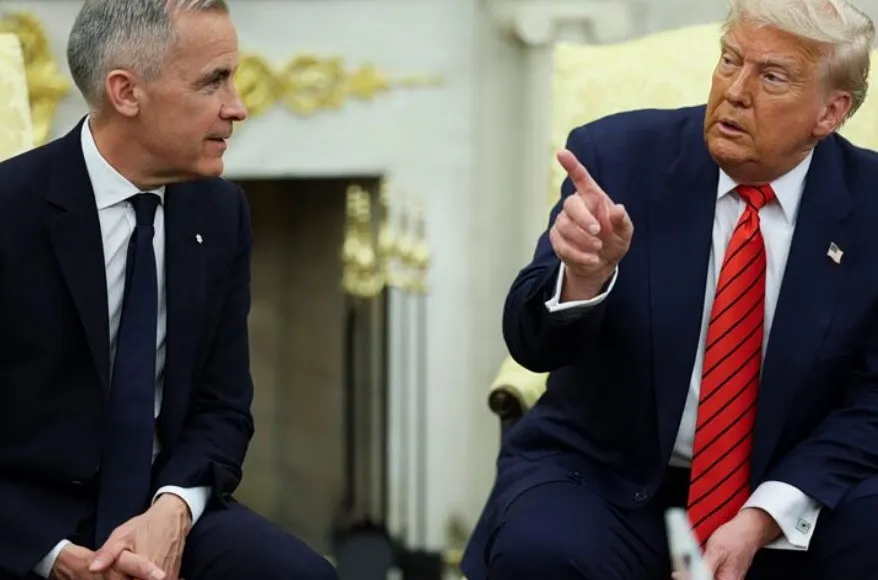
The political pressure mounted as the Democratic Party utilized the allegations to call for her immediate removal. While CNN reports suggest that Guilfoyle did not initially intend to step down, President Trump reportedly ordered her departure, stating he did not appreciate the nature of the reports. Guilfoyle announced her resignation via her personal X account, stating, "No comment."
The role of the State Department in the controversy
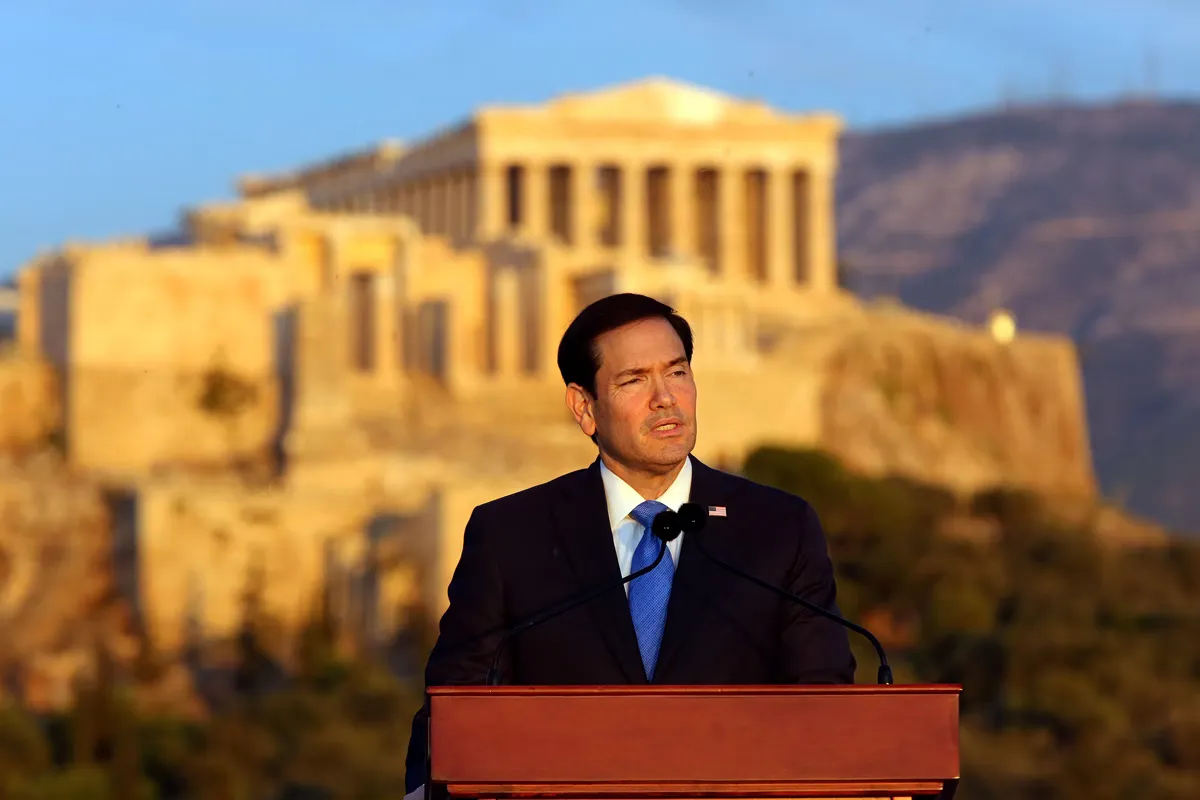
Initially, the US administration appeared to defend the Ambassador. During a press conference in Athens with Greek counterpart Giorgos Gerapetritis, Secretary of State Marco Rubio declined to address the specific allegations, stating that the press conference was not the appropriate forum. Rubio emphasized that the embassy was performing "excellent work" and that the Ambassador had played a significant role. However, this stance shifted rapidly as the internal pressure within the State Department grew, eventually leading to the President's direct intervention.
How will the US Embassy in Greece be managed moving forward?
Josh Haq, a career diplomat who currently serves as the Chargé d'Affaires, is expected to lead the embassy until a permanent successor is appointed. Haq is highly regarded within the diplomatic corps, providing a sense of continuity during this transition. This interim arrangement is necessary because the US Congress is currently in a limited session and is not expected to convene with its new composition following the midterm elections in the immediate future.
The timeline for appointing a new permanent ambassador remains uncertain. The process requires the convening of relevant congressional committees and formal confirmation hearings, which are unlikely to occur in the coming days. Consequently, the embassy will operate under career diplomatic leadership for an extended period, ensuring that day-to-day operations continue despite the leadership vacuum at the top.
What is the impact of this change on US-Greece relations?
The transition in leadership is expected to have minimal impact on the strategic direction of US-Greece relations, as core policies are formulated by the State Department rather than individual ambassadors. Major projects and bilateral agreements that were negotiated and launched prior to Guilfoyle's departure are expected to proceed as planned. Diplomatic sources suggest that the foundational work of the relationship was already well-established before her arrival in Athens.
However, the nature of the successor remains a critical question for the Greek government and the international community. There is a distinction between a "political appointee" and a "career diplomat." While Guilfoyle was a personality-driven appointment, a career diplomat would offer a different style of engagement, potentially focusing more on traditional diplomatic functions rather than the high-profile, social-centric approach observed during Guilfoyle's tenure.
Career diplomats vs. political appointees
The choice of the next ambassador will signal how much weight the US administration places on its representation in Greece during this sensitive geopolitical period. A career diplomat typically offers stability, as their tenure is less susceptible to the shifts caused by presidential elections. In contrast, political appointees, like Guilfoyle, often see their terms interrupted by changes in the White House administration. For Greece, the preference may lean toward professionals who prioritize deep diplomatic engagement over high-profile social presence.
What does the future hold for US diplomatic appointments in the region?
The next appointment will serve as a litmus test for the Trump administration's approach to sensitive geopolitical regions. While the State Department maintains that individual personalities do not alter the fundamental line of policy, the choice of a successor will demonstrate the level of seriousness the US attaches to its bilateral relationship with Greece. The Greek government faces the task of deciding whether to welcome a business-oriented representative or to advocate for a more traditional diplomatic figure.
As the geopolitical landscape becomes increasingly complex, the stability of the US mission in Athens is paramount. The current interim leadership under Josh Haq provides a buffer, but the eventual permanent replacement will define the tone of US-Greece cooperation for the coming years. The focus remains on whether the US will prioritize continuity through career professionals or continue the trend of appointing high-profile figures to key diplomatic posts.
FAQ: Kimberly Guilfoyle resignation
Why did Kimberly Guilfoyle leave her position?
Kimberly Guilfoyle resigned following orders from President Donald Trump. Her departure was triggered by allegations of improper and potentially illegal conduct, including reports of a $100,000 request from a donor, which led to significant political pressure and scrutiny from both the media and the Democratic Party.
Who is taking over the US Embassy in Athens?
Josh Haq, a highly respected career diplomat currently serving as the Chargé d'Affaires, is expected to manage the embassy's operations. He will lead the mission on an interim basis until the US Congress can convene and complete the necessary confirmation processes for a permanent successor.
Will this change affect US-Greece bilateral agreements?
No, the change is not expected to disrupt major bilateral projects or agreements. Most significant strategic negotiations and agreements were completed or initiated prior to Guilfoyle's tenure. The core policy direction is managed by the State Department, which remains consistent regardless of the individual ambassador in place.
What is the difference between a career diplomat and a political appointee?
A career diplomat is a professional trained in the foreign service whose tenure is generally more stable and less affected by US presidential elections. A political appointee, like Guilfoyle, is chosen based on personal or political connections and often serves for a shorter, more volatile term.
When will a new permanent ambassador be appointed?
A permanent successor is unlikely to be appointed immediately. The process requires congressional committee meetings and formal hearings, which are delayed due to the current legislative schedule and the upcoming composition of Congress following the midterm elections.
Key takeaways
- Kimberly Guilfoyle resigned as US Ambassador to Greece following a direct order from President Trump.
- The resignation follows allegations of misconduct and a reported $100,000 request from a donor.
- Career diplomat Josh Haq will lead the US Embassy in Athens in an interim capacity.
- Major US-Greece strategic projects and agreements are expected to continue without disruption.
Conclusion
The sudden departure of Kimberly Guilfoyle introduces a period of transition for the US mission in Athens. While the strategic framework of US-Greece relations remains anchored in State Department policy, the method of representation is under scrutiny. The shift from a high-profile political appointee to interim career leadership highlights the tension between political appointments and professional diplomacy. As the US prepares for its next permanent appointment, the decision will reflect the administration's priorities in a critical geopolitical region, balancing the need for stability with the evolving nature of American foreign representation.