Why is El Salvador implementing an emergency food security plan?
The Salvadoran Parliament approved the emergency plan to protect the nation's food supply and agricultural stability against the intensifying effects of El Niño. As the climate phenomenon threatens to extend periods of severe drought, the government is moving to secure essential resources. The primary objective is to shield the agricultural and agro-industrial sectors from catastrophic losses while ensuring that the most vulnerable populations have access to nutrition.
The legislative package, dominated by the ruling party of President Nayib Bukele, focuses on two main pillars: the creation of strategic food reserves and the implementation of targeted assistance programs for families at high risk of malnutrition. By stockpiling essential goods now, the administration hopes to buffer the economy against sudden price spikes and supply shortages that typically accompany extreme weather events.
Political objectives and legislative focus
Christian Guevara, a lawmaker aligned with President Bukele's administration, stated that the goal is to prevent damage to the agriculture and agro-industrial sectors, emphasizing food security as the top priority. The plan represents a proactive attempt by the ruling majority to stabilize the domestic economy before the peak of the climate crisis hits. However, the effectiveness of these measures remains a point of intense political debate within the Salvadoran assembly.
How does the current El Niño event threaten food security?
The current El Niño cycle is projected to be one of the most powerful observed in recent decades, significantly amplifying the existing pressures of human-induced climate change. This intensification means that the traditional weather patterns are being pushed to extremes, making predictable agricultural cycles increasingly difficult to maintain. Meteorologists expect the phenomenon to reach its peak intensity between October and December 2026.
El Niño is a natural phenomenon that occurs every two to seven years, characterized by an increase in sea surface temperatures in the central and eastern Pacific Ocean at the equatorial level. This warming triggers a global chain reaction, altering wind patterns, atmospheric pressure, and rainfall distribution. While some regions experience uncharacteristic cooling and increased moisture, others—particularly in Latin America—face extreme heat and prolonged dry spells.
The scale of the threat is not limited to El Salvador. Lena Savelli, the WFP regional director, warned that the disruption to food systems could impact 16 million people across the Latin American continent. This widespread instability poses a significant risk to regional migration patterns, economic stability, and public health, as food scarcity often leads to social unrest and increased poverty rates.
What are the agricultural impacts in El Salvador?
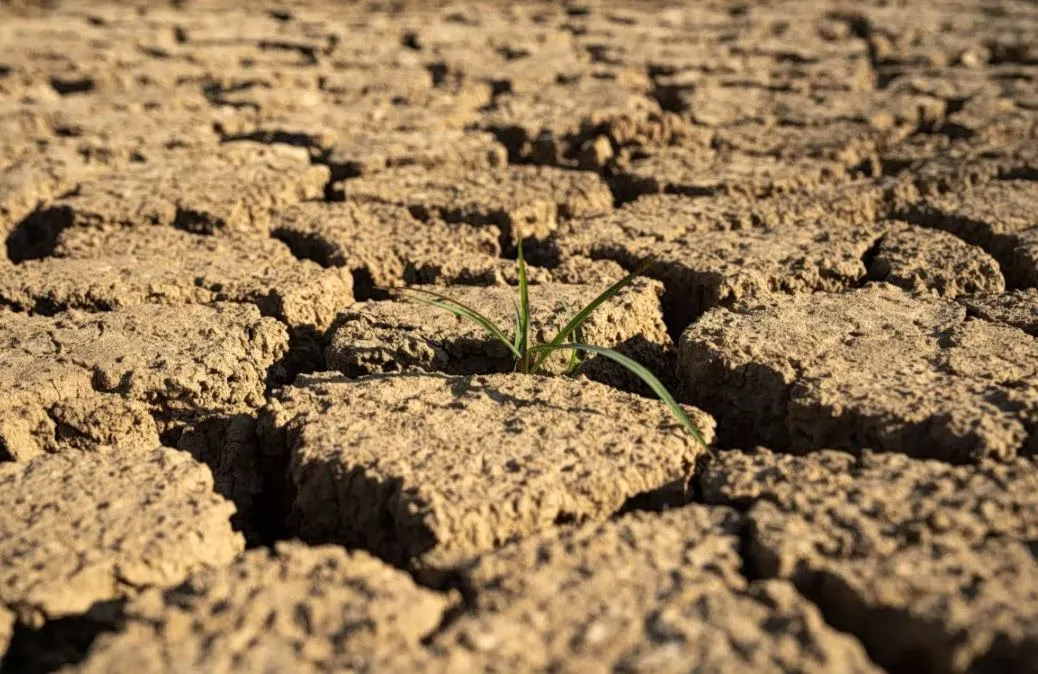
Agricultural production in El Salvador is already showing signs of significant distress due to the ongoing water crisis. The nation's vulnerability is heightened by its geographic position within the "Central American Dry Corridor," a strip of land particularly susceptible to extreme climatic shifts. This region is characterized by its reliance on seasonal rains, which are becoming increasingly unreliable.
The impact on local farmers is already quantifiable. According to Luis Tremonio, a representative of the Salvadoran federation of small and medium-sized agricultural producers, the first major grain harvest of the year—which took place between May and July—has already suffered losses of approximately 20% due to the drought crisis. This loss of yield directly affects both the availability of food in local markets and the income of rural producers.
Why is the government facing criticism over its response?
Despite the approval of the emergency plan, the Salvadoran opposition and agricultural leaders have criticized the government for a delayed reaction to the looming crisis. Critics argue that the administration failed to implement necessary preventative measures during the early stages of the drought, leaving the agricultural sector to absorb the initial shocks of the El Niño cycle.
Claudia Ortiz, a centrist lawmaker, characterized the government's actions as a "delayed response." She argued that both the administration and the Ministry of Agriculture failed to take appropriate, timely measures when the risks were first identified. This sentiment is echoed by the agricultural sector, where the delay in policy implementation has had tangible economic consequences.
Luis Tremonio, representing small and medium producers, noted that the emergency plan was drafted with a five-month delay. This lag between the onset of the weather patterns and the legislative response has meant that many farmers were already facing crop failures before the government's support mechanisms were even established. This gap highlights the difficulty of aligning political processes with the rapid onset of climatic emergencies.
Frequently asked questions
What is the primary cause of the food security risk in El Salvador?
The risk is primarily driven by a powerful El Niño event that is exacerbating drought conditions. This phenomenon, intensified by human-induced climate change, disrupts rainfall patterns and leads to water shortages, which directly threatens the stability of the agricultural sector and the availability of food for the population.
How many people are affected by El Niño in Latin America?
According to the World Food Programme's regional director Lena Savelli, the El Niño phenomenon is expected to cause food shortages that could affect approximately 16 million people across the Latin American region, highlighting the massive scale of the potential humanitarian crisis.
What does the Central American Dry Corridor mean for the region?
The Central American Dry Corridor is a specific geographic area that is exceptionally vulnerable to extreme weather. Because it relies heavily on predictable rainfall for agriculture, the droughts caused by El Niño can lead to rapid crop failures and widespread food insecurity in this zone.
When is the El Niño phenomenon expected to peak?
Meteorological forecasts indicate that the current El Niño cycle is expected to reach its peak intensity between the months of October and December 2026. This period is critical for the implementation of emergency food reserves and agricultural support measures.
What specific measures does the emergency plan include?
The plan approved by the Salvadoran Parliament focuses on creating strategic food reserves to ensure availability and providing direct assistance to the most vulnerable families. The goal is to protect both the national food supply and the economic viability of the agro-industrial sector.
Key takeaways
- The El Niño event in 2026 is expected to be one of the strongest in recent decades.
- El Niño threatens the food security of 16 million people across Latin America.
- El Salvador's grain harvests saw a 20% loss between May and July 2026.
- The emergency plan focuses on food reserves and aid for vulnerable families.
- The peak of the El Niño impact is projected for October to December 2026.
Conclusion
The approval of the emergency food security plan in El Salvador marks a critical attempt to mitigate the devastating impacts of a powerful El Niño cycle. While the government aims to protect its agricultural foundations and vulnerable citizens, the significant delays noted by the opposition and agricultural producers suggest that the window for preventative action may have already partially closed. As the phenomenon reaches its peak later this year, the ability of the state to manage food reserves and support the 20% loss in grain yields will be a decisive factor in maintaining regional stability and preventing a wider humanitarian crisis in the Central American Dry Corridor.
| Impact Area | Observed/Projected Effect |
|---|---|
| Grain Harvest (May-July) | Approximately 20% loss due to drought |
| Regional Reach | 16 million people in Latin America at risk |
| Peak Intensity Period | October to December 2026 |
| Geographic Risk Zone | Central American Dry Corridor |