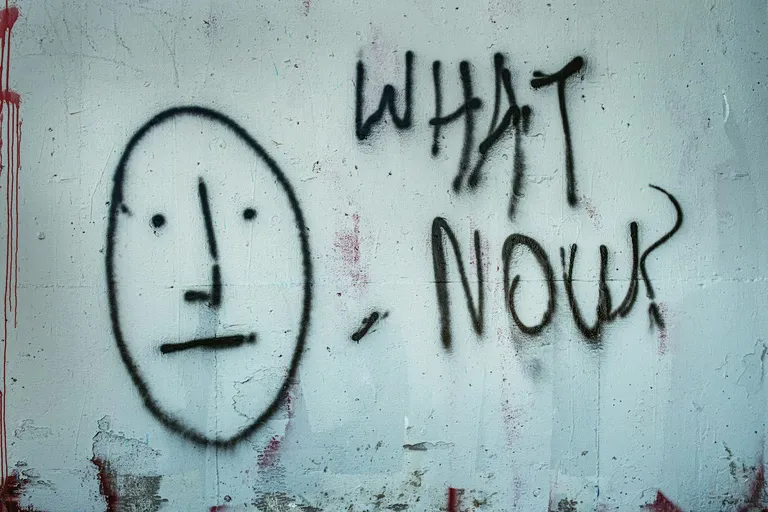
How does stress affect your physical health?
Stress manifests through a variety of physical symptoms that signal the body is in a state of constant high alert. When the brain remains in a perpetual state of vigilance, it fails to enter the necessary restorative phases required for recovery. This persistent tension often leads to observable health complications that can impact quality of life.
Common physiological symptoms of chronic tension
The most frequent indicators that stress has reached a problematic level include recurring headaches and significant sleep disorders, such as insomnia. Furthermore, many individuals report digestive discomfort and gastrointestinal issues as a direct consequence of prolonged psychological pressure. These symptoms serve as biological warning signs that the body's stress response system is overactive and requires intervention to prevent more serious long-term health problems.
Why is taking short breaks essential for mental recovery?
Taking a break from primary stressors is one of the most immediate ways to decompress when feeling overwhelmed. Experts suggest that when the brain is stuck in a loop of constant activity or worry, it loses the ability to calm down effectively. Breaking the cycle of tension requires a physical or mental shift to signal to the nervous system that the immediate threat has passed.
Simple movements can be highly effective in disrupting the stress cycle. This might include:
- Standing up from a desk to move around for a few minutes.
- Taking a short walk to change the visual environment.
- Engaging in light physical exercises to release muscle tension.
- Reducing screen time to prevent sensory overload.
Even a momentary departure from a high-pressure task can provide the cognitive space needed to approach problems with more clarity and less emotional volatility.
How can mindfulness and single-tasking reduce pressure?
Engaging in multitasking—the attempt to handle multiple complex activities simultaneously—often increases feelings of being scattered and pressured. Instead of spreading cognitive resources thin, mental health professionals recommend focusing on one specific task at a time to improve efficiency and reduce anxiety.
Mindfulness is a core component of this approach, encouraging individuals to remain anchored in the present moment. By practicing presence, you can prevent the mind from racing toward future worries or dwelling on past mistakes. Practical applications of mindfulness in daily life include:
- Walking without headphones to focus on ambient sounds and visual surroundings.
- Eating meals without the distraction of mobile phone videos or digital content.
- Focusing entirely on the sensory experience of a single activity.
By narrowing the scope of attention, the brain experiences less cognitive load, which directly lowers the physiological indicators of stress.
What role does perspective play in coping with difficult periods?
A shift in perspective is a powerful psychological tool for managing periods of intense pressure. When under stress, it is common to fall into a cognitive trap where it feels as though difficult circumstances will never change. Experts suggest actively challenging these thoughts by seeking a more balanced view of reality.
Instead of focusing exclusively on what has been lost or what is going wrong, try to reframe the experience. Ask yourself what can be learned from a challenging situation or what potential opportunities might arise from it. Recognizing that difficult phases are temporary can help prevent the feeling of hopelessness that often accompanies chronic stress. This cognitive reframing does not ignore the difficulty but integrates it into a larger, more manageable narrative of growth and resilience.
How can scheduled joy and gratitude improve emotional resilience?
Proactively planning enjoyable activities and practicing gratitude are two evidence-based methods for counteracting the negative effects of stress. When tension dominates a person's life, even previously enjoyed hobbies may lose their appeal, making intentional scheduling necessary.
The impact of intentional joy and gratitude practices
Scheduling moments of pleasure ensures that positive experiences are not sidelined by work or obligations. These do not need to be grand gestures; they can be simple, consistent actions such as:
- Organizing a social outing with friends.
- Having a dedicated evening for board games or hobbies.
- Making a brief phone call to a loved one for emotional connection.
Complementing these activities with gratitude can further distance the mind from negative thought patterns. Experts recommend documenting five things you are grateful for each night or taking a few seconds to acknowledge the people who provide support. This practice shifts the brain's focus from perceived threats to existing resources and positive aspects of life, creating a more stable emotional foundation.
FAQ: Managing Stress
What are the most common physical signs of stress?
The most frequent physical signs include persistent headaches, sleep disturbances such as insomnia, and digestive issues. These symptoms occur because the body remains in a heightened state of alertness, preventing the nervous system from returning to a resting state and causing various physiological disruptions.
Can multitasking actually increase my stress levels?
Yes, multitasking can significantly increase stress by making you feel more pressured and cognitively scattered. Focusing on one task at a time allows for better concentration and reduces the mental load, which helps in maintaining a sense of calm and control over your workload.
How does mindfulness help with anxiety?
Mindfulness helps by training the brain to focus on the present moment rather than worrying about the past or future. This practice reduces the cognitive cycle of tension and allows you to observe your thoughts without becoming overwhelmed by them, promoting mental clarity.
Is it necessary to make big lifestyle changes to reduce stress?
No, significant changes are not always required to see improvements. Experts emphasize that implementing small, consistent strategies—such as taking short breaks, practicing gratitude, or scheduling brief moments of joy—can be highly effective in managing daily pressure and improving overall wellbeing.
Why is gratitude considered a stress-relief technique?
Gratitude works by shifting your mental focus away from negative stressors and toward positive aspects of your life. By intentionally recognizing things you are thankful for, you disrupt negative thought loops and build emotional resilience, which makes it easier to handle future challenges.
Key takeaways
- Chronic stress often manifests as physical ailments like headaches, insomnia, and digestive issues.
- Taking short, frequent breaks can disrupt the cycle of mental tension and promote recovery.
- Focusing on single tasks instead of multitasking reduces cognitive load and anxiety.
- Mindfulness and gratitude practices help reframe perspective and build emotional resilience.
- Scheduling intentional moments of joy is essential when stress begins to diminish pleasure.
Conclusion
While stress is an unavoidable aspect of the modern human experience, it does not have to dictate your long-term health. The transition from feeling overwhelmed to feeling in control often lies in the implementation of small, manageable habits rather than radical life overhauls. By integrating mindfulness, intentional breaks, and gratitude into your daily routine, you can mitigate the physical and psychological impact of tension. Ultimately, consistent application of these expert-recommended strategies fosters the resilience needed to navigate life's inevitable pressures with greater ease and stability.